Introduction to Chinchilla Eye & Vision
Chinchillas, with their soft fur and playful personalities, are delightful pets, but their eye health and vision are critical aspects of their overall well-being that often go overlooked. As small, crepuscular rodents native to the Andes Mountains, chinchillas have evolved with unique visual adaptations to survive in their natural environment. Understanding how their eyes work and how to care for them can help you keep your chinchilla healthy and happy. This article explores the anatomy of a chinchilla’s eyes, their vision capabilities, common eye issues, and practical tips for maintaining their eye health.
Anatomy of a Chinchilla’s Eye
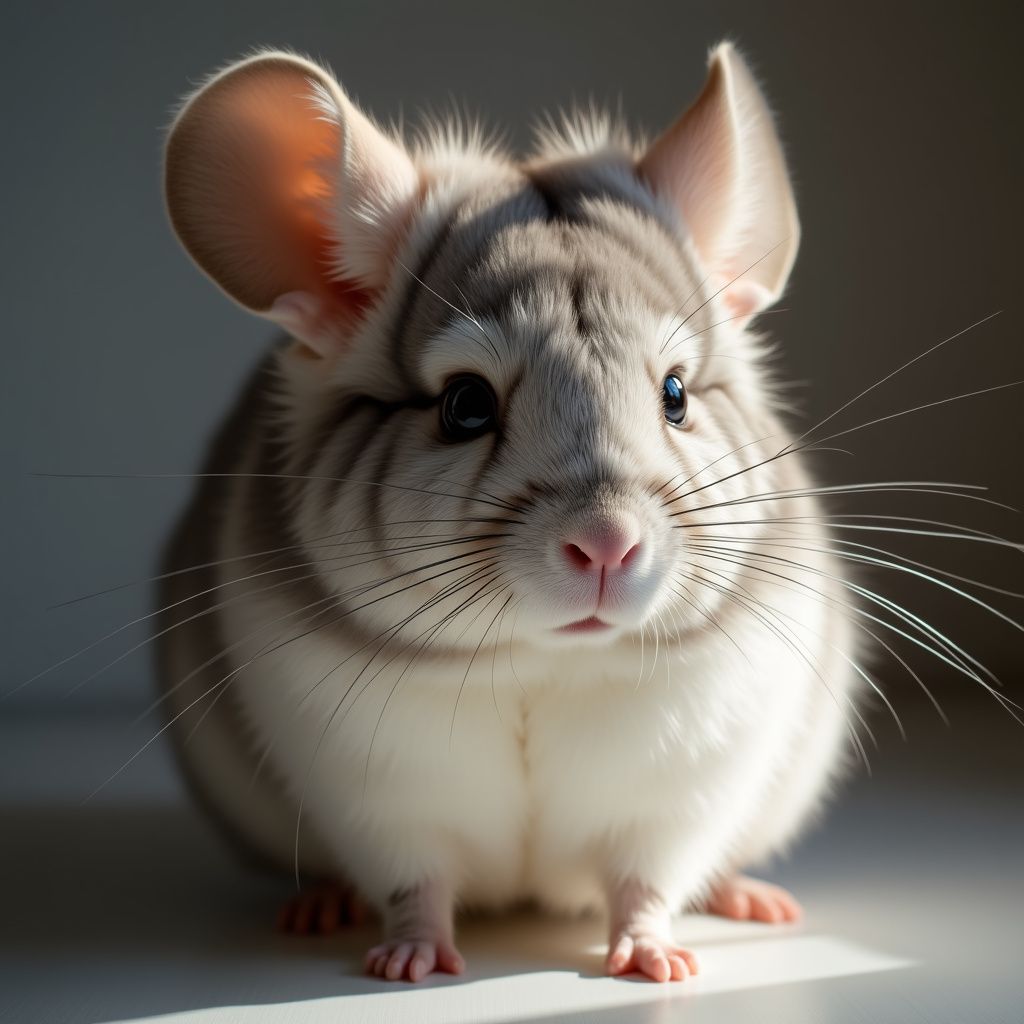
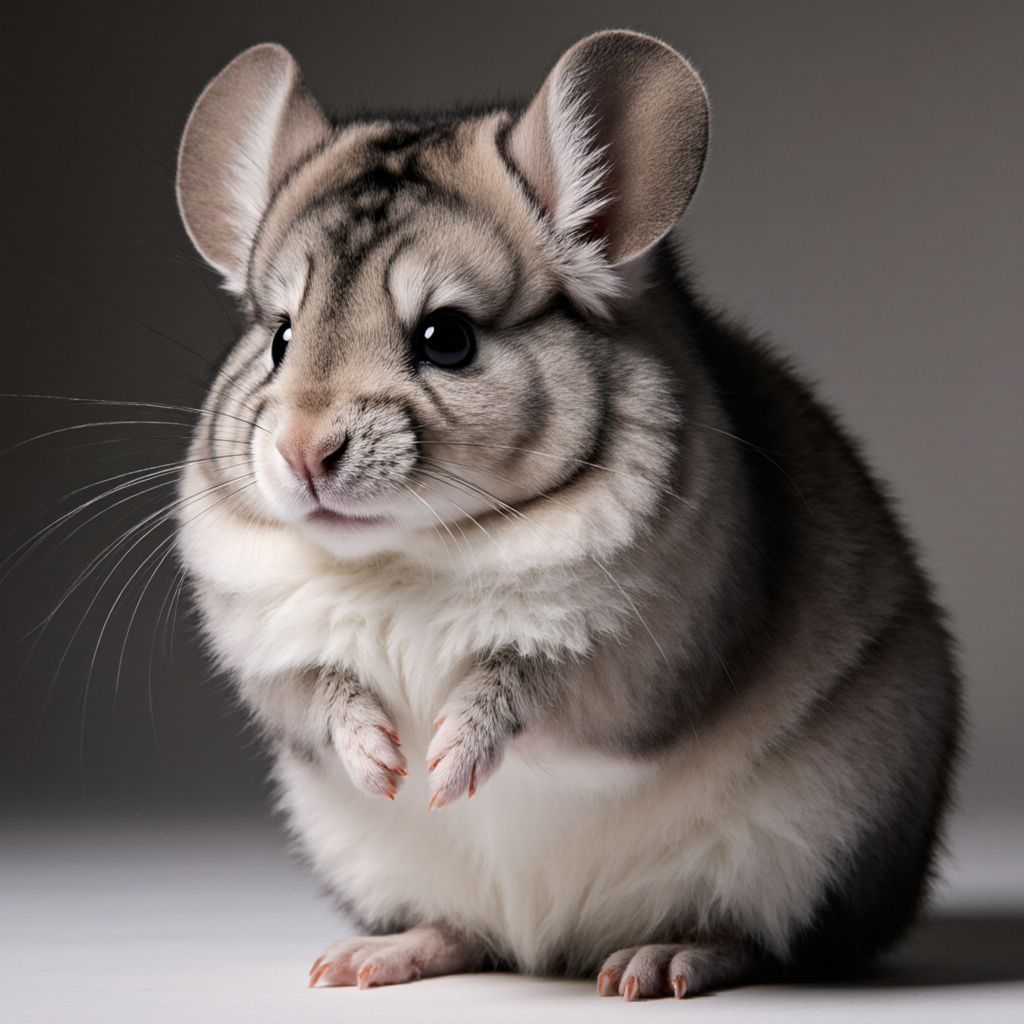
Chinchillas have large, round eyes that are positioned on the sides of their heads, giving them a wide field of view to detect predators in the wild. Their eyes are adapted for low-light conditions since they are most active during dawn and dusk. Unlike humans, chinchillas have a higher proportion of rod cells in their retinas, which are specialized for night vision, but fewer cone cells, meaning they don’t see colors as vividly. Studies suggest chinchillas may perceive some colors, likely in the blue-green spectrum, but their vision prioritizes motion and contrast over detailed color.
Their eyes are also equipped with a nictitating membrane, often called a “third eyelid,” which helps protect the eye and keep it moist. Chinchillas lack a strong ability to focus on close objects, as their vision is geared toward scanning for distant threats. Additionally, their tear production is minimal compared to other animals, making them prone to dryness if exposed to dusty or dry environments—a key consideration for pet owners.
Common Eye Problems in Chinchillas
Chinchillas can develop several eye-related issues, often due to environmental factors or poor care. One of the most common problems is conjunctivitis, an inflammation of the eye’s outer membrane, often caused by dust, hay particles, or bacterial infections. Symptoms include redness, discharge, or squinting. Another concern is corneal ulcers, which can result from scratches or irritation and may lead to pain or cloudiness in the eye. Cataracts, though less common, can occur in older chinchillas, leading to a cloudy lens and impaired vision.
Eye infections can escalate quickly, so it’s vital to act fast if you notice anything unusual. Chinchillas are also sensitive to bright light, and prolonged exposure can cause discomfort or stress. Since they can’t communicate pain easily, owners must be vigilant for subtle signs like excessive blinking, pawing at the eyes, or reduced activity.
Tips for Maintaining Eye Health
Fortunately, there are simple steps you can take to protect your chinchilla’s eyes and vision:
- Keep Their Environment Clean: Dust is a major irritant for chinchilla eyes. Use dust-free bedding and ensure their cage is well-ventilated. When offering dust baths (essential for their fur), use a high-quality, fine chinchilla dust and limit bath time to 10-15 minutes to minimize eye exposure.
- Monitor Lighting: Avoid placing their cage in direct sunlight or under harsh artificial lights. Provide a dimly lit, quiet space for them to feel secure, mimicking their natural crepuscular lifestyle.
- Check for Irritants: Hay and bedding can sometimes harbor sharp particles. Inspect these materials regularly and opt for softer, processed hay if your chinchilla shows signs of eye irritation.
- Watch for Symptoms: Regularly observe your chinchilla for signs of eye distress. If you notice discharge, cloudiness, or behavioral changes, consult a vet experienced with exotic pets immediately. Early intervention can prevent minor issues from becoming serious.
- Annual Vet Checkups: Schedule routine veterinary exams to catch potential eye problems early. A vet can also advise on proper diet, as nutritional deficiencies (like a lack of vitamin A) can indirectly affect eye health.
When to Seek Veterinary Care
If your chinchilla’s eyes appear swollen, have persistent discharge, or if they’re squinting for more than a day, don’t delay in seeking professional help. Eye issues can deteriorate rapidly, and chinchillas are adept at hiding pain. A vet may prescribe antibiotic drops for infections or recommend environmental changes to prevent recurrence. Remember, never use human eye drops or medications without veterinary guidance, as they can harm your pet.
Conclusion
Your chinchilla’s eyes are a window into their health and happiness. By understanding their unique vision needs and taking proactive steps to maintain a safe, clean environment, you can help prevent common eye problems and ensure they live a comfortable life. Stay observant, provide gentle care, and don’t hesitate to reach out to a vet if something seems off. With a little attention, you’ll keep those adorable, curious eyes bright and healthy for years to come!