What is Thermoregulation in Chinchillas?
Thermoregulation is the process by which chinchillas maintain their body temperature within a healthy range, despite changes in their environment. Chinchillas, native to the cool, dry Andes Mountains of South America, are adapted to temperatures between 50°F and 70°F (10°C to 21°C). Their dense fur, which can have up to 60 hairs per follicle, provides excellent insulation against cold but makes them highly susceptible to overheating. As a chinchilla owner, understanding how your pet regulates its temperature is crucial to keeping them comfortable and healthy.
Chinchillas lack sweat glands, so they cannot cool down by sweating like humans do. Instead, they rely on behavioral adaptations, such as seeking shade or cooler areas, and physical traits like their fur to manage heat. If their environment becomes too hot or too cold, they can experience stress, illness, or even life-threatening conditions like heatstroke. Let’s explore how thermoregulation works in chinchillas and how you can support their needs.
Why Thermoregulation Matters for Chinchillas
Chinchillas are highly sensitive to temperature extremes. Temperatures above 75°F (24°C) can lead to heat stress, while prolonged exposure to temperatures below 50°F (10°C) without proper shelter can cause hypothermia. Heatstroke is particularly dangerous and can occur rapidly if a chinchilla is exposed to high temperatures or humidity. Symptoms include lethargy, rapid breathing, and collapse, and it can be fatal if not addressed immediately.
On the other hand, chinchillas are built for cooler climates, so they often thrive in lower temperatures as long as they have a dry, draft-free environment. Their fur acts as a natural insulator, trapping warmth close to their body. However, maintaining the right balance in a home setting can be challenging, especially in warmer climates or during seasonal changes. As a responsible owner, you play a key role in helping your chinchilla stay safe and comfortable.
How Chinchillas Regulate Their Temperature
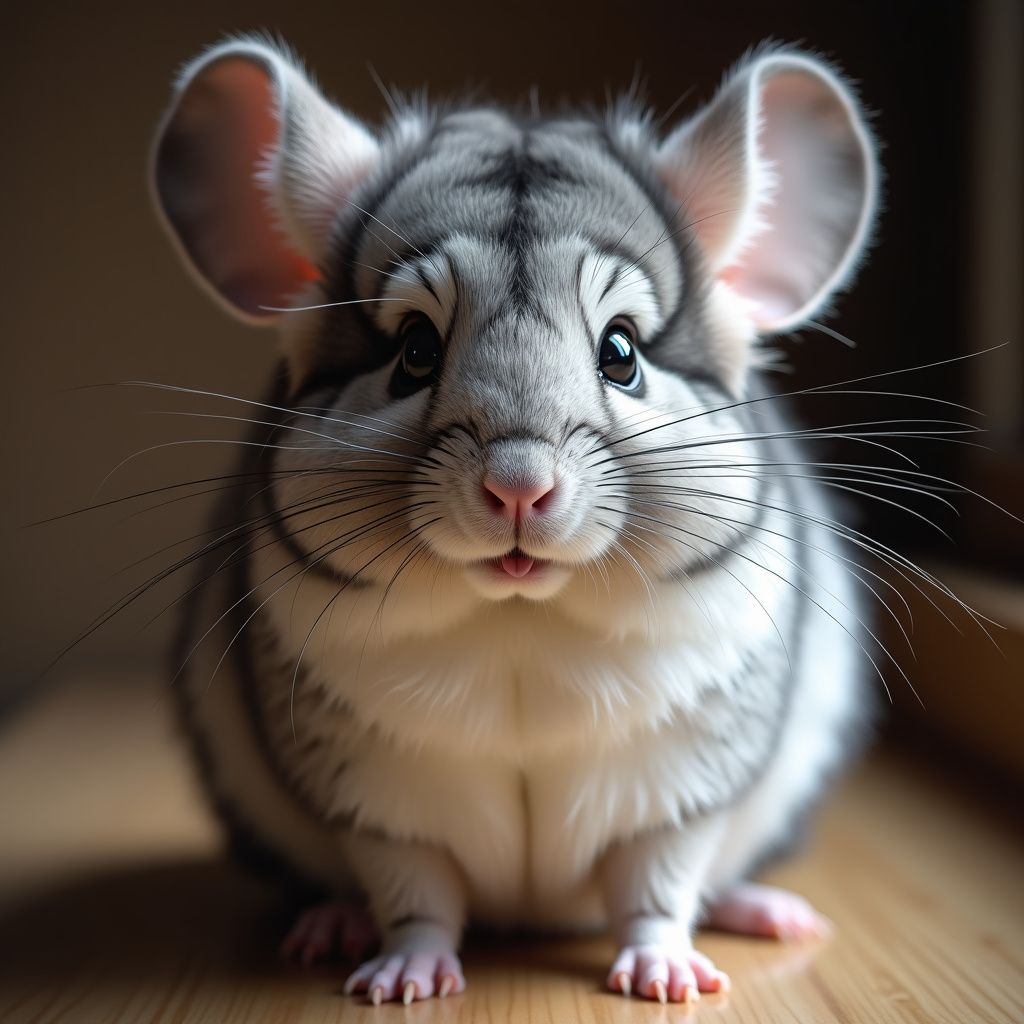
Chinchillas use several natural mechanisms to manage their body temperature. In cold conditions, they fluff up their fur to trap more air, creating an insulating layer. They may also curl up to minimize heat loss or seek out cozy spots in their cage. In warmer conditions, they try to cool off by stretching out to release heat or moving to a cooler area. Their large ears also help dissipate heat, acting as a radiator of sorts.
However, their ability to cool down is limited. Without sweat glands, they can’t effectively release heat through their skin, and panting is not a primary cooling method for them. This makes it critical for owners to monitor their environment and intervene when necessary to prevent overheating or chilling.
Practical Tips for Supporting Thermoregulation
Here are some actionable steps you can take to help your chinchilla maintain a healthy body temperature:
- Keep the Cage in the Right Spot: Place your chinchilla’s cage in a cool, well-ventilated area away from direct sunlight, heaters, or air conditioning vents. Aim for a room temperature of 60°F to 70°F (16°C to 21°C).
- Provide Cooling Options: During hot weather, offer a chilled ceramic tile or marble slab for your chinchilla to lie on. You can also freeze a plastic bottle of water, wrap it in a towel, and place it in the cage as a cooling aid. Never let temperatures exceed 75°F (24°C).
- Avoid Humidity: Chinchillas thrive in dry environments with humidity levels below 50%. Use a dehumidifier if needed, as high humidity can impair their ability to cool down and lead to fur or respiratory issues.
- Monitor for Stress Signs: Watch for symptoms of heat stress, such as rapid breathing, lethargy, or wet fur around the mouth. If you suspect overheating, move your chinchilla to a cooler area and consult a vet immediately.
- Insulate in Cold Weather: If temperatures drop below 50°F (10°C), provide extra bedding like fleece or hay for warmth, and ensure the cage is in a draft-free spot.
Final Thoughts for Chinchilla Owners
Helping your chinchilla with thermoregulation is all about creating a stable, comfortable environment. By keeping their living space within the ideal temperature range and being proactive during hot or cold spells, you can prevent serious health issues and ensure your pet stays happy. Always keep an eye on your chinchilla’s behavior—if they seem uncomfortable, act quickly to adjust their surroundings. With a little care and attention, you’ll help your furry friend thrive in any season!