
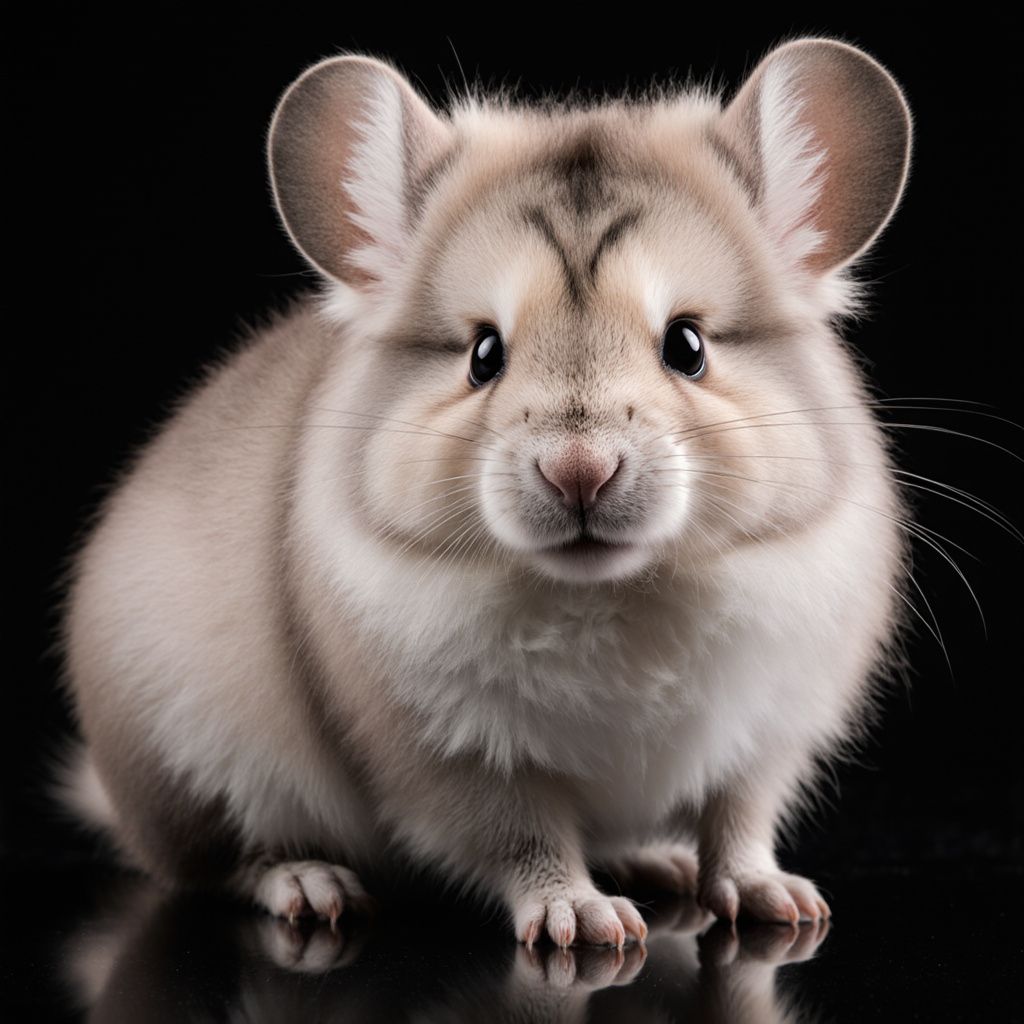
Understanding Aggression in Chinchillas
Chinchillas are generally gentle and social animals, but like any pet, they can display aggression or biting behavior under certain circumstances. Aggression in chinchillas is often a response to stress, fear, pain, or territorial instincts. As a chinchilla owner, understanding the root causes of this behavior is key to fostering a happy and healthy relationship with your pet. While biting is not common in well-socialized chinchillas, it can happen, especially if they feel threatened or uncomfortable. Recognizing the signs and triggers of aggression can help you address the issue before it escalates.
Chinchillas communicate through body language, vocalizations, and sometimes physical actions like biting. A study by the Journal of Veterinary Behavior notes that small mammals like chinchillas often resort to defensive aggression when they perceive a threat, as they are prey animals in the wild. This means that what might seem like unprovoked biting could be your chinchilla’s way of saying, “I’m scared!” or “Leave me alone!” Learning to read these signals can make a big difference in preventing aggressive encounters.
Common Causes of Aggression & Biting
Several factors can lead to aggression or biting in chinchillas. Stress is a major trigger, often caused by sudden changes in their environment, loud noises, or improper handling. For instance, if a chinchilla is not given enough time to adjust to a new home, they may become defensive. Pain or illness can also cause irritability—dental issues, which affect up to 30% of pet chinchillas according to veterinary surveys, can make them more likely to bite when handled.
Territorial behavior is another common cause, especially in multi-chinchilla households. Chinchillas may become aggressive if they feel their space or resources (like food or hiding spots) are being invaded. Hormonal changes, particularly in unneutered males or females during mating season, can also lead to increased aggression. Lastly, lack of socialization or rough handling can make a chinchilla wary of human interaction, leading to defensive biting.
Signs of Aggression to Watch For
Before a chinchilla bites, they often display warning signs. These include teeth chattering, which is a loud clicking sound indicating irritation or fear, and raising their hind legs as if preparing to spray urine (a defensive behavior). They may also puff up their fur to appear larger or lunge forward slightly. If you notice these behaviors, it’s a clear signal to give your chinchilla space and reassess the situation. Ignoring these cues can lead to a bite, which, while rarely severe, can still be painful due to their sharp teeth.
Practical Tips to Prevent and Manage Aggression
Fortunately, there are several steps you can take to minimize aggression and biting in your chinchilla:
- Create a Calm Environment: Keep their cage in a quiet, low-traffic area of your home. Avoid sudden loud noises or frequent disturbances, as these can stress them out.
- Handle with Care: Always approach your chinchilla slowly and avoid grabbing them from above, as this mimics a predator’s attack. Support their body fully when picking them up, and limit handling to 10-15 minutes at a time to prevent overwhelm.
- Socialize Gradually: If your chinchilla is new or shy, build trust by offering treats like a small piece of hay or a raisin (in moderation—1 per week max) from your hand. Let them come to you rather than forcing interaction.
- Provide Space and Enrichment: Ensure their cage meets the minimum size recommendation of 3 feet wide, 2 feet deep, and 3 feet tall for one chinchilla, with plenty of hiding spots and chew toys to reduce territorial stress.
- Monitor Health: Schedule regular vet checkups (at least once a year) to rule out pain or illness as a cause of aggression. Pay attention to changes in eating or behavior, as these can signal underlying issues.
- Separate if Necessary: If you have multiple chinchillas and notice fighting, separate them immediately into individual cages to prevent injury. Reintroduce them slowly under supervision if you wish to try bonding again.
Building a Trusting Bond
Ultimately, patience and understanding are your best tools for managing aggression in chinchillas. These small animals thrive on routine and trust, so consistency in their care can significantly reduce stress-related behaviors. If biting persists despite your efforts, consider consulting a veterinarian or an exotic pet behaviorist for tailored advice. With time and gentle interaction, most chinchillas can overcome their fears and become affectionate companions, ready to hop into your lap for a cuddle rather than a nip.