Understanding Exploration & Curiosity in Chinchillas
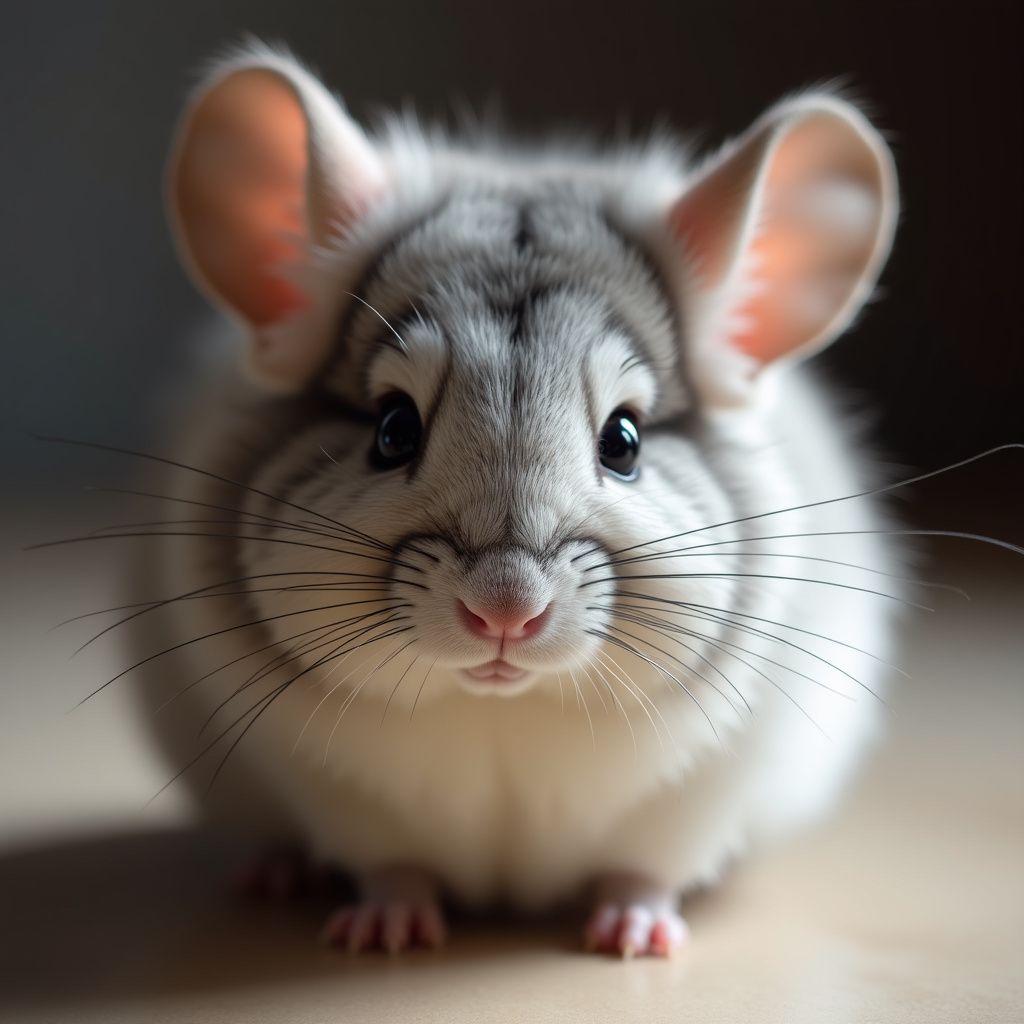
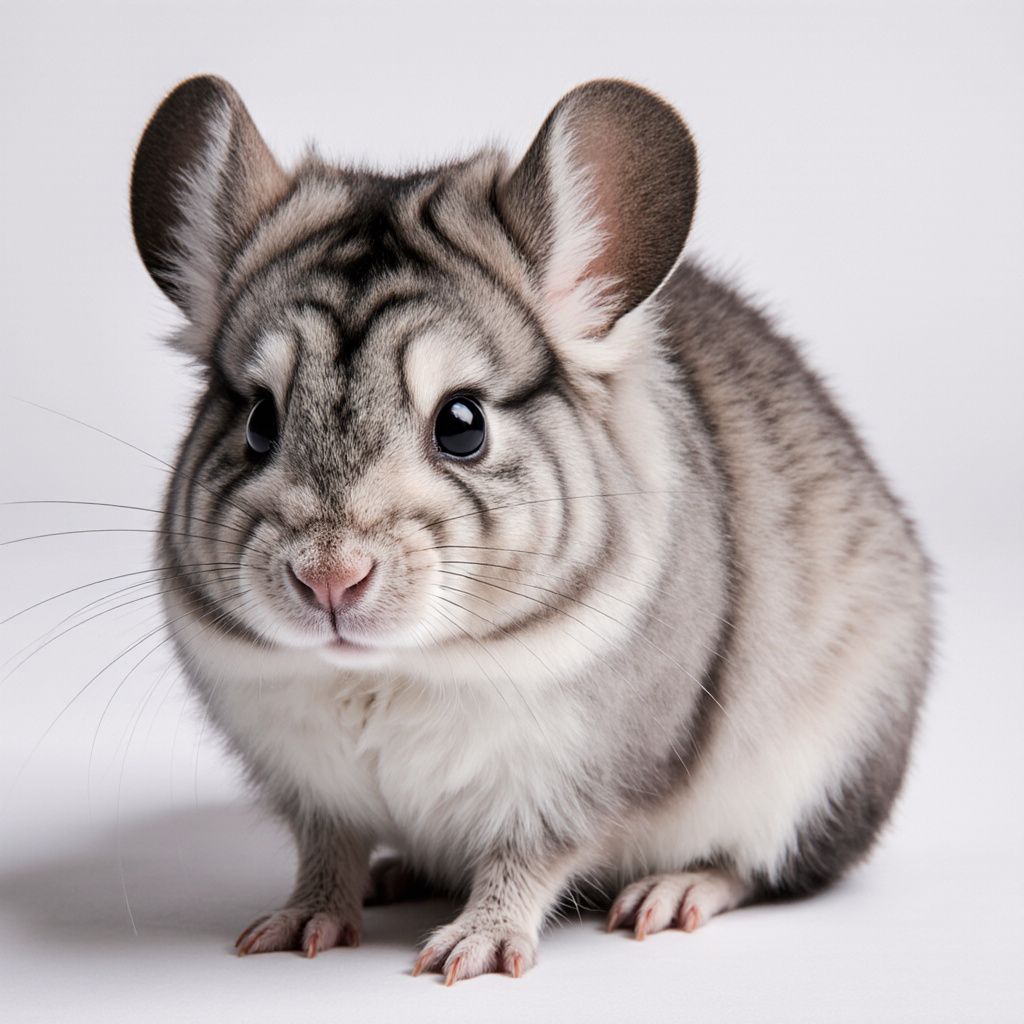
Chinchillas are naturally curious and inquisitive creatures, traits that stem from their origins in the wild, where exploring their environment was essential for finding food and avoiding predators. As pets, this behavior translates into a love for investigating their surroundings, chewing on objects, and seeking out new experiences. Understanding and nurturing this aspect of their personality is key to keeping your chinchilla happy and mentally stimulated. A bored chinchilla can become stressed or develop destructive habits, so fostering their exploratory nature is crucial for their well-being.
In the wild, chinchillas inhabit the rocky terrains of the Andes Mountains in South America, where they navigate complex environments with agility. This instinct to explore persists in domesticated chinchillas, making them eager to investigate every nook and cranny of their cage or play area. Owners often notice their chinchillas climbing, jumping, and sniffing around with boundless energy, especially during their active hours at dawn and dusk, as they are crepuscular animals.
Why Exploration Matters for Your Chinchilla
Curiosity isn’t just a cute quirk—it’s a fundamental part of a chinchilla’s mental and physical health. Engaging their exploratory instincts helps prevent boredom, reduces stress, and encourages natural behaviors like foraging and problem-solving. Studies on small mammals suggest that environmental enrichment can significantly lower stress hormones, and for chinchillas, this means a happier, healthier life. Without stimulation, they may resort to overgrooming or chewing on inappropriate items, which can lead to health issues like fur loss or dental problems.
Providing outlets for their curiosity also strengthens the bond between you and your pet. When you create safe, engaging spaces for them to explore, they learn to trust you and associate you with positive experiences. This can make handling and interaction more enjoyable for both of you.
Practical Tips to Encourage Safe Exploration
Here are some actionable ways to nurture your chinchilla’s curious nature while keeping them safe:
- Create a Stimulating Cage Environment: Ensure their cage is spacious—experts recommend a minimum of 3 feet tall, 2 feet wide, and 2 feet deep for a single chinchilla. Add multi-level platforms, wooden ledges, and tunnels for climbing and hiding. Rotate toys and accessories every few weeks to keep things fresh.
- Offer Safe Chew Toys: Chinchillas need to chew to keep their teeth, which grow continuously at a rate of 2-3 inches per year, in check. Provide apple wood sticks, pumice stones, or hay-based toys. Avoid plastic or treated materials that could be toxic if ingested.
- Supervised Playtime Outside the Cage: Allow your chinchilla to explore a chinchilla-proofed room for 30-60 minutes daily. Remove electrical cords, toxic plants, and small objects they might chew or swallow. Always supervise to prevent accidents.
- Hide Treats for Foraging Fun: Mimic their natural foraging behavior by hiding small pieces of hay or healthy treats like a single rose hip or dried herb in their cage or play area. This engages their problem-solving skills and keeps them entertained.
- Introduce New Textures and Sounds: Place safe items like cardboard boxes or paper bags (without ink or glue) in their space for them to investigate. You can also play soft, calming sounds to pique their interest, but avoid loud noises that might startle them.
Safety First: Managing Risks of Curiosity
While exploration is beneficial, chinchillas’ curiosity can sometimes lead them into trouble. They may attempt to chew on harmful materials or squeeze into tight spaces where they could get stuck. Always double-check their environment for hazards, and never leave them unsupervised outside their cage. If you notice excessive chewing or destructive behavior, it might be a sign of boredom or stress—reassess their environment and add more enrichment.
By understanding and supporting your chinchilla’s need to explore, you’re not only meeting their instinctual needs but also enriching their life in captivity. A curious chinchilla is a happy chinchilla, and with a little creativity, you can turn their natural behaviors into opportunities for fun and bonding.