
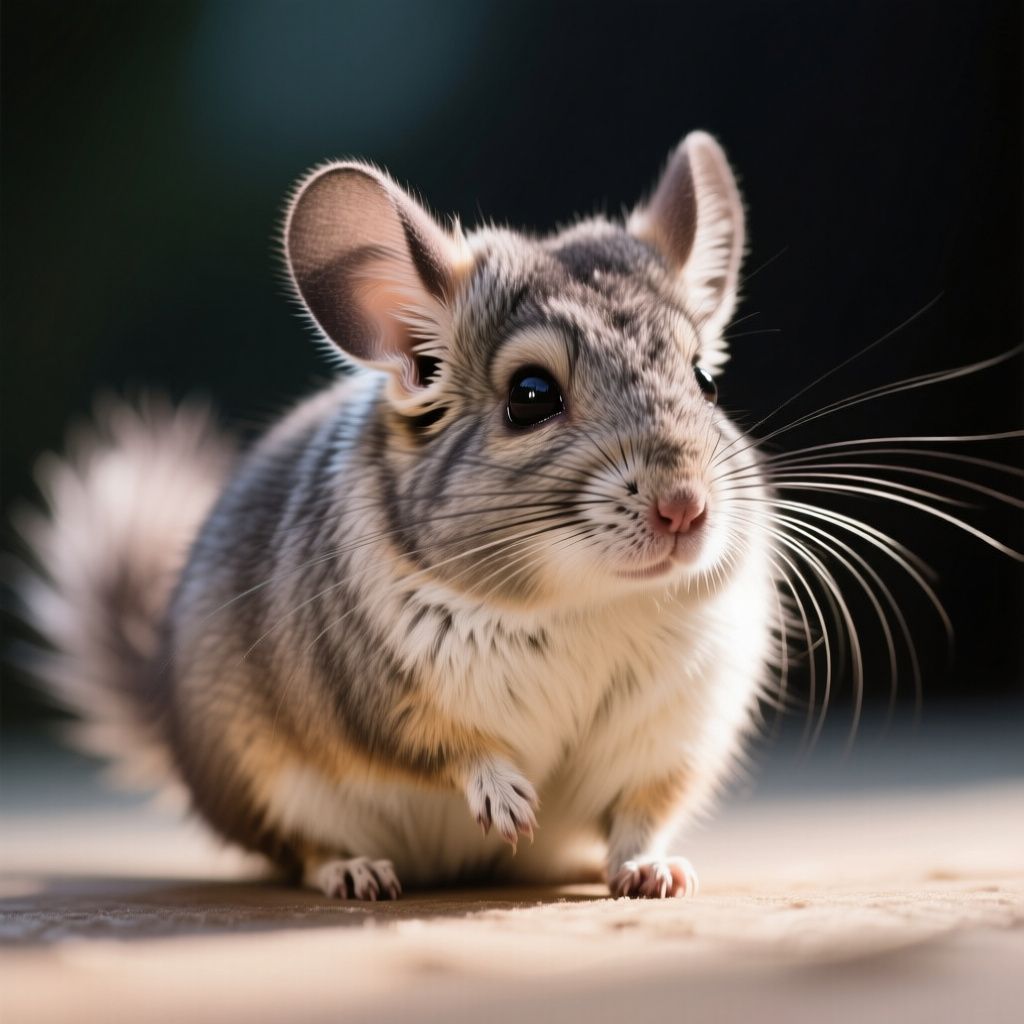
Understanding Fear & Shyness in Chinchillas
Chinchillas are naturally timid creatures, a trait rooted in their origins as prey animals in the wild. In their native Andean highlands, they rely on quick reflexes and hiding to avoid predators, which explains why fear and shyness are common behaviors even in domesticated chinchillas. As a pet owner, recognizing and addressing these behaviors is key to building trust and ensuring your chinchilla feels safe in its environment. While every chinchilla has a unique personality, many exhibit signs of fear or shyness, especially when introduced to new people, places, or situations.
Fear in chinchillas often manifests as hiding, freezing in place, or making a high-pitched barking sound as a warning. Shyness might look like reluctance to interact, avoiding eye contact, or hesitating to explore. According to studies on small mammal behavior, chinchillas can take anywhere from a few days to several weeks to adjust to new surroundings, with some individuals remaining cautious for months. Understanding that this is a normal part of their temperament helps owners approach their pet with patience and empathy.
Common Triggers of Fear & Shyness
Several factors can trigger fear or shyness in chinchillas. Sudden loud noises, such as a vacuum cleaner or a slammed door, can startle them, causing stress. Quick movements or reaching into their cage without warning can also make them feel threatened. Additionally, changes in their environment—like moving their cage to a new location or introducing a new pet—can heighten anxiety. Even well-meaning actions, like trying to pick them up before they’re ready, can reinforce their instinct to retreat.
Chinchillas are also sensitive to overstimulation. They are crepuscular, meaning they are most active at dawn and dusk, and may feel overwhelmed if handled during their rest periods (typically midday). Recognizing these triggers is the first step to creating a calm, secure space for your pet.
Building Trust with a Shy Chinchilla
Patience is your greatest tool when helping a shy or fearful chinchilla feel comfortable. Start by giving them time to adjust to their new home—experts recommend at least 7-10 days of minimal interaction after bringing a chinchilla home. During this period, avoid sudden movements and keep their cage in a quiet, low-traffic area of your home. Speak softly when near them to help them get used to your voice.
Offer treats like a small piece of plain, unsweetened oat or a tiny bit of dried apple (no more than 1-2 teaspoons per week to avoid digestive issues) to associate your presence with positive experiences. Place the treat near them rather than forcing interaction, and let them come to you at their own pace. Over time, they may begin to approach you for treats or gentle pets.
Practical Tips for Reducing Fear
- Create a Safe Space: Ensure their cage has hiding spots, like a wooden house or tunnel, where they can retreat if scared. A cage size of at least 3 feet wide, 2 feet deep, and 3 feet tall provides ample room for security and exploration.
- Maintain Routine: Chinchillas thrive on consistency. Feed them, clean their cage, and interact with them at the same times each day to reduce stress.
- Limit Handling Early On: Avoid picking them up until they’re comfortable with your presence. When you do handle them, use slow, gentle movements and support their body fully to prevent injury.
- Minimize Loud Noises: Keep their environment calm by avoiding sudden sounds or placing their cage near noisy appliances.
- Supervised Exploration: Once they’re more confident, allow out-of-cage playtime in a chinchilla-proofed room for 30-60 minutes daily. Remove hazards like wires or toxic plants, and stay nearby to monitor.
When to Seek Help
While fear and shyness are normal, excessive stress can lead to health issues like fur chewing or loss of appetite. If your chinchilla refuses to eat for more than 24 hours, hides constantly, or shows signs of aggression (such as biting when approached), consult an exotic pet veterinarian. These behaviors may indicate underlying stress or illness that needs professional attention.
Final Thoughts
Helping a shy or fearful chinchilla feel secure takes time, but the bond you build is incredibly rewarding. By respecting their boundaries, creating a calm environment, and offering gentle encouragement, you’ll help your chinchilla grow more confident. Remember, every small step forward—whether it’s taking a treat from your hand or exploring during playtime—is a victory in earning their trust. With patience and care, your chinchilla can thrive as a happy, curious companion.