
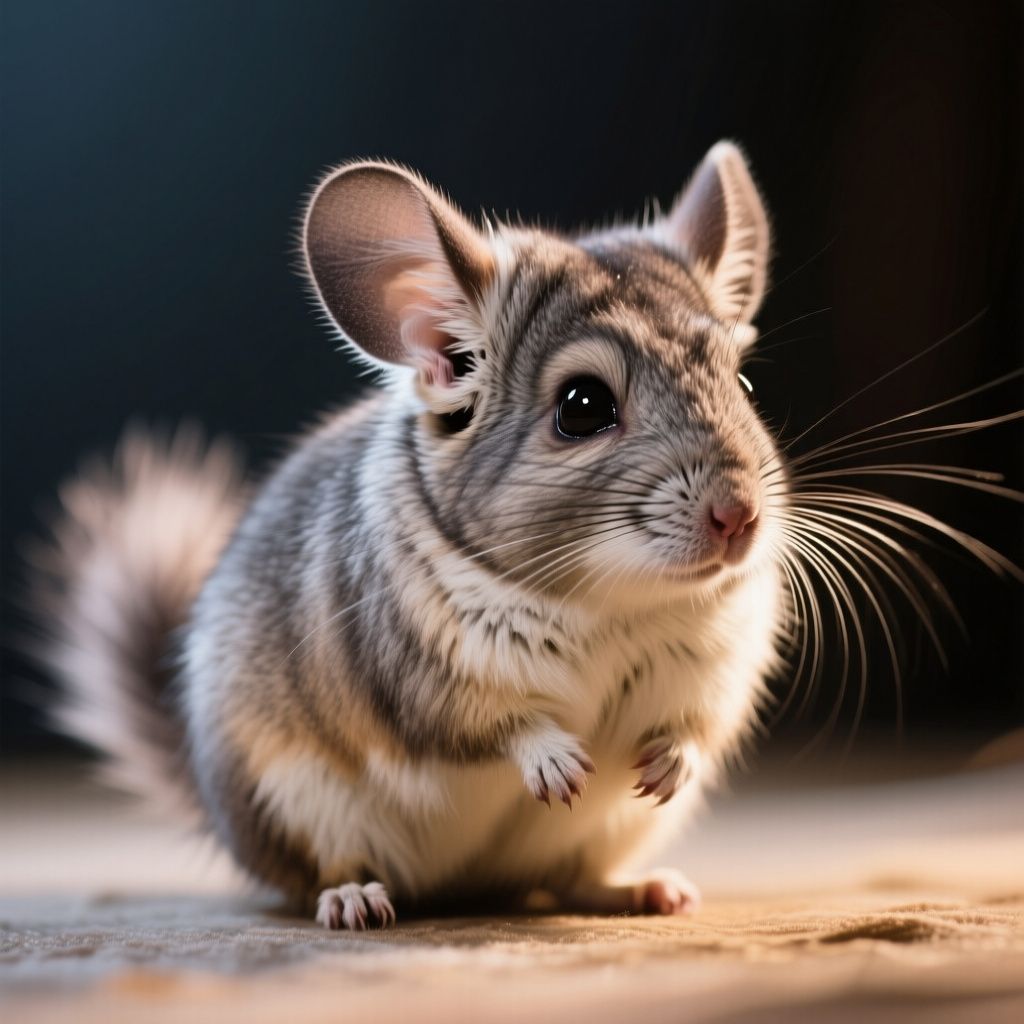
Understanding Chinchilla Jumping & Agility
Chinchillas are small, energetic rodents known for their incredible jumping ability and agility. In the wild, these animals originate from the Andes Mountains in South America, where they navigate rocky terrains and steep cliffs with ease. This natural environment has shaped their behavior, making them adept at leaping great distances and heights to escape predators or reach safe spots. For chinchilla pet owners, understanding and encouraging this behavior is key to keeping your furry friend happy and healthy. A chinchilla's jumping and agility are not just physical traits—they’re a core part of their temperament and a way to express energy and curiosity.
A healthy chinchilla can jump up to 6 feet (1.8 meters) in a single bound, often reaching heights of 2-3 feet (0.6-0.9 meters) effortlessly. This remarkable ability is supported by their strong hind legs, which are built for powerful bursts of movement. Watching your chinchilla leap from one ledge to another in their cage can be both mesmerizing and a reminder of their need for space to explore. However, this agility also means owners must be mindful of safety, as chinchillas can sometimes misjudge jumps or get into precarious situations.
Why Jumping & Agility Matter
Jumping is more than just a physical activity for chinchillas—it’s a mental and emotional outlet. In the wild, they use their agility to forage, escape danger, and socialize with other chinchillas. In captivity, a lack of opportunities to jump and climb can lead to boredom, stress, or even health issues like obesity. Providing an environment that supports their natural behaviors is essential for their well-being. Regular exercise through jumping also helps maintain their muscle tone and prevents joint stiffness, which can be a concern as they age.
Chinchillas are most active during dawn and dusk, a behavior known as crepuscular activity. During these times, you’ll likely notice your pet zooming around their enclosure, bouncing off walls, or performing impressive leaps. This burst of energy, often called “popcorning,” is a sign of happiness and excitement. Encouraging this natural agility not only keeps them physically fit but also strengthens the bond between you and your pet as they trust their environment.
Creating a Safe & Stimulating Environment
To support your chinchilla’s jumping and agility, focus on designing a safe and engaging living space. Start with a multi-level cage that’s at least 3 feet tall (0.9 meters) and offers platforms or ledges for jumping. Ensure the spacing between bars is no wider than 1 inch (2.5 cm) to prevent escapes during their acrobatic antics. Add wooden shelves or ramps—avoid plastic, as chinchillas love to chew, and it can be harmful if ingested.
Incorporate safe toys like wooden blocks or hanging chew toys to encourage exploration. Rotate these items weekly to keep things fresh and prevent boredom. Always supervise out-of-cage playtime in a chinchilla-proofed room, removing hazards like electrical cords or small objects they might chew. A playpen with low ledges can be a great addition for safe jumping practice outside the cage.
Tips for Encouraging Healthy Activity
- Daily Exercise: Allow at least 1-2 hours of active playtime outside the cage each day, ideally during their peak activity hours at dawn or dusk.
- Watch for Overexertion: While chinchillas are agile, they can tire out. If they seem lethargic or pant heavily after jumping, give them a break and check for signs of stress or injury.
- Monitor Jump Heights: Avoid placing ledges higher than 2 feet (0.6 meters) apart in their cage to prevent falls, especially for younger or older chinchillas.
- Positive Reinforcement: Reward their exploration with small, healthy treats like a tiny piece of dried rosehip or a hay cube to associate activity with fun.
Recognizing Potential Issues
While jumping is natural, excessive or erratic behavior might signal stress, discomfort, or health problems. If your chinchilla avoids jumping, seems reluctant to move, or shows signs of pain (like limping), consult a vet immediately, as they could have a leg injury or joint issue. Similarly, if they’re jumping excessively against cage walls, it might indicate they feel confined or anxious—consider enlarging their space or adding more enrichment.
By understanding and supporting your chinchilla’s jumping and agility, you’re helping them live a fulfilling life that mirrors their wild instincts. With the right environment and care, you’ll witness their playful leaps and boundless energy, a true testament to their spirited nature.