Understanding Play Behavior in Chinchillas
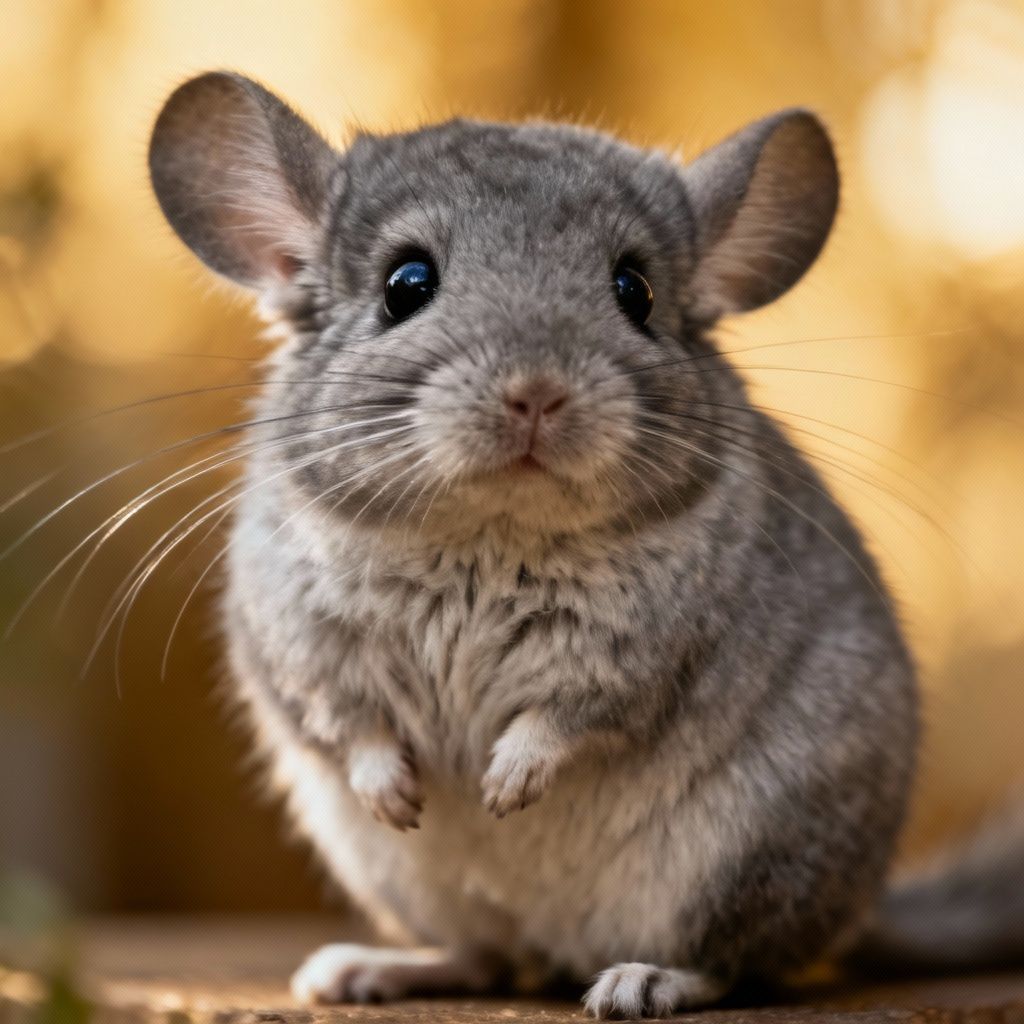
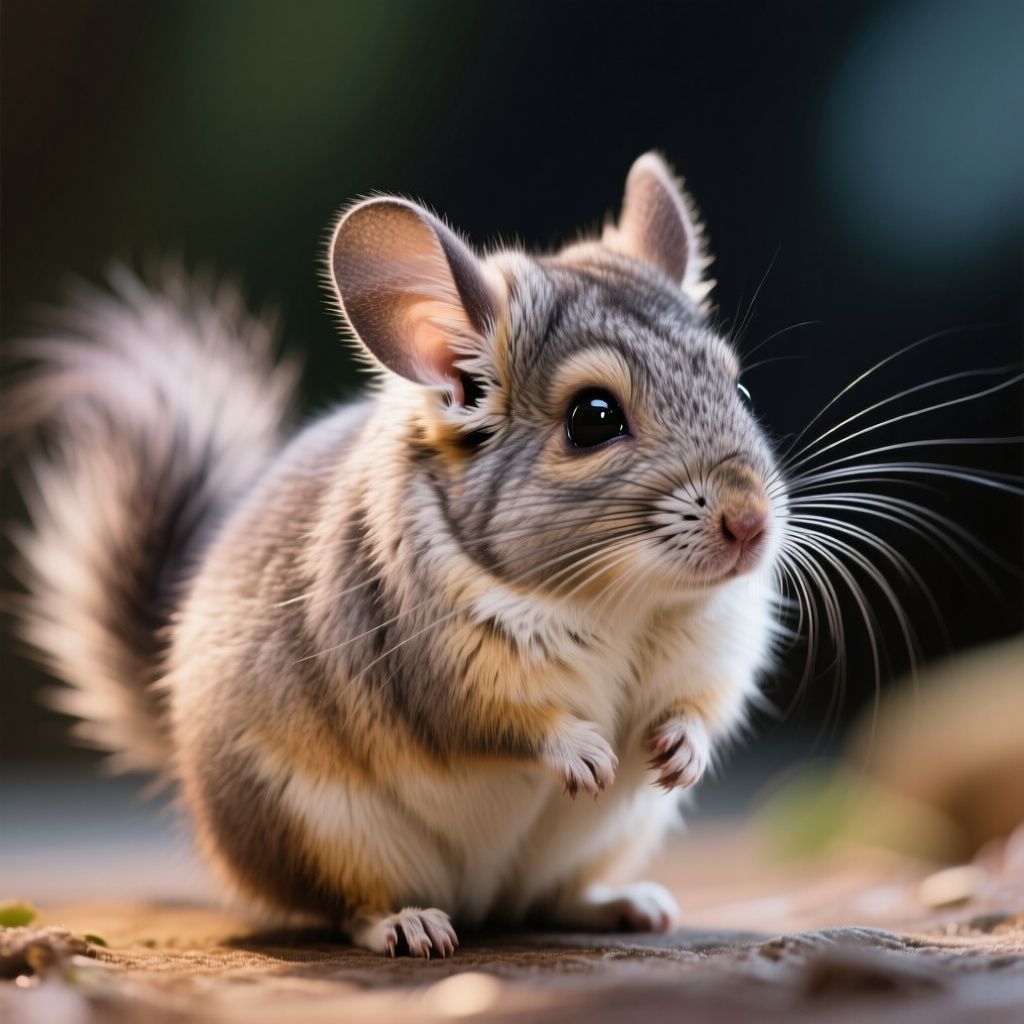
Chinchillas are delightful, energetic pets known for their soft fur and curious personalities. As a chinchilla owner, understanding their play behavior is key to ensuring they lead a happy, healthy life. Play is not just a source of entertainment for chinchillas; it’s a vital part of their physical and mental well-being. These small rodents are naturally active, especially during the evening and night, reflecting their crepuscular nature. By learning about their play habits, you can create an enriching environment that keeps your chinchilla engaged and thriving.
Why Play is Essential for Chinchillas
In the wild, chinchillas spend much of their time exploring rocky terrains, jumping, and foraging in the Andes Mountains of South America. Play behavior mimics these natural instincts, helping them stay physically fit and mentally stimulated. A lack of play opportunities can lead to boredom, stress, or even health issues like obesity or depression. Studies suggest chinchillas need at least 1-2 hours of active playtime daily outside their cage to maintain their well-being. Play also strengthens the bond between you and your pet, as they associate fun activities with your presence.
Common Play Behaviors in Chinchillas
Chinchillas exhibit a variety of playful behaviors that are both adorable and insightful. One of the most common is their impressive jumping ability—chinchillas can leap up to 6 feet in a single bound! You might notice them hopping around their cage or play area, often bouncing off walls or furniture in a behavior called "wall surfing." They also love to chew on safe toys or objects, which helps keep their ever-growing teeth in check. Rolling in dust baths is another favorite "play" activity, as it mimics their natural grooming habits while providing sensory stimulation. Additionally, chinchillas may engage in short bursts of zooming around, a sign of excitement or happiness.
Creating a Play-Friendly Environment
To encourage healthy play, set up a safe and stimulating space for your chinchilla. Start by providing a spacious cage—at least 3 feet wide, 2 feet deep, and 3 feet tall—with multiple levels or ledges for jumping. Outside the cage, designate a chinchilla-proof play area free of wires, toxic plants, or small gaps where they could get stuck. Rotate toys regularly to keep things interesting; wooden blocks, chew sticks, and tunnels are excellent choices. Avoid plastic toys, as chinchillas may ingest harmful fragments. You can also hide small treats like a single raisin (no more than 1-2 per week due to sugar content) to encourage foraging behavior.
Practical Tips for Playtime with Your Chinchilla
Interacting with your chinchilla during playtime is a wonderful way to build trust. Begin by letting them explore at their own pace—never force them to play. Sit quietly in their play area and allow them to approach you; some chinchillas enjoy hopping onto their owner’s lap or shoulder. Use a gentle voice to reassure them, and avoid sudden movements that might startle them. Schedule play sessions during their active hours, typically early morning or late evening, to match their natural rhythm. Limit playtime to 30-60 minutes per session to prevent overexertion, and always supervise to ensure their safety.
Recognizing Overstimulation or Stress During Play
While play is crucial, it’s important to watch for signs that your chinchilla may be overwhelmed. If they start hiding, barking (a sharp, high-pitched sound), or showing fur slippage (losing patches of fur due to stress), it’s time to give them a break. Ensure they have a quiet, cozy spot in their cage to retreat to after play. Every chinchilla has a unique personality—some may be more playful, while others are shy—so tailor activities to their comfort level.
By understanding and supporting your chinchilla’s play behavior, you’re helping them live a fuller, happier life. With the right environment and a little patience, playtime can become a cherished part of your daily routine together.