
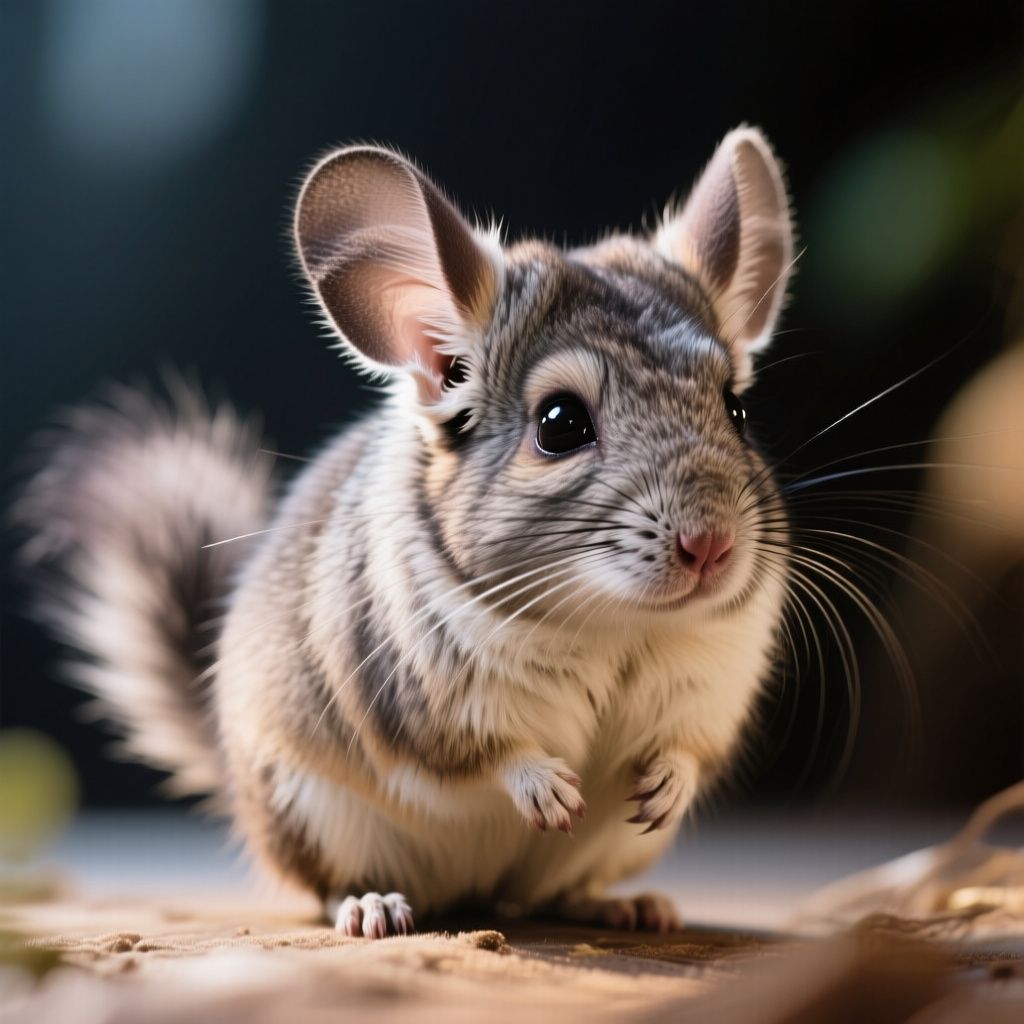
Understanding Social Behavior in Chinchillas
Chinchillas are adorable, fluffy companions known for their soft fur and curious personalities, but understanding their social behavior is key to building a strong bond with them. Native to the Andes Mountains in South America, chinchillas are naturally social animals that thrive in colonies in the wild. However, as pets, their social needs and behaviors can vary depending on their environment, upbringing, and individual temperament. This article will guide you through the social dynamics of chinchillas and offer practical advice for fostering a happy, trusting relationship with your pet.
Social Nature of Chinchillas
In their natural habitat, chinchillas live in groups of up to 100 individuals, forming tight-knit communities where they communicate, groom, and protect each other. This social structure helps them survive harsh conditions and predators. As pets, chinchillas often retain this desire for companionship, whether with other chinchillas or their human caregivers. However, not all chinchillas are equally social—some may be more independent or shy, especially if they weren’t properly socialized as babies (ideally between 8-12 weeks old, when they’re most receptive to bonding).
Chinchillas communicate through a variety of vocalizations and body language. For example, a soft cooing sound often indicates contentment, while a sharp bark can signal alarm or irritation. They also use physical cues like ear positioning or fur puffing to express emotions. Observing these signals can help you understand when your chinchilla feels comfortable or stressed during social interactions.
Bonding with Your Chinchilla
Building trust with your chinchilla takes patience, as they are naturally cautious animals. Start by giving them time to adjust to their new home—avoid handling them for the first few days after bringing them home. Sit near their cage and speak softly to let them get used to your presence and voice. Offering a small treat, like a piece of dried apple (in moderation, as treats should only make up 10% of their diet), can also help associate you with positive experiences.
Handling should be gentle and minimal at first. Chinchillas don’t typically enjoy being held for long periods, as it can make them feel trapped. Instead, let them come to you by sitting with your hand in their cage, palm up, and allowing them to explore. Over time, they may hop onto your hand or lap when they feel safe. Aim for short, positive interactions of 5-10 minutes daily to build trust without overwhelming them.
Housing Chinchillas Together
If you’re considering keeping multiple chinchillas, remember that they can form strong bonds with cage mates, but introductions must be done carefully. Same-sex pairs or small groups (2-3 chinchillas) often work best to avoid breeding and aggression. Introduce them in a neutral space outside their cages to prevent territorial behavior, and supervise closely for signs of fighting, such as fur pulling or chasing. It can take weeks for chinchillas to accept a new companion, so don’t rush the process. Ensure their cage is spacious—experts recommend at least 3 cubic feet of space per chinchilla—to reduce stress and competition.
Encouraging Social Play and Interaction
Chinchillas are active and curious, often engaging in social play like hopping, chasing, or grooming each other if they have a companion. If you have a single chinchilla, you can mimic this interaction by providing toys like wooden chew blocks or tunnels to keep them mentally stimulated. Spend time interacting with them during their active hours, typically in the early morning or evening, as chinchillas are crepuscular (most active at dawn and dusk). A dust bath, which they often enjoy in pairs in the wild, can also be a fun shared activity if you have multiple chinchillas—just ensure the bath container is large enough for them to roll around comfortably.
Recognizing Stress in Social Settings
While chinchillas are social, they can become stressed if forced into unwanted interactions or if their environment feels unsafe. Signs of stress include excessive barking, hiding, or fur chewing (a behavior where they pull out their own fur). If you notice these behaviors, evaluate their social setup. Are they getting enough quiet time? Is their cage in a calm, low-traffic area? If housed with others, consider separating them temporarily to see if the stress reduces. Always provide hiding spots, like a small wooden house, where they can retreat if overwhelmed.
Final Thoughts for Chinchilla Owners
Understanding your chinchilla’s social behavior is a rewarding journey that deepens your connection with them. Whether they’re a solo pet craving your attention or part of a small group, meeting their social needs ensures a happier, healthier life. Be patient, observe their unique personality, and adapt to their comfort level. With time and care, your chinchilla will show you their affectionate side—whether through a curious nibble or a cozy snuggle during playtime.