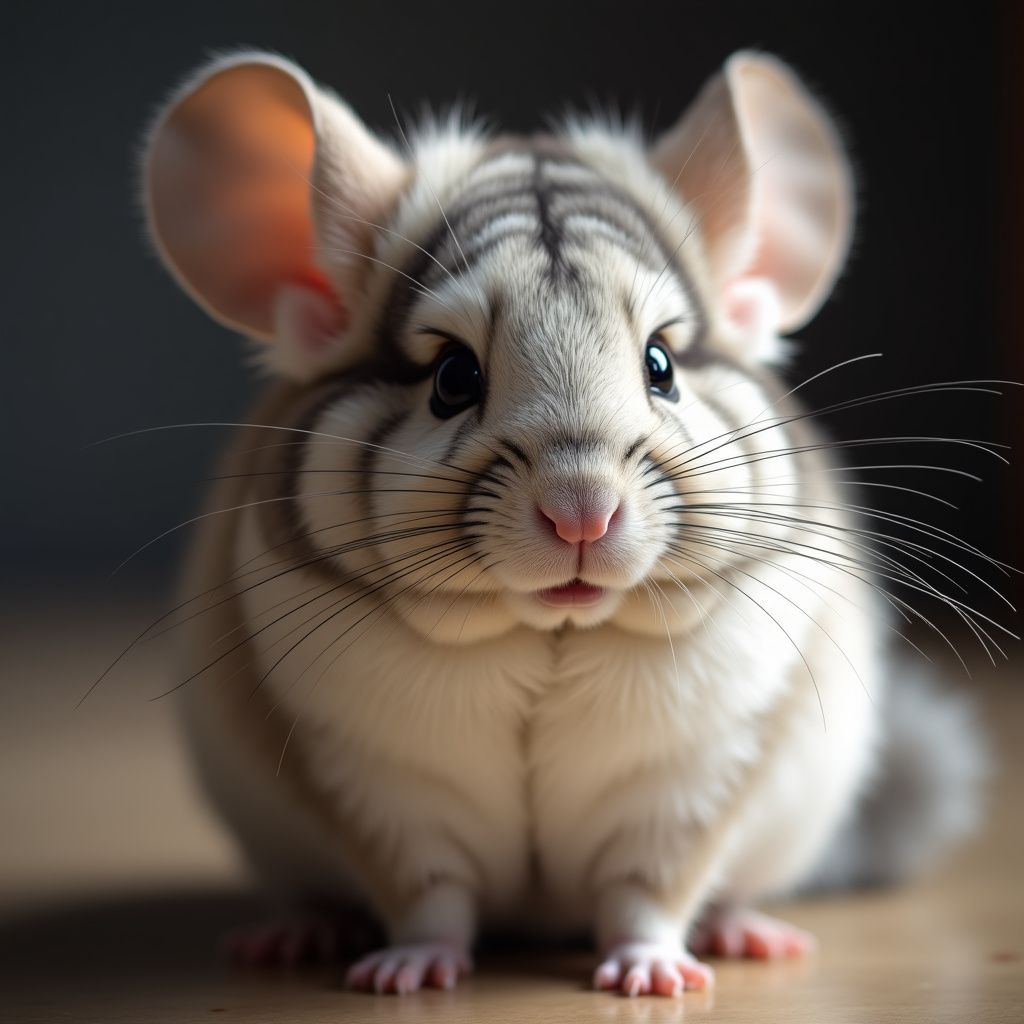
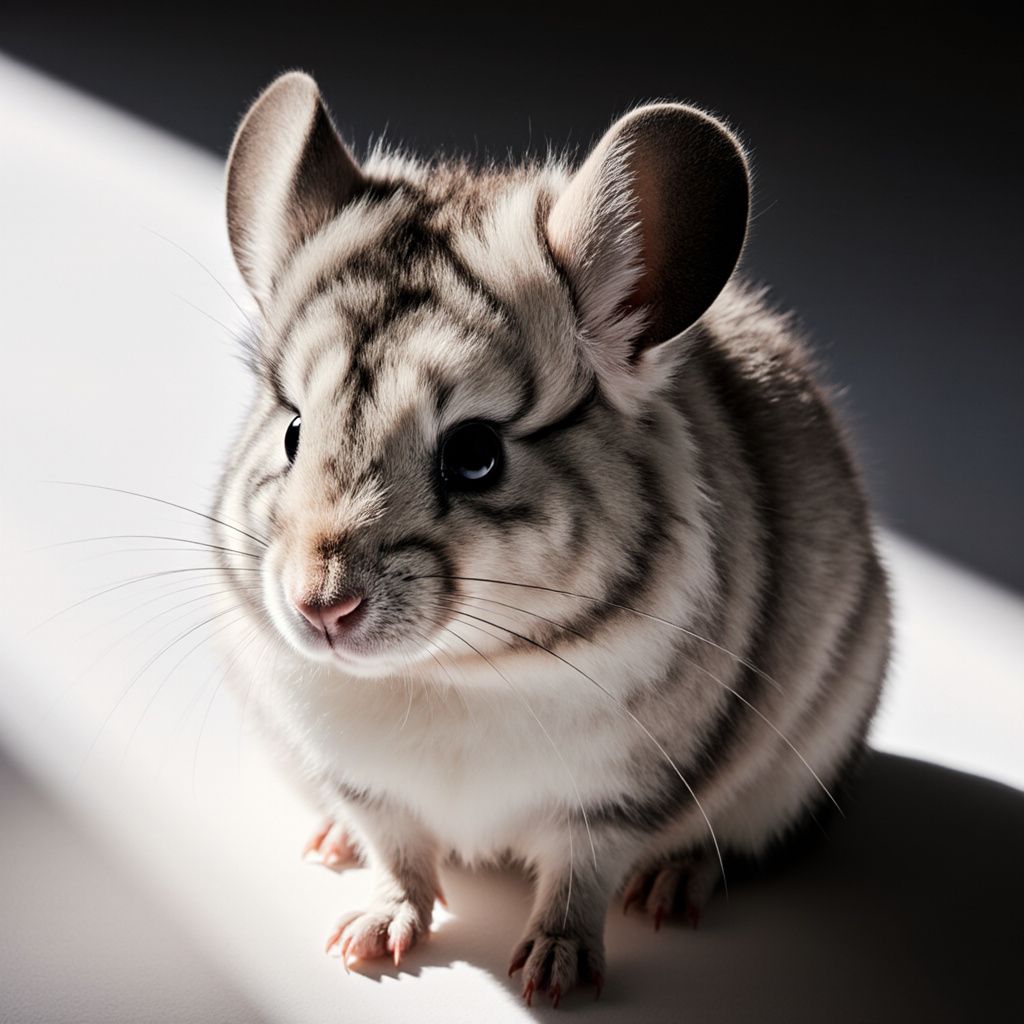
চিনচিলার স্বভাব বোঝা
চিনচিলা হলো ছোট, নরম লোমশ ক্ষুদ্রপায়ী প্রাণী, যা দক্ষিণ আমেরিকার আন্দিজ পর্বতমালায় জন্মগ্রহণ করে, এবং তাদের আকর্ষণীয় চেহারা এবং অনন্য ব্যক্তিত্বের কারণে তারা এক্সোটিক পোষ্য প্রাণী হিসেবে ক্রমশ জনপ্রিয় হয়েছে। তবে, তাদের স্বভাব বোঝা আপনার চিনচিলার সাথে দৃঢ় বন্ধন গড়ে তোলার এবং তাদের সুখী, চাপমুক্ত জীবন যাপন নিশ্চিত করার জন্য অত্যন্ত গুরুত্বপূর্ণ। চিনচিলারা সাধারণত কোমল এবং কৌতূহলী, কিন্তু তাদের আচরণ পরিবেশ, সামাজিকীকরণ এবং ব্যক্তিগত ব্যক্তিত্বের উপর নির্ভর করে পরিবর্তিত হতে পারে। পোষ্য মালিক হিসেবে, তাদের অদ্ভুত অভ্যাস এবং চাহিদা জানা এই সূক্ষ্ম প্রাণীদের জন্য একটি যত্নশীল বাসস্থান তৈরি করতে সাহায্য করবে।
চিনচিলারা crepuscular, অর্থাৎ তারা সকালের প্রথম আলো এবং সন্ধ্যার সময় সবচেয়ে সক্রিয় থাকে। এই প্রাকৃতিক ছন্দ তাদের বন্য প্রবৃত্তি থেকে উদ্ভূত, যাতে তারা দিন এবং রাতে শিকারীদের এড়াতে পারে। ফলে, আপনার চিনচিলা প্রথম সকালে বা দেরি সন্ধ্যায় সবচেয়ে উদ্দীপ্ত হলে অবাক হবেন না। তারা বন্য অবস্থায় অত্যন্ত সামাজিক প্রাণী, প্রায়ই ১০০টি ব্যক্তির কলোনিতে বাস করে, তাই সঠিকভাবে পরিচয় করালে তারা মালিক বা অন্য চিনচিলার সাথে দৃঢ় বন্ধন গড়তে পারে। তবে, তারা সবসময় কুকুর বা বিড়ালের মতো আদরপিপাসু নয়—অনেক চিনচিলা নিজস্ব শর্তে মেলামেশা পছন্দ করে।
সাধারণ ব্যক্তিত্বগত বৈশিষ্ট্য
চিনচিলারা তাদের অনুসন্ধানী এবং খেলাধুলাপ্রিয় প্রকৃতির জন্য পরিচিত। তারা তাদের চারপাশ অন্বেষণ করতে ভালোবাসে, প্রায়ই তাদের পिंজরা বা খেলার এলাকায় চমৎকার চপলতার সাথে লাফালাফি করে। তাদের লাফ উচ্চতায় ৬ ফুট পর্যন্ত হতে পারে, যা তাদের ক্রীড়াঙ্গত ক্ষমতার প্রমাণ! এই খেলাধুলার শক্তি মানে তারা বিরক্তি এড়াতে পর্যাপ্ত মানসিক এবং শারীরিক উদ্দীপনার প্রয়োজন, যা চাপ বা ধ্বংসাত্মক আচরণ যেমন fur chewing-এর দিকে নিয়ে যেতে পারে।
সাধারণত শান্ত থাকলেও, চিনচিলারা ভীতু হতে পারে, বিশেষ করে যদি তারা হ্যান্ডলিং-এ অভ্যস্ত না হয় বা হুমকি অনুভব করে। জোরে শব্দ, হঠাৎ নড়াচড়া বা অপরিচিত পরিবেশ তাদের চমকে দিতে পারে, যার ফলে তারা লুকিয়ে পড়ে বা প্রতিরক্ষা হিসেবে fur slip (একটি আচরণ যাকে "fur slip" বলা হয়) করে লোম ছেড়ে দিতে পারে। আপনার চিনচিলার সাথে বিশ্বাস গড়ে তোলার সময় ধৈর্য অত্যাবশ্যক—তারা আপনার সাথে আরামদায়ক বোধ করতে সপ্তাহ বা মাসও লাগতে পারে। কিছু চিনচিলা বেশি বহির্মুখী এবং কোমল আদর উপভোগ করে, যখন অন্যরা আরও সংরক্ষিত থাকে, নিরাপদ দূরত্ব থেকে পর্যবেক্ষণ করতে পছন্দ করে।
স্বভাব প্রভাবিতকারী কারণসমূহ
আপনার চিনচিলার স্বভাব গঠনে বেশ কয়েকটি কারণ প্রভাব ফেলতে পারে। প্রাথমিক সামাজিকীকরণ গুরুত্বপূর্ণ ভূমিকা পালন করে; ছোটবেলা থেকে কোমলভাবে এবং নিয়মিত হ্যান্ডেল করা চিনচিলারা প্রায়ই বেশি বন্ধুত্বপূর্ণ এবং কম ভীতু হয়। জেনেটিক্সও গুরুত্বপূর্ণ—কিছু চিনচিলা তাদের বংশগতির কারণে স্বভাবতই বেশি ভীতু বা সাহসী। এছাড়া, তাদের পরিবেশ আচরণকে প্রভাবিত করে। সংকুচিত, শোরগোলপূর্ণ বা দুর্ব্যবস্থাপিত পिंজরা চাপ সৃষ্টি করতে পারে, যা তাদের চড়াচড়ি বা বিচ্ছিন্ন করে তুলতে পারে। চিনচিলারা ৬০-৭০°F (১৬-২১°C) তাপমাত্রায় সুস্থ থাকে, কারণ অতিরিক্ত গরম চাপ সৃষ্টি করে এবং তাদের মেজাজ প্রভাবিত করে।
চিনচিলা মালিকদের জন্য ব্যবহারিক টিপস
আপনার চিনচিলার সাথে ইতিবাচক সম্পর্ক গড়ে তোলার জন্য সময়, ধারাবাহিকতা এবং তাদের সীমানার প্রতি সম্মান প্রয়োজন। এখানে তাদের স্বভাব বোঝা এবং সমর্থন করার জন্য কিছু ব্যবহারিক টিপস দেওয়া হলো:
- শান্ত পরিবেশ তৈরি করুন: তাদের পিন্জরাটি শোরগোল বা ভিড়ভাট্টা থেকে দূরে শান্ত জায়গায় রাখুন। তাদের কাছে যাওয়ার সময় হঠাৎ নড়াচড়া এড়ান যাতে চমক না লাগে।
- নিরাপদ মেলামেশা অফার করুন: চিনচিলাকে জোর করে স্পর্শ করার পরিবর্তে তাকে আপনার কাছে আসতে দিন। বিশ্বাস গড়তে ছোট টুকরো hay বা raisin (সপ্তাহে ১-২টির বেশি নয়, শর্করার কারণে) দিয়ে শুরু করুন।
- উন্নয়ন প্রদান করুন: wooden chews, tunnels এবং chinchilla-এর জন্য তৈরি exercise wheels-এর মতো খেলনা দিয়ে তাদের মন নিযুক্ত রাখুন। কৌতূহল বজায় রাখতে খেলনা সাপ্তাহিক ঘুরিয়ে দিন।
- তাদের সময়সূচীকে সম্মান করুন: তারা crepuscular হওয়ায়, সকালের প্রথম আলো বা সন্ধ্যায় মেলামেশা করুন সর্বোত্তম প্রতিক্রিয়ার জন্য।
- সতর্কতার সাথে হ্যান্ডেল করুন: তুলে নেওয়ার সময় তাদের শরীর সম্পূর্ণরূপে সমর্থন করুন এবং লেজ বা লোম ধরা এড়ান। তারা চাপग्रস্ত মনে হলে হ্যান্ডলিং সংক্ষিপ্ত রাখুন।
সময়ের সাথে বন্ধন গড়া
প্রত্যেক চিনচিলা অনন্য, এবং তাদের স্বভাব বাসস্থানে আরামদায়ক হওয়ার সাথে সাথে পরিবর্তিত হতে পারে। কেউ কেউ হাতে ধরা পছন্দ নাও করতে পারে কিন্তু নরম chirping করে বা আপনার কাছে grooming করে স্নেহ দেখাতে পারে। অন্যরা মেলামেশা খুঁজে আপনাকে অবাক করতে পারে। মূল বিষয় হলো তাদের শারীরিক ভাষা পর্যবেক্ষণ করা—ফ্ল্যাটেন করা কান বা দ্রুত লুকিয়ে পড়া অস্বস্তির সংকেত, যখন আরামদায়ক লাফানো এবং শব্দধ্বনি সুখের ইঙ্গিত।
নিরাপদ পরিবেশ প্রদান করে, তাদের ব্যক্তিত্বকে সম্মান করে এবং ধৈর্য ধরে, আপনি আপনার চিনচিলার সাথে পুরস্কারমূলক সম্পর্ক গড়ে তুলবেন। সময়ের সাথে, আপনি তাদের মেজাজ এবং অদ্ভুত অভ্যাস পড়তে শিখবেন, যা এই মনোরম, সংবেদনশীল পোষ্যদের জন্য আপনাকে আরও ভালো যত্নকারী করে তুলবে।