
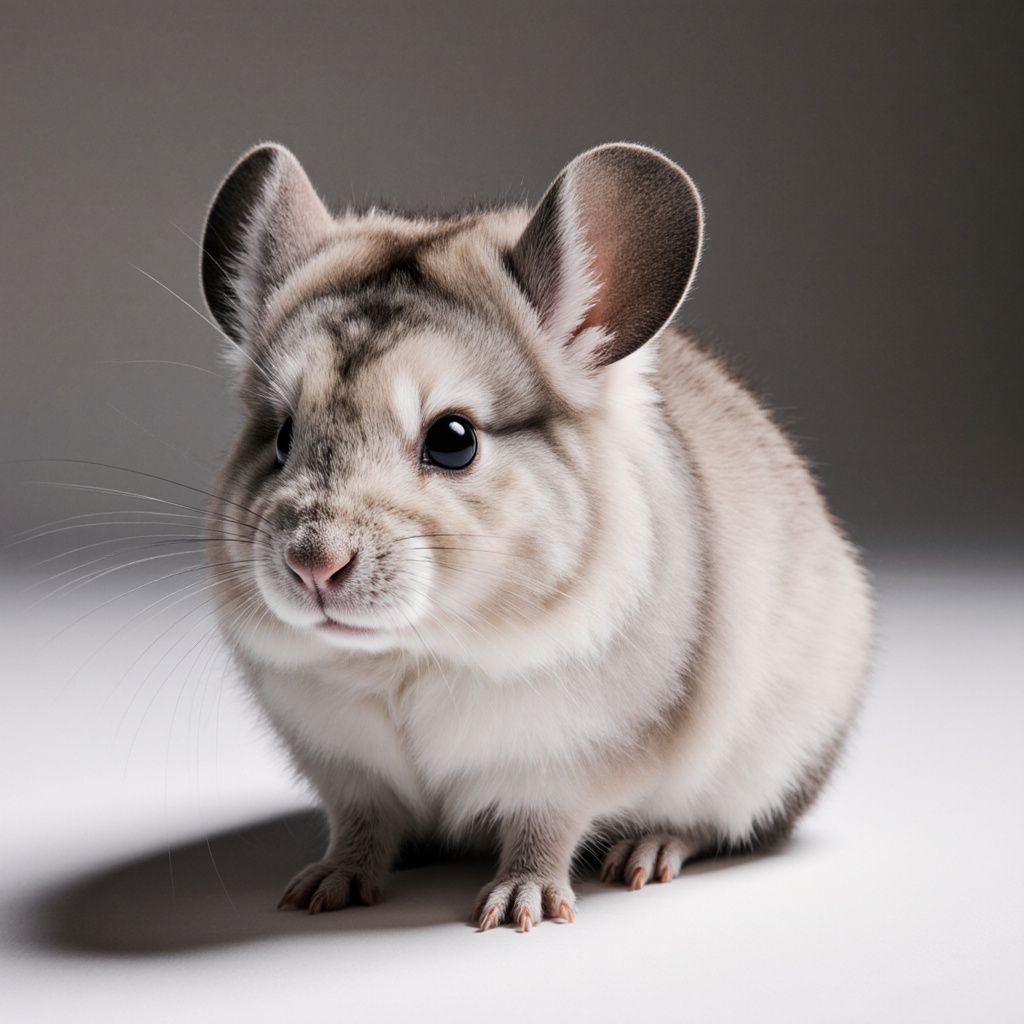
Understanding Territorial Behavior in Chinchillas
Chinchillas are adorable, fluffy companions, but like many animals, they can exhibit territorial behavior that surprises new owners. In the wild, chinchillas live in colonies and defend their burrows and resources from intruders to ensure survival. As pets, this instinct often translates into protective or defensive actions over their cage, toys, or even their favorite human. Understanding this behavior is key to creating a harmonious environment for your chinchilla and preventing stress for both of you.
Territorial behavior in chinchillas can manifest in various ways, such as barking, chattering their teeth, spraying urine (especially in females), or even nipping when they feel their space is being invaded. This isn’t aggression for the sake of being mean—it’s a natural response to perceived threats. Recognizing these signs can help you address the root cause and keep your chinchilla feeling secure.
Common Triggers of Territorial Behavior
Several factors can trigger territorial responses in chinchillas. One of the most common is a change in their environment. Moving their cage to a new location, introducing a new pet, or even rearranging their toys can make them feel unsettled. Chinchillas thrive on routine, and disruptions can lead to stress, which often manifests as territoriality.
Another trigger is the presence of other chinchillas or animals. While chinchillas are social in the wild, they can be selective about their companions. If you’re introducing a new chinchilla, they may initially show territorial behavior by marking their space or displaying dominance. Similarly, other household pets like dogs or cats near their cage can make them feel threatened.
Lastly, limited space or resources can heighten territorial tendencies. Chinchillas need ample room to explore and play—experts recommend a cage size of at least 3 feet wide, 2 feet deep, and 3 feet tall for a single chinchilla. If their space feels cramped or they’re competing for food, water, or hiding spots, they’re more likely to act defensively.
Practical Tips for Managing Territorial Behavior
Thankfully, there are several ways to manage and minimize territorial behavior in your chinchilla. Start by ensuring their environment feels safe and stable. Avoid making sudden changes to their cage setup or location. If a change is necessary, do it gradually—move the cage a few inches at a time over several days, or introduce new items slowly so they can adjust.
Providing enough space and enrichment is also crucial. A spacious cage with multiple levels, hiding spots, and toys can prevent feelings of confinement. Rotate toys every few weeks to keep things interesting, but always leave a familiar item or two for comfort. Make sure each chinchilla, if you have more than one, has access to their own resources like food bowls and water bottles to avoid competition.
If you’re introducing a new chinchilla, take it slow. Use a separate cage initially, placed near the first chinchilla’s cage so they can get used to each other’s scent. Swap bedding between cages after a few days to further familiarize them. Supervised playtime in a neutral space can help them bond without triggering territorial disputes. Be patient—bonding can take weeks or even months.
Building Trust with Your Chinchilla
Territorial behavior often stems from fear or insecurity, so building trust is essential. Spend time near their cage daily, talking softly or offering treats like a small piece of hay or a raisin (no more than one per week due to sugar content). Let them approach you on their terms rather than reaching into their space uninvited. Over time, they’ll associate you with positive experiences and feel less need to defend their territory.
If your chinchilla shows signs of stress or territoriality, resist the urge to punish them. Instead, assess their environment for potential triggers and address those. A calm, consistent approach will go a long way in helping your chinchilla feel secure.
When to Seek Help
While territorial behavior is normal, excessive aggression or sudden changes in behavior might indicate an underlying issue like illness or extreme stress. If your chinchilla’s behavior worsens or they stop eating, drinking, or grooming, consult an exotic pet veterinarian. They can rule out health problems and offer tailored advice.
By understanding and respecting your chinchilla’s territorial instincts, you can create a happy, stress-free environment where they feel safe to thrive. With patience and care, you’ll build a strong bond with your furry friend that lasts for years.