Introduction to Chinchilla Genetics
Welcome, chinchilla enthusiasts! Understanding the basics of genetics can be incredibly helpful for pet owners, especially if you're considering breeding your chinchillas or simply want to learn more about their unique traits. Genetics is the science of how traits are passed from parents to offspring through genes, and in chinchillas, this plays a huge role in their coat color, fur texture, and even health. While you don’t need to be a scientist to grasp the essentials, a little knowledge can go a long way in making informed decisions for your furry friends. This overview will break down the key concepts of chinchilla genetics and offer practical tips for pet owners.
How Genetics Work in Chinchillas
At its core, genetics involves the inheritance of traits through DNA, the building blocks of life. Chinchillas, like all animals, inherit half of their genetic material from each parent. These genes determine everything from their iconic fur colors—such as standard gray, beige, or violet—to potential health conditions. Genes come in pairs, with one copy inherited from the mother and one from the father. Some genes are dominant (they overpower others and show up as a visible trait), while others are recessive (they only appear if both gene copies are recessive).
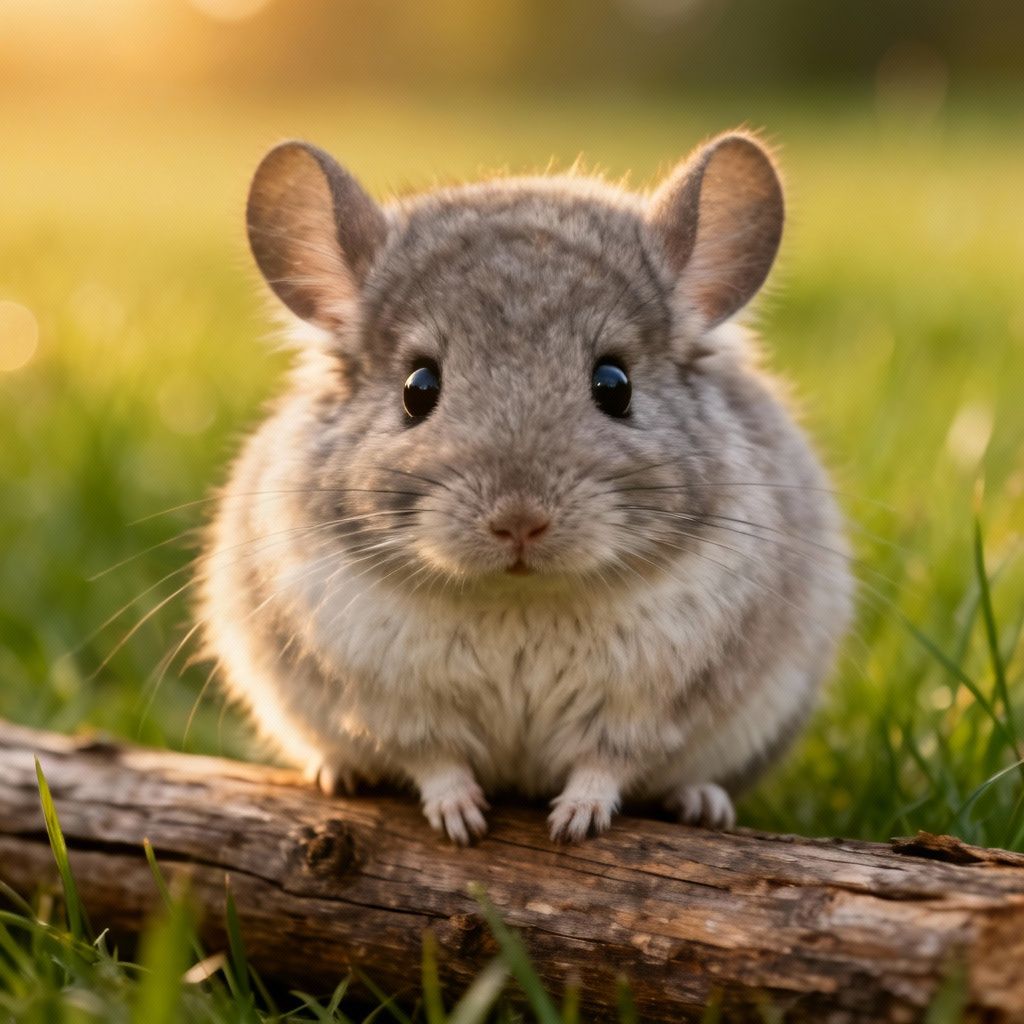
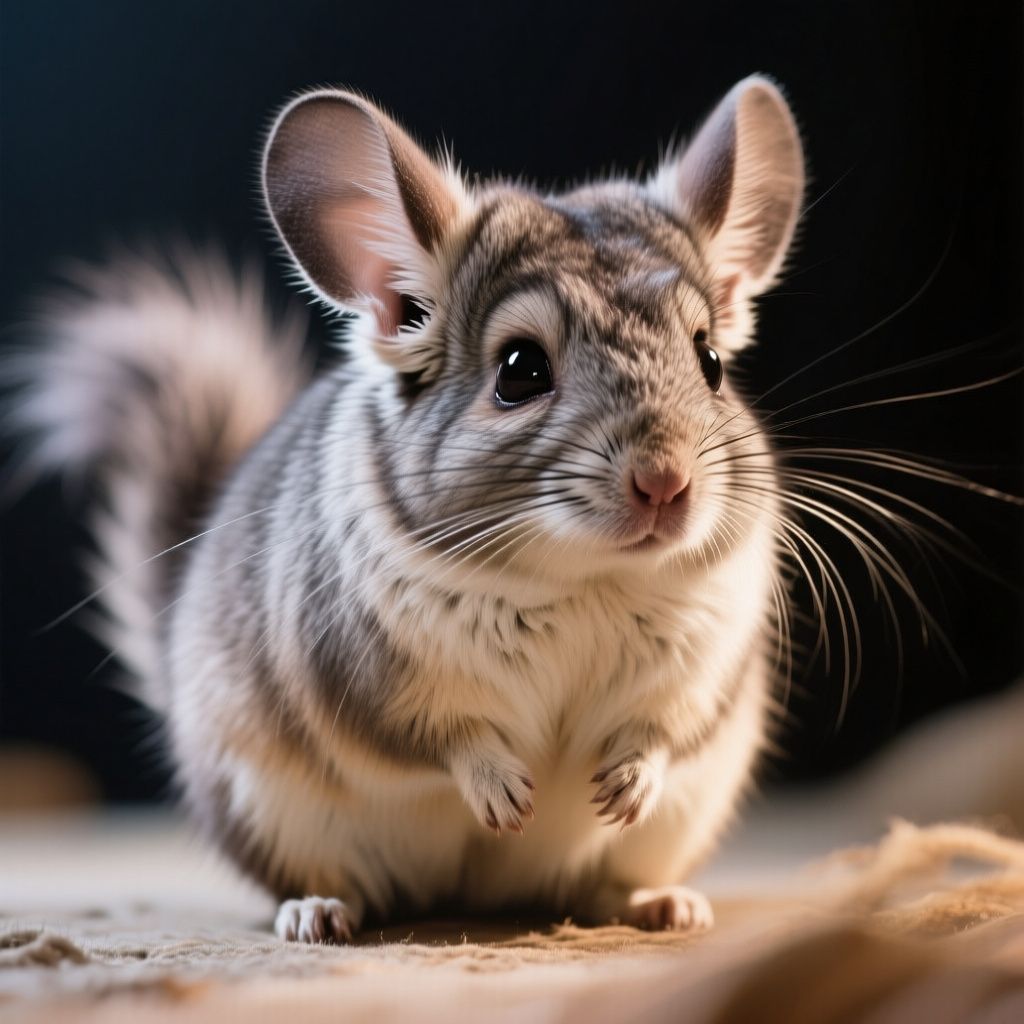
For chinchillas, coat color is one of the most visible genetic traits. The standard gray color, for example, is dominant, meaning a chinchilla only needs one copy of this gene to display that color. On the other hand, colors like white or sapphire are often recessive, requiring both gene copies to match for the color to appear. Understanding these patterns can help predict the possible outcomes of a litter if you’re breeding.
Common Coat Colors and Mutations
Chinchilla coat colors are a fascinating result of genetic mutations, and over the years, breeders have developed a variety of stunning shades through selective breeding. Here are some of the most common colors and their genetic basis:
- Standard Gray: The natural, wild-type color of chinchillas, dominant over most other colors.
- Beige: A recessive mutation that results in a creamy, tan-colored coat.
- Ebony: A mutation that darkens the fur, often giving a rich, velvety black appearance. It can be dominant or incomplete dominant depending on the pairing.
- Violet: A recessive mutation producing a soft, bluish-gray tone.
- Sapphire: Another recessive trait, creating a deep blue-gray coat.
- White: Often tied to the Wilson White mutation, this can be dominant and sometimes linked to health concerns like deafness.
Health and Genetic Concerns
Genetics isn’t just about appearance; it also affects a chinchilla’s health. Certain genetic conditions, such as malocclusion (misaligned teeth), can be hereditary and lead to lifelong dental issues. Approximately 20-30% of chinchillas may carry a genetic predisposition to this condition, so it’s vital to monitor their dental health and avoid breeding animals with known issues. Additionally, some coat color mutations, particularly those tied to the white gene, are associated with a higher risk of deafness or other complications.
As a pet owner, you can take steps to ensure your chinchilla’s well-being by researching their lineage if possible. When adopting or purchasing a chinchilla, ask breeders for health records or information about the parents’ traits. Regular vet checkups can also catch potential genetic issues early.
Practical Tips for Chinchilla Owners
Whether you’re breeding or simply caring for a pet chinchilla, here are some actionable tips to apply your genetics knowledge:
- Research Before Breeding: If you’re considering pairing chinchillas, study their coat colors and family history to avoid lethal gene combinations like double white. Use online chinchilla genetics calculators or consult with experienced breeders for guidance.
- Observe Your Chinchilla: Keep an eye on traits like fur quality or behavior that might hint at genetic conditions. For instance, difficulty chewing could signal dental issues.
- Avoid Overbreeding: Limit breeding to healthy, unrelated chinchillas to reduce the risk of passing on harmful traits. Overbreeding can amplify genetic problems in a population.
- Educate Yourself: Join chinchilla communities or forums to learn from other owners and breeders about specific color mutations and health concerns.
Why Genetics Matter to You
Even if you’re not planning to breed, understanding genetics helps you appreciate your chinchilla’s uniqueness and anticipate their needs. It equips you to make informed choices, whether you’re selecting a companion or ensuring their long-term health. Chinchillas typically live 10-15 years, and a little genetic insight can help you give them the best life possible. So, dive into the colorful world of chinchilla genetics—it’s a rewarding way to connect with your pet on a deeper level!