Introduction to Kit Care & Rearing
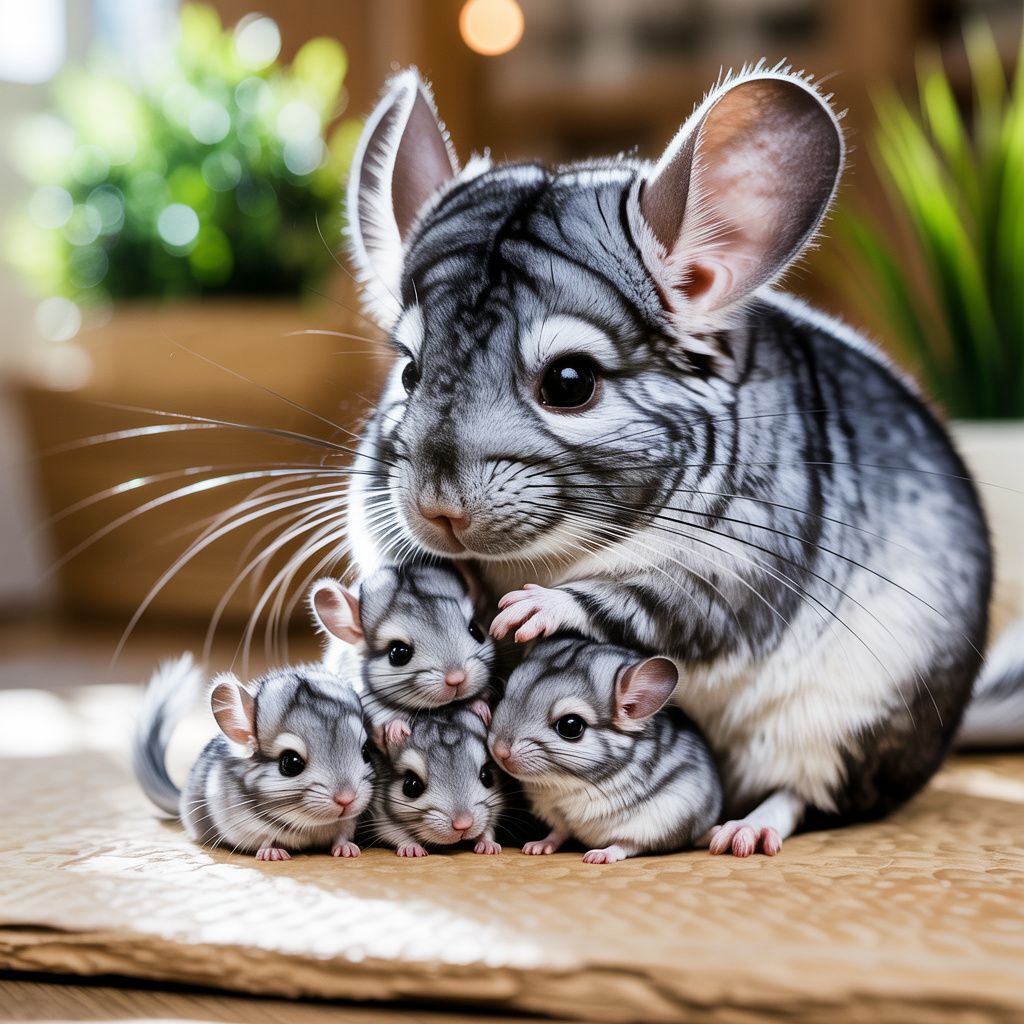
Ngabagéakeun kit chinchilla anyar (chinchilla orok) kana imah anjeun mangrupikeun pangalaman anu matak pikaresepeun sareng masihan. Kit chinchilla dilahirkeun kalayan bulu pinuh, panonna kabuka, sareng aktip pisan dina sababaraha jam saatos lahir. Nanging, aranjeunna masih rapuh sareng peryogi perawatan khusus pikeun mastikeun aranjeunna tumbuh janten dewasa anu séhat sareng bagja. Panduan ieu dirancang pikeun nu boga chinchilla piara anu bohong ngabudidaya chinchilla atanapi ngadopsi kit, nawarkeun naséhat praktis ngeunaan ngasuh bungkusan bulu leutik ieu. Perawatan anu leres dina tahap awal kahirupan penting pisan pikeun karaharjaan jangka panjangna, janten hayu urang nyelam kana poko-pokok perawatan sareng ngasuh kit.
Understanding Chinchilla Kits
Kit chinchilla dilahirkeun saatos periode gestation kira-kira 111 poé, anu teu biasa panjang pikeun rodénsia leutik. Ciri, hiji litter diwangun ku 1 nepi ka 3 kit, sanajan litter anu leuwih badag nepi ka 6 mungkin tapi langka. Dina kelahiran, kit beuratna antara 30 nepi ka 60 gram sareng ukuranana kira-kira sapertos beurit leutik. Beda jeung loba rodénsia séjén, kit chinchilla mangrupikeun precocial, hartosna aranjeunna relatif maju dina kelahiran sareng bisa gerak saatosna. Nanging, aranjeunna tetep gumantung kana indungna pikeun susu sareng kahaneutan salila 6 nepi ka 8 minggu kahirupan. Salila waktos ieu, aranjeunna ogé diajar kabiasaan sosial anu krusial ti kolotna, ngajadikeun penting pikeun ngurangan stress di lingkunganana.
Preparing for Kits
Upami anjeun ngabudidaya chinchilla, persiapan mangrupikeun konci pikeun mastikeun kasalametan sareng kaséhatan kit. Siapkan daérah nyarang anu sepi sareng aman pikeun indung sahenteuna saminggu saméméh tanggal lahir anu diarepkeun. Kotak leutik anu ditutup kalayan kasimpingan aspen anu lembut sareng teu aya debu cocog. Ulah make serutan pinus atanapi cedar, sabab minyak aromatikna tiasa ngaruksak sistem pernapasan kit anu sensitip. Pastikeun kandangna tahan kabur, sabab kit bisa nyusup ngaliwat celah leutik anu luar biasa. Jaga lingkungan dina suhu stabil 60-70°F (15-21°C), sabab chinchilla sensitip kana stress panas. Salajengna, siapkan dokter sato anu berpengalaman jeung sato héjo dina dial gancang dina kasus komplikasi salila lahir atawa perawatan awal.
Feeding and Nutrition
Pikeun 6 nepi ka 8 minggu kahiji, kit gumantung sakabéhna kana susu indungna, anu nyadiakeun gizi esensial sareng antibodi. Ulah nyobian weaning aranjeunna mimiti, sabab ieu bisa ngakibatkeun masalah kaséhatan. Upami kit yatima atanapi ditolak ku indungna, konsultasi dokter sato langsung pikeun naséhat ngeunaan tuang leungeun kalawan rumus khusus, kawas pengganti susu anak kucing, maké syringe atanapi dropper. Ulah susu sapi, sabab bisa nyababkeun gangguan pencernaan. Sabudeureun 3 nepi ka 4 minggu, kit bakal mimiti nibbling rumput jerami sareng pellet bari nyusuan. Sediakeun aksés tanpa wates ka rumput jerami timothy kualitas luhur sareng sakedik pellet khusus chinchilla pikeun ngarojong awakna anu tumuwuh. Cai seger, beresih kudu salawasna sadia ngaliwatan botol drip.
Health and Handling
Kit rapuh, janten watesan penanganan salila dua minggu kahiji pikeun ngahindarkeun stress indung atanapi nyeri bayi. Nalika anjeun ngagamanana, laksanakeun kalawan lemes kalawan leungeun beresih, ngarojong sakabéh awakna pikeun nyegah ragrag. Awaskeun tanda-tanda kasakit, kawas lemes, diare, atanapi kurangna naekna beurat—kit séhat kudu naek kira-kira 2-3 gram per poé pikeun sababaraha minggu kahiji. Jadwalkeun pamariksaan dokter sato sabudeureun 8 minggu pikeun mastikeun aranjeunna ngembang kalayan leres. Ogé, jaga daérah hirupna beresih ku spot-cleaning poéna sareng ngalaksanakeun bersih kandang pinuh mingguan pikeun nyegah akumulasi bakteri.
Socialization and Weaning
Kit chinchilla sacara alami penasaran sareng mangfaat ti sosialisasi lemes mimiti sabudeureun 4 minggu umur. Luhurkeun waktos deukeut kandangna, nyarios lemes pikeun ngabiasakeun aranjeunna kana ayana anjeun. Nepi ka 6 nepi ka 8 minggu, aranjeunna biasana weaning sareng bisa dipisahkeun ti indungna upami diperlukeun, sanajan sababaraha peternak nunggu nepi ka 10-12 minggu pikeun kematangan émosional. Upami ngajaga sababaraha kit babarengan, pastikeun aranjeunna boga rohangan ample (saolah-olah 2 méter kuadrat per chinchilla) pikeun ngahindarkeun sengketa teritorial nalika aranjeunna dewasa.
Final Thoughts
Ngabudidaya kit chinchilla merlukeun kasabaran, dedikasi, sareng panon anu aktif pikeun kabutuhanana. Ku nyadiakeun lingkungan aman, gizi leres, sareng stress minimal, anjeun nujungeun pondasi pikeun kahirupan séhat. Inget yén unggal kit unik, janten awaskeun kabiasaanana caket sareng adaptasi perawatan upami diperlukeun. Kalawan pendekatan anu leres, anjeun bakal nikmat ningali mahluk lucu ieu tumuwuh janten pendamping anu sumringah, lincah.