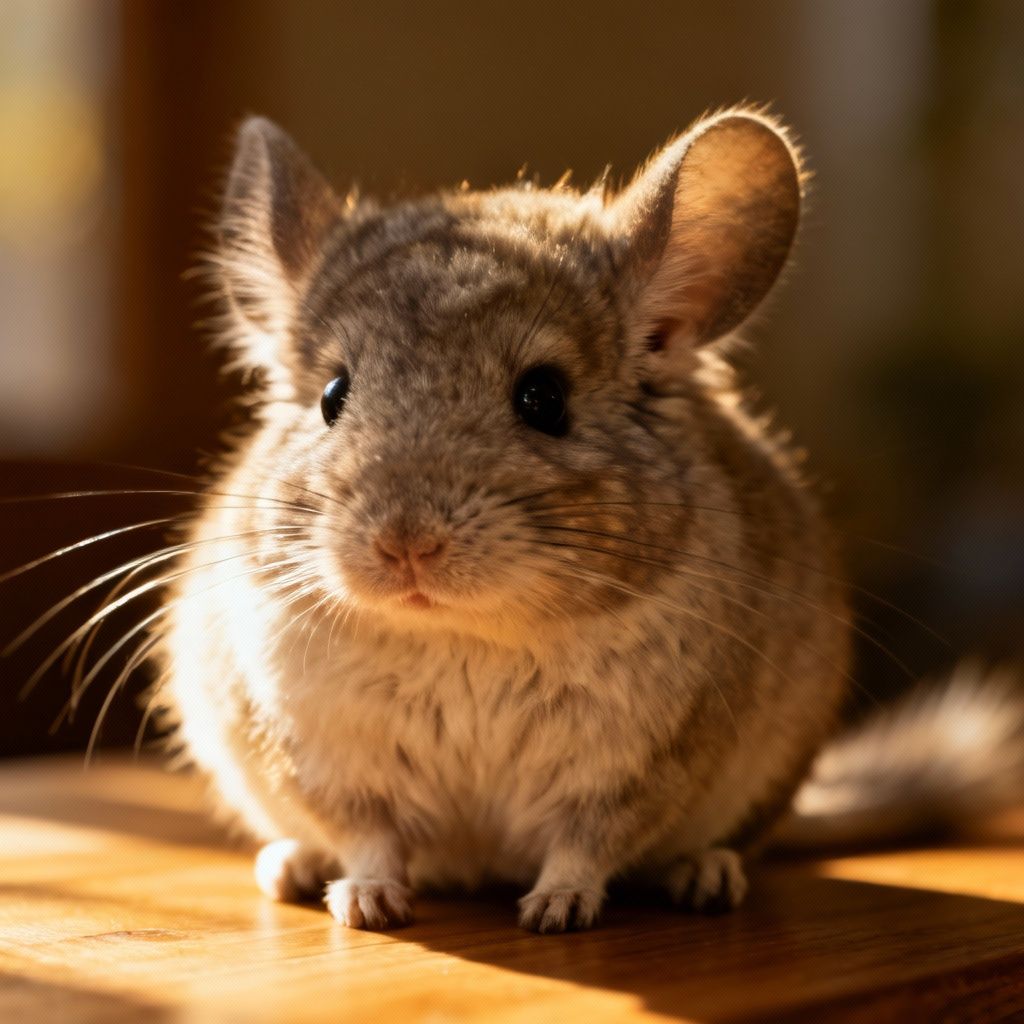
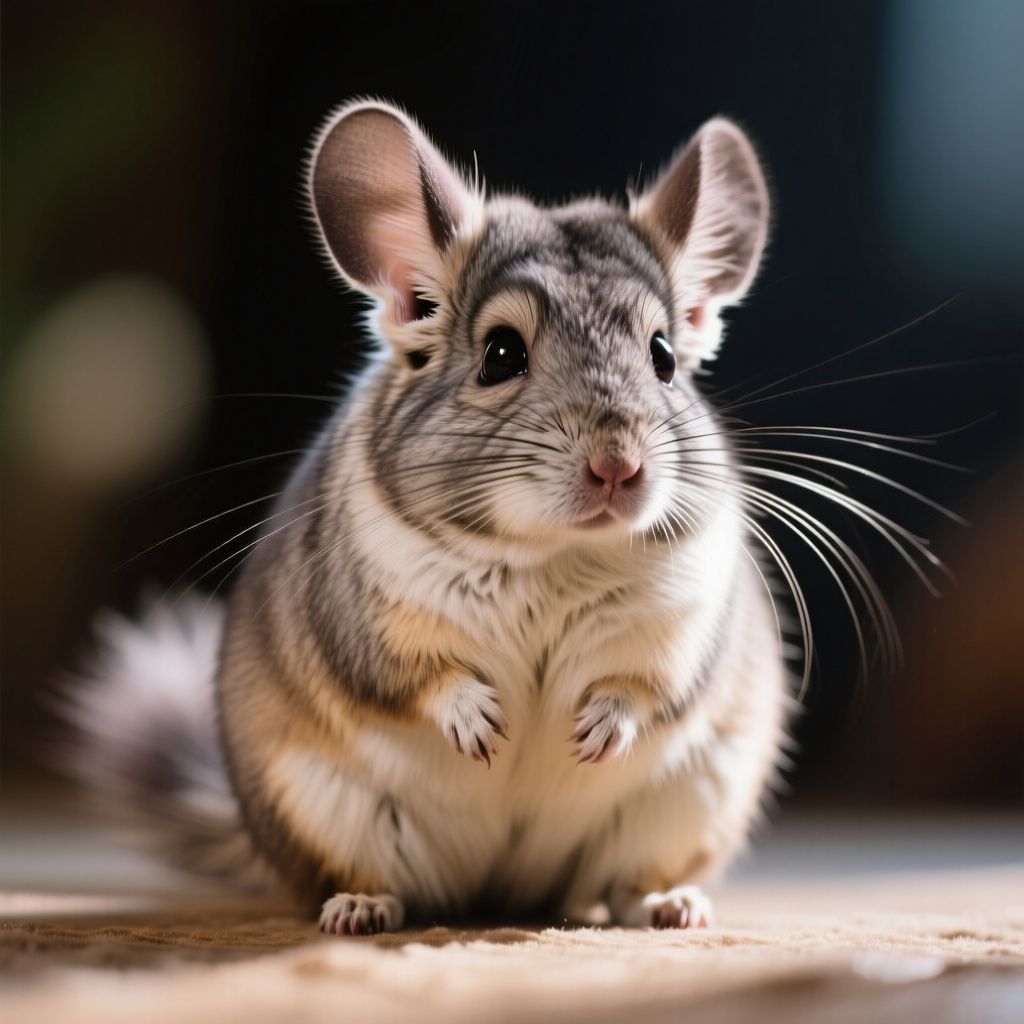
Razumevanje poroda pri činčilah
Sprejemanje novih činčiljih mladičev na svet je lahko vznemirljiva, a hkrati napeta izkušnja za lastnike hišnih ljubljenčkov. Činčile, majhni glodavci, ki izvirajo iz Andskih gora, imajo edinstvene reproduktivne navade in potrebe med porodom. Razumevanje procesa in ustrezna priprava lahko pomagata zagotoviti gladko rojstvo za vašo činčilo in zdravje tako matere kot njenih mladičev. Ta vodnik vas bo vodil skozi bistvene vidike poroda pri činčilah in ponuja praktične nasvete za podporo vašemu hišnemu ljubljenčku.
Gestacijsko obdobje in znaki nosečnosti
Činčile imajo relativno dolgo gestacijsko obdobje v primerjavi z drugimi majhnimi glodavci, v povprečju med 105 in 115 dnevi – približno 3,5 do 4 mesece. To razširjeno obdobje pomeni, da imajo lastniki pogosto čas za pripravo, ko sumijo na nosečnost. Vendar činčile ne kažejo vedno očitnih znakov nosečnosti. V kasnejših fazah boste morda opazili rahlo povečanje telesne mase ali rahlo zaokroženje trebuha, vendar lahko vedenjske spremembe, kot je povečano gnezdarjenje ali razdražljivost, služijo kot namigi. Če sumite, da je vaša činčila noseča, se posvetujte z veterinarjem, ki ima izkušnje z eksotičnimi živalmi, za potrditev, saj lahko pogosto otipa ali uporabi slikovne metode za preverbo.
Praktičen nasvet je sledenje morebitnim datumom parjenja, če imate skupaj nameščenega samec in samico. To lahko pomaga napovedati, kdaj bo prišlo do poroda. Prav tako se v pozni nosečnosti izogibajte pretirani rokovanju činčile, da zmanjšate stres, ki lahko vpliva na zdravje matere.
Priprava na porod
Priprava je ključna za podporo vaši činčili med porodom. Najprej poskrbite, da je okolje v kletki mirno in varno. Zagotovite dodatno mehko posteljnino, kot je seno ali zdrobljen papir, za gnezdarjenje – činčile pogosto zgradijo udoben prostor za svoje mladiče. Kletko postavite v tiho območje, stran od glasnih zvokov ali nenadnih motenj. Ohranite stabilno temperaturo med 15-21°C (60-70°F), saj ekstremna vročina ali mraz lahko mater obremenita.
Izogibajte se ločevanju povezanega para, razen če pride do agresije, saj lahko samec po rojstvu včasih pomaga pri negi in zaščiti mladičev. Naložite zaloge osnovnih potrebščin, kot so sveža voda, visokokakovostno seno in peleti, saj bo mati potrebovala dodatno prehrano. Prav tako je pametno imeti pri roki kontaktne podatke veterinarja v primeru zapletov, saj porodi pri činčilah včasih zahtevajo poseganje.
Proces poroda
Porod pri činčilah je običajno hiter, pogosto traja le 1–2 uri, večina mater pa rodi brez pomoči. Legla običajno obsegajo od 1 do 3 mladiče, čeprav je mogočnih do 6. Rojstva se pogosto zgodijo zgodaj zjutraj ali pozno zvečer, ko so činčile najbolj aktivne. Opazili boste lahko, da mati postaja nemirna, pretirano čisti ali se napreza med kontrakcijami. Mladiči se rodijo popolnoma poraščeni, z odprtimi očmi in zobmi, teža vsakega pa je približno 30–50 gramov (1–2 unči). Neverjetno so neodvisni in se lahko kmalu po rojstvu gibajo.
Kot lastnik se upirajte želji po vmešavanju, razen če je očiten problem, kot je mladič, ki je obtičal med rojstvom, ali mati kaže ekstremno stisko. Če porod traja več kot nekaj ur ali mati deluje šibko, takoj pokličite veterinarja. Distocija (težaven porod) je pri činčilah redka, a resna.
Oskrba matere in mladičev po porodu
Po rojstvu mati in mladiče opazujte iz distance, da zagotovite, da se navezujejo in sesajo. Mati bo očistila mladiče in pojedla posteljico, kar je normalno vedenje, ki zagotavlja esencialne hranilne snovi. Poskrbite, da ima stalni dostop do hrane in vode, saj dojenje zahteva dodatno energijo. Izogibajte se rokovanju mladičev v prvem tednu, da preprečite stres ali zavrnitev s strani matere, čeprav jih lahko vsak dan tehtate z majhno tehtnico, da potrdite, da pridobivajo približno 2–3 grame na dan.
Bodite pozorni na znake bolezni pri materi, kot sta letargija ali pomanjkanje apetita, saj se lahko pojavijo poporodne zaplete. Mladiči naj ostanejo pri materi vsaj 6–8 tednov pred odstavitvijo, da zagotovite pravilen razvoj in socializacijo. V tem času zagotovite prho s peskom za mater, da ohrani dlako, vendar jo držite stran od mladičev, dokler niso starejši.
Zaključne misli
Porod pri činčilah je pogosto preprost, vendar lahko priprava in opazovanje naredita vso razliko. Z ustvarjanjem podpornega okolja, diskretnim spremljanjem procesa in poznavanjem, kdaj poiskati veterinarsko pomoč, lahko pomagate, da bo vaša činčilja družina uspevala. Če ste novi v vzreji, se posvetujte z izkušenimi vzreditelji ali veterinarjem, da izveste več o oskrbi činčil v tem posebnem obdobju. Vaša pozornost in skrb bosta zagotovili srečen, zdrav začetek za nove mladiče!