Understanding Dust Bath Frequency for Chinchillas
Chinchillas are delightful, fluffy pets known for their soft fur and playful personalities. A key part of their care routine is providing dust baths, which are essential for maintaining their coat's health. Unlike water baths, which can harm their fur by stripping natural oils, dust baths help chinchillas clean themselves by absorbing excess oils and dirt. But how often should your chinchilla have a dust bath? Understanding the right frequency is crucial to keeping your pet healthy and comfortable.
Why Dust Baths Are Essential
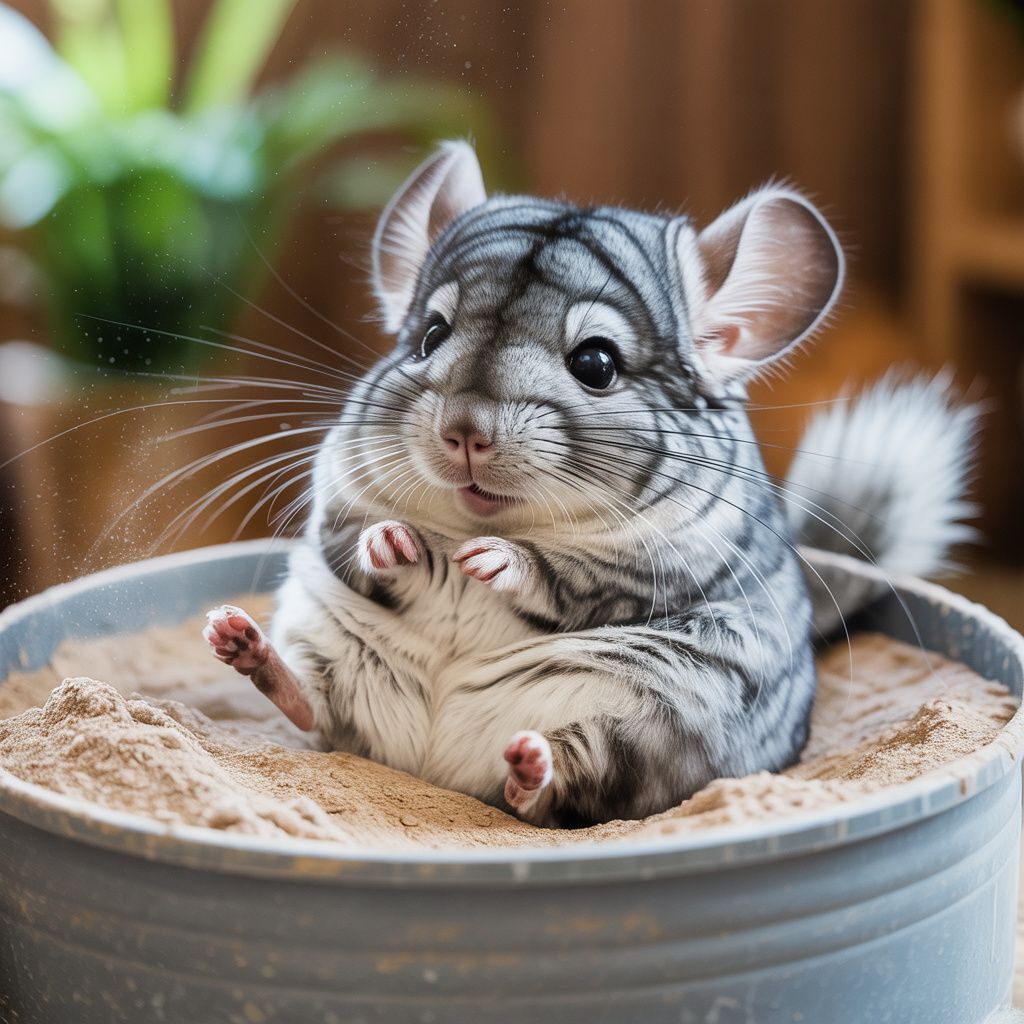
Chinchillas originate from the arid Andes Mountains, where they naturally roll in volcanic ash to clean their dense fur. Their fur, which can have up to 60 hairs per follicle, is incredibly thick and can trap moisture if not properly maintained. Dust baths mimic their natural grooming behavior, preventing matting and keeping their coat soft and shiny. Without regular dust baths, a chinchilla’s fur can become greasy, leading to skin irritations or even fungal infections. Additionally, dust baths provide mental stimulation, as chinchillas enjoy rolling and flipping in the dust.
Recommended Dust Bath Frequency
For most chinchillas, offering a dust bath 2 to 3 times per week is ideal. Each session should last about 10 to 15 minutes, giving your pet enough time to thoroughly clean itself without overdoing it. Over-bathing can dry out their skin and fur, as the dust absorbs natural oils that are necessary for coat health. Conversely, under-bathing can lead to oil buildup and discomfort. Monitor your chinchilla’s fur condition—if it looks greasy or matted, you may need to increase frequency slightly, but avoid daily baths unless advised by a veterinarian.
The frequency can also depend on environmental factors. In humid climates, chinchillas may need more frequent baths—closer to 3 times per week—to prevent moisture buildup in their fur. In drier climates, 1 to 2 times per week may suffice. Always observe your pet’s behavior and coat to adjust as needed.
Practical Tips for Dust Bathing
Here are some actionable tips to ensure your chinchilla’s dust bath routine is safe and effective:
- Use the Right Dust: Only use chinchilla-specific bathing dust, which is made from finely ground volcanic ash or pumice. Never use sand, as it’s too coarse and can irritate their skin or eyes. Popular brands like Oxbow or Kaytee are widely available and trusted.
- Choose a Suitable Container: Provide a dust bath house or a deep, stable bowl with at least 2-3 inches of dust. Ensure the container is large enough for your chinchilla to roll around comfortably but won’t tip over easily.
- Limit Bath Time: After 10-15 minutes, remove the dust bath from the cage to prevent overuse or mess. Chinchillas can scatter dust everywhere, so placing the bath in a contained area during the session helps with cleanup.
- Keep Dust Fresh: Replace the dust every 1-2 weeks or sooner if it looks dirty or clumpy. Reusing dusty or soiled dust can introduce bacteria to your pet’s fur.
- Watch for Over-Bathing Signs: If your chinchilla’s skin appears dry or flaky, or if they seem irritated, reduce the frequency of baths and consult a vet if symptoms persist.
Special Considerations
Some chinchillas may have unique needs. For instance, if your pet has a medical condition like a skin infection, your vet may recommend a temporary halt to dust baths or a modified schedule. Pregnant or nursing chinchillas might also benefit from slightly less frequent baths to avoid stress. Additionally, if you have multiple chinchillas, ensure each one has access to the bath without competition, as stress can affect their grooming habits.
Final Thoughts
Finding the right dust bath frequency for your chinchilla is all about balance and observation. Stick to the general guideline of 2-3 times per week, adjust based on your pet’s needs and environment, and always prioritize their comfort. With the right care, your chinchilla will enjoy a clean, healthy coat and the fun of rolling around in their dust bath. Keep an eye on their behavior and fur condition, and don’t hesitate to reach out to a veterinarian if you’re unsure about their grooming needs. Happy chinchilla parenting!