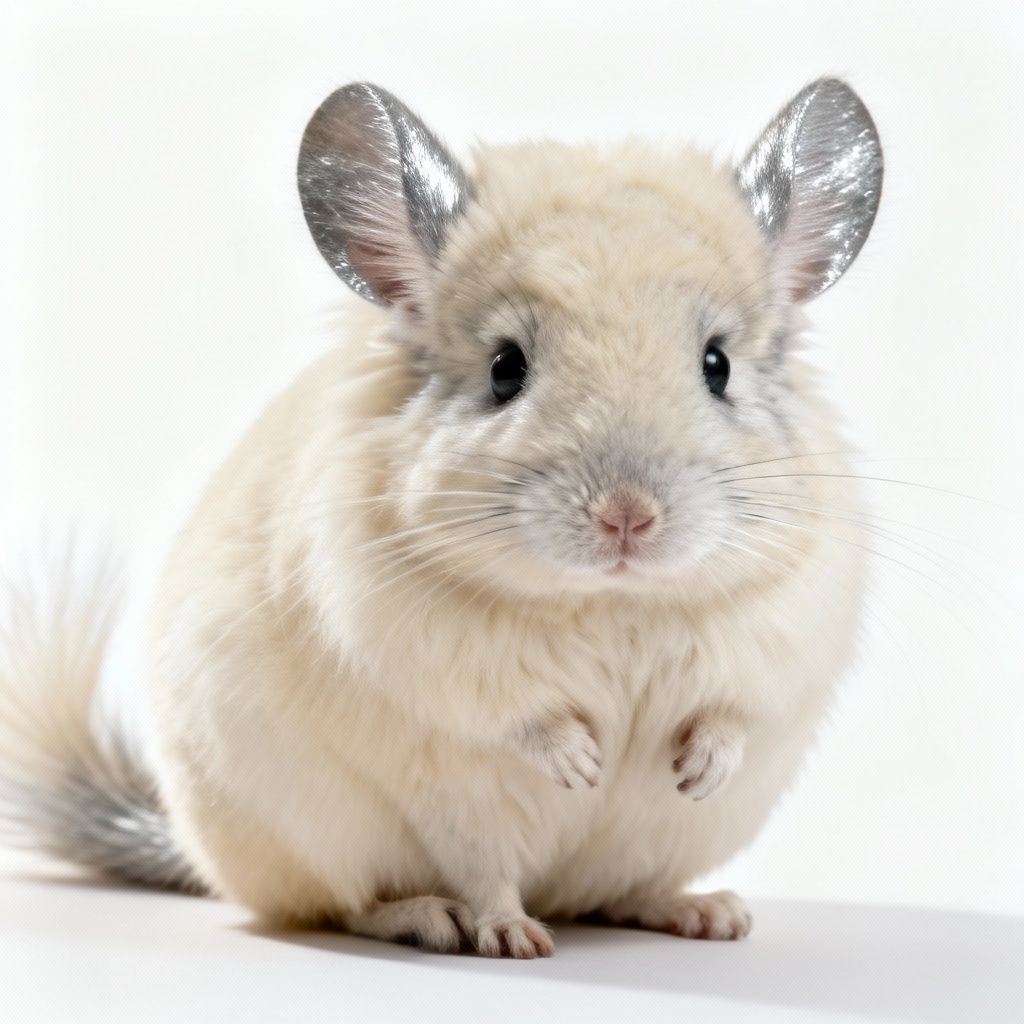
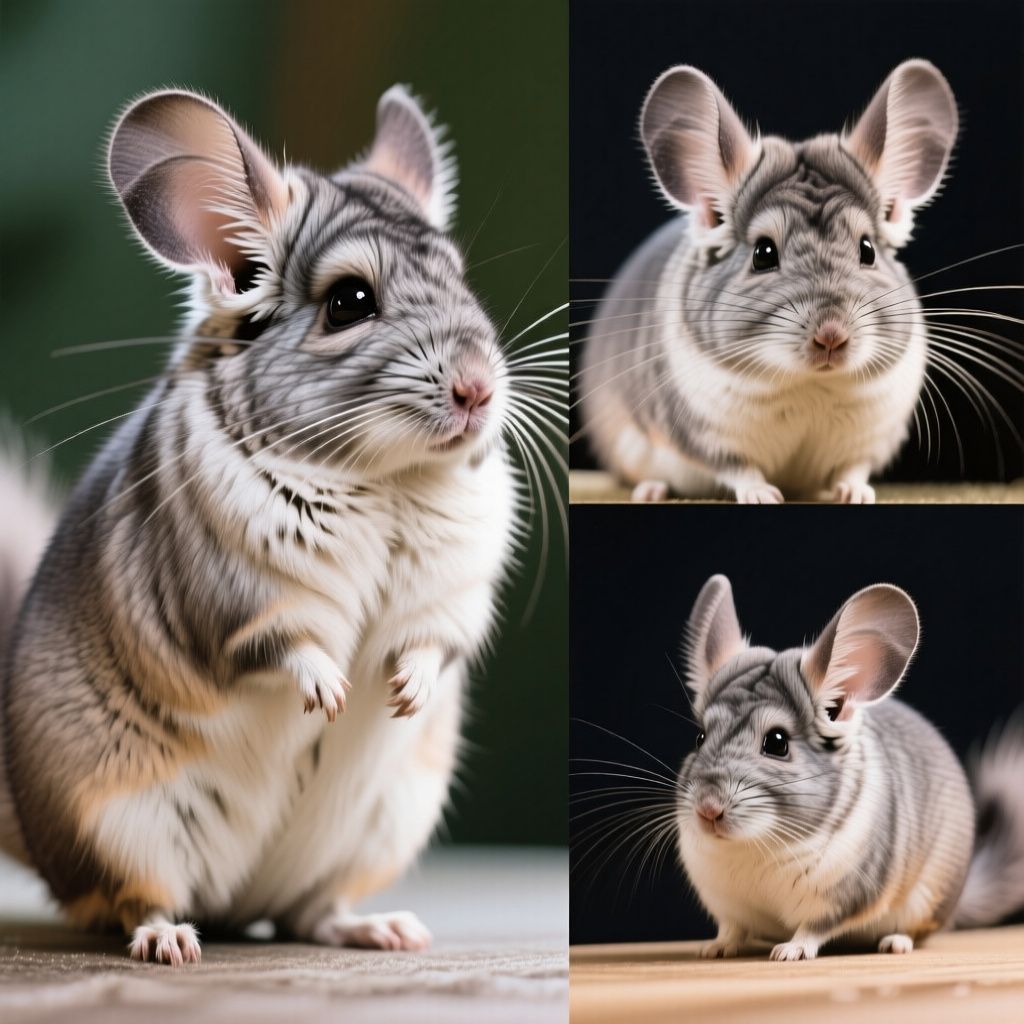
مقدمهای بر کوتاه کردن ناخن و آرایش برای Chinchilla
مراقبت از chinchilla بیش از فقط فراهم کردن یک زیستگاه راحت و رژیم غذایی سالم است—همچنین به معنای توجه به نیازهای آرایشی آنها، به ویژه کوتاه کردن ناخن است. Chinchillaها موجودات کوچک فعالی با پاهای ظریف هستند و ناخنهای بلند میتواند منجر به ناراحتی، آسیب یا حتی مشکلات سلامتی مانند pododermatitis (bumblefoot) شود. در حالی که chinchillaها معمولاً groomerهای خودآراسته دقیقی هستند، آنها به صاحبانشان وابستهاند تا به نگهداری ناخنهایشان کمک کنند. این مقاله شما را از طریق اصول کوتاه کردن ناخن و آرایش راهنمایی میکند تا chinchilla شما شاد و سالم بماند.
چرا کوتاه کردن ناخن مهم است
ناخنهای chinchillaها به طور مداوم رشد میکنند، درست مانند ناخنهای دست انسان. در طبیعت وحشی، آنها ناخنهایشان را با دویدن و بالا رفتن روی سطوح خشن به طور طبیعی کوتاه میکنند. با این حال، در اسارت، بسیاری از chinchillaها به سطوح ساینده کافی دسترسی ندارند تا ناخنهایشان را در طول سالم نگه دارند. ناخنهای بلند میتواند زیر بپیچد و باعث درد، مشکل در راه رفتن یا حتی عفونت شود اگر بشکنند یا گیر کنند. کوتاه کردن منظم ناخن، معمولاً هر ۴-۶ هفته بسته به سطح فعالیت و محیط chinchilla شما، از این مشکلات جلوگیری میکند و پاهای آنها را در بهترین حالت نگه میدارد.
فراتر از ناخنها، آرایش برای chinchillaها عمدتاً بر نظارت بر خز آنها تمرکز دارد. Chinchillaها خز فوقالعاده متراکی دارند—تا ۸۰ مو در هر فولیکول، یکی از متراکمترین پوششها در پادشاهی حیوانات! آنها خود را از طریق حمام گرد و غبار تمیز نگه میدارند، بنابراین حمام با آب کاملاً ممنوع است زیرا میتواند منجر به پوسیدگی خز یا عفونتهای قارچی شود. نقش شما به عنوان صاحب، حمایت از عادتهای آرایش طبیعی آنها و فقط در صورت لزوم مداخله است.
چگونه ناخنهای Chinchilla خود را کوتاه کنید
کوتاه کردن ناخنهای chinchilla در ابتدا ممکن است ترسناک به نظر برسد، اما با صبر و رویکرد درست، کاری قابل مدیریت است. در اینجا نحوه انجام ایمن آن آمده است:
- جمعآوری وسایل: از قیچی ناخن حیوانات کوچک یا قیچی ناخن نوزادان انسانی برای دقت استفاده کنید. پودر styptic یا نشاسته ذرت را در نزدیکی نگه دارید در صورتی که به طور تصادفی خیلی نزدیک به quick (رگ خونی داخل ناخن) ببرید. یک حوله آماده داشته باشید تا chinchilla خود را به آرامی بپیچید برای مهار در صورت نیاز.
- امن کردن Chinchilla: حیوان خانگی خود را به آرامی اما محکم نگه دارید، یا از یک کمککننده بخواهید کمک کند. پیچیدن آنها در حوله میتواند به کاهش استرس و جلوگیری از حرکات ناگهانی کمک کند. همیشه با آرامش با آنها برخورد کنید تا شوکه نشوند.
- شناسایی Quick: ناخنهای chinchilla اغلب روشنرنگ هستند و quick به صورت خط صورتی قابل مشاهده است. فقط نوک تیز را ببرید و ۱-۲ میلیمتر فاصله از quick نگه دارید تا از خونریزی جلوگیری شود.
- کوتاه کردن تدریجی: قطعات کوچک را هر بار ببرید و پس از هر برش چک کنید. اگر مطمئن نیستید، بهتر است کمتر ببرید و چند روز بعد دوباره بررسی کنید تا بیش از حد نبرید.
- پاداش دادن: پس از کوتاه کردن، یک جایزه کوچک مانند تکهای یونجه یا مقدار کمی غلات ساده و بدون شکر عرضه کنید تا تجربه مثبت شود.
حمایت از ساییدگی طبیعی ناخن
برای کاهش دفعات کوتاه کردن، فرصتهایی برای ساییدگی طبیعی ناخن فراهم کنید. اقلام با بافت خشن را به قفس آنها اضافه کنید، مانند سنگهای پومیس، لبههای lava یا perchهای چوبی. این سطوح محیطهای سایندهای را که chinchillaها در طبیعت وحشی با آن روبرو میشوند، تقلید میکنند. فعالیت را با اطمینان از فضای کافی برای پریدن و بالا رفتن در زیستگاه تشویق کنید—chinchillaها میتوانند تا ۶ فوت بالا بپرد، بنابراین فضای عمودی کلیدی است! فقط مطمئن شوید که همه اقلام chinchilla-safe هستند و بدون لبههای تیز که بتوانند پاهای ظریف آنها را آسیب بزنند.
آرایش فراتر از ناخنها
در حالی که مراقبت از ناخن حیاتی است، بر آرایش کلی chinchilla خود نظارت کنید. خز آنها باید پفدار و تمیز به نظر برسد به لطف حمامهای گرد و غبار منظم (۲-۳ بار در هفته به مدت حدود ۱۰-۱۵ دقیقه هر جلسه). از پودر گرد و غبار مخصوص chinchilla استفاده کنید، زیرا روغنها را جذب میکند بدون آسیب به خز. اگر خز درهم، لکههای طاس یا خارش بیش از حد مشاهده کردید، ممکن است نشاندهنده استرس، انگلها یا مشکل سلامتی باشد—فوراً با دامپزشک مشورت کنید.
همچنین، پاهای آنها را برای زخم یا قرمزی در طول کوتاه کردن ناخن چک کنید. Chinchillaها مستعد pododermatitis هستند اگر کف قفس خیلی سخت یا سیمدار باشد. از بستر جامد و نرم مانند تراشههای aspen یا linerهای fleece برای محافظت از پنجههایشان استفاده کنید.
نکات نهایی برای موفقیت
ثبات و صبر کلید موفقیت در کوتاه کردن ناخن و آرایش است. از وقتی chinchilla شما جوان است، پاهای آنها را به طور منظم لمس کنید تا به فرآیند عادت کنند. همیشه در فضایی آرام و با نور خوب کار کنید تا استرس را به حداقل برسانید. اگر quick را برید و خونریزی رخ داد، وحشت نکنید—پودر styptic یا نشاسته ذرت را اعمال کنید تا متوقف شود و برای عفونت نظارت کنید. در نهایت، به یاد داشته باشید که هر chinchilla منحصر به فرد است؛ برخی ممکن است نیاز به کوتاه کردن مکررتر داشته باشند، پس نیازهای حیوان خانگی خود را مشاهده کنید و تنظیم کنید. با این Practices، به chinchilla خود کمک میکنید تا برای طول عمر ۱۵-۲۰ سالهاش راحت و فعال بماند!