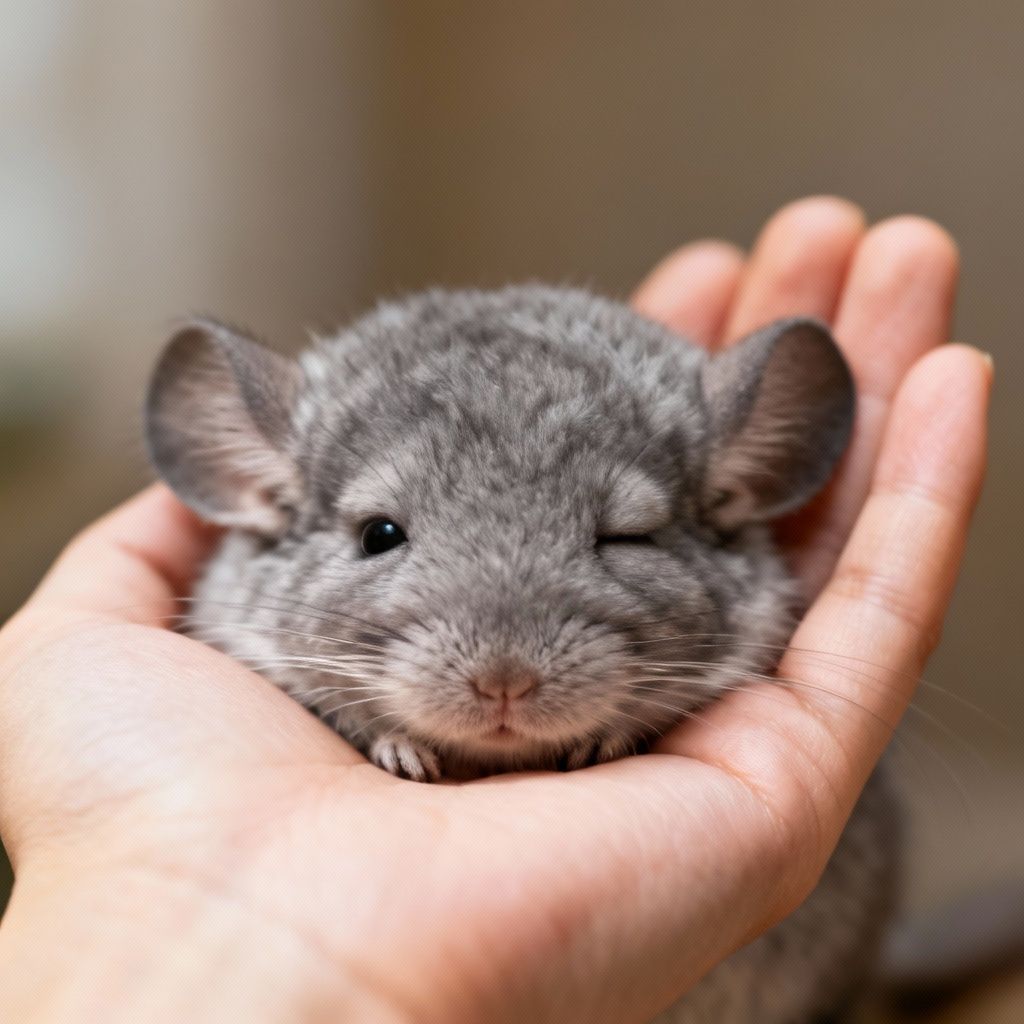
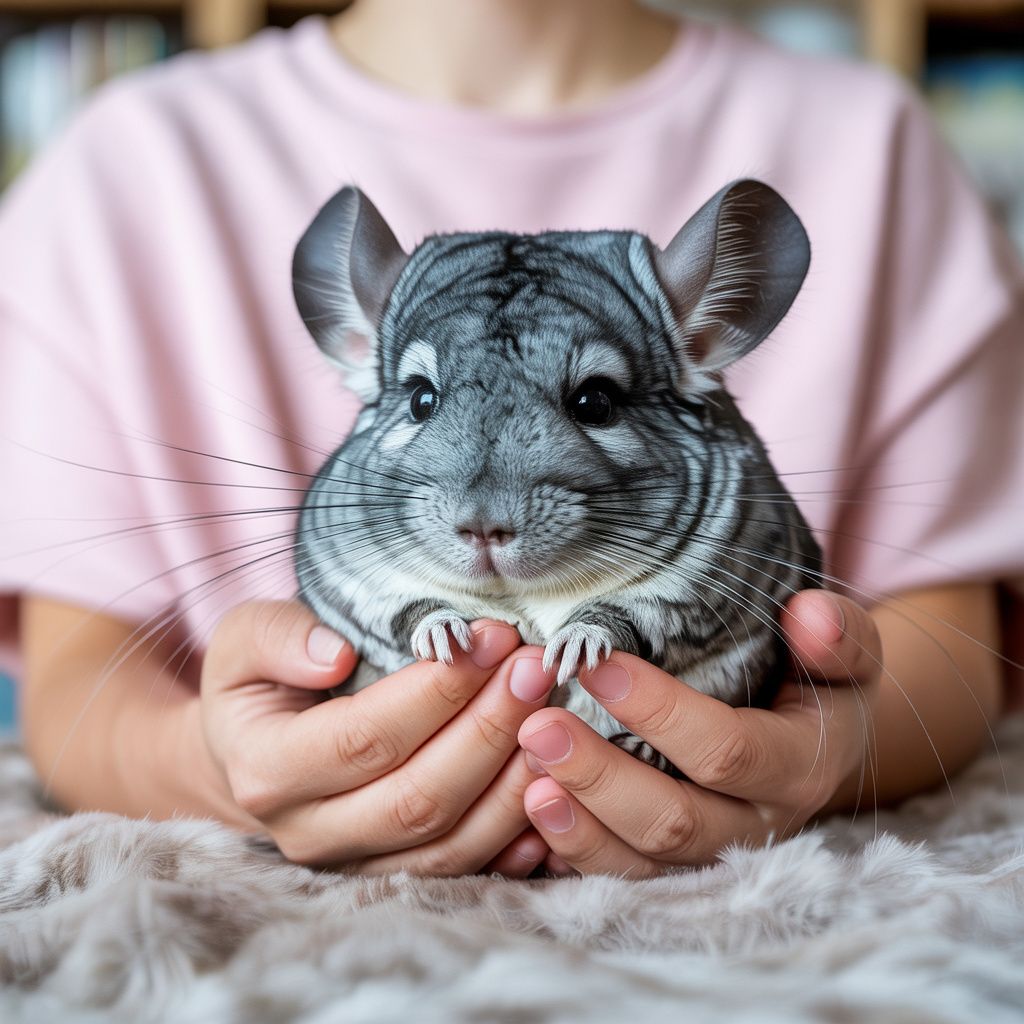
Handling your chinchilla can be a wonderful way to bond with your pet, but it requires care and attention to their specific needs. Chinchillas are gentle, social animals that thrive on interaction, but they are also delicate and can be easily injured if not handled properly. With the right approach, you can help your chinchilla feel comfortable and secure, making handling a positive experience for both you and your pet.
Preparing for Handling
Before you start handling your chinchilla, make sure you have a safe and comfortable environment. Choose a quiet, draft-free area where your chinchilla can feel secure. Remove any loose jewelry or accessories that could potentially harm your pet. Wash your hands thoroughly before and after handling your chinchilla to prevent the transfer of bacteria and germs. It's also essential to get your chinchilla used to your presence and voice before handling them. Spend time sitting near their cage, talking to them, and offering treats to help them become familiar with you.
Handling Techniques
When handling your chinchilla, it's crucial to support their body and lift them carefully. Chinchillas have a unique skeletal system, with a fragile spine and joints, so it's essential to avoid bending or twisting them. To lift your chinchilla, place one hand under their chest and the other under their hindquarters, making sure to support their body evenly. Avoid picking them up by their ears, tail, or legs, as this can cause injury. Start with short handling sessions, around 5-10 minutes, and gradually increase the time as your chinchilla becomes more comfortable.
Tips for Safe Handling
To ensure safe handling, follow these practical tips:
* Handle your chinchilla gently and carefully, avoiding sudden movements or loud noises.
* Keep your chinchilla away from other pets, especially dogs and cats, which can be a threat to their safety.
* Monitor your chinchilla's behavior and body language, watching for signs of stress or discomfort, such as fur standing on end, hiding, or attempting to bite.
* Avoid handling your chinchilla when they are sleeping, eating, or in a stressful situation.
* Provide a safe and secure area for your chinchilla to play and exercise outside of their cage, such as a chinchilla-proofed room or a large, escape-proof enclosure.
Health Considerations
Chinchillas are prone to certain health issues, such as respiratory problems and heat stress, which can be exacerbated by improper handling. Make sure to keep your chinchilla in a well-ventilated area, with a temperature range of 60-75°F (15-24°C) and humidity levels below 60%. Avoid handling your chinchilla in extreme temperatures or during peak heat hours. If you notice any signs of illness or stress, such as labored breathing, lethargy, or loss of appetite, seek veterinary attention immediately.
Conclusion
Handling your chinchilla can be a rewarding and enjoyable experience, but it requires attention to their specific needs and careful handling techniques. By following these guidelines and tips, you can help your chinchilla feel comfortable and secure, promoting a strong bond between you and your pet. Remember to always prioritize your chinchilla's safety and well-being, and seek professional advice if you have any concerns or questions about handling your pet. With patience, care, and attention, you can develop a lifelong friendship with your chinchilla.