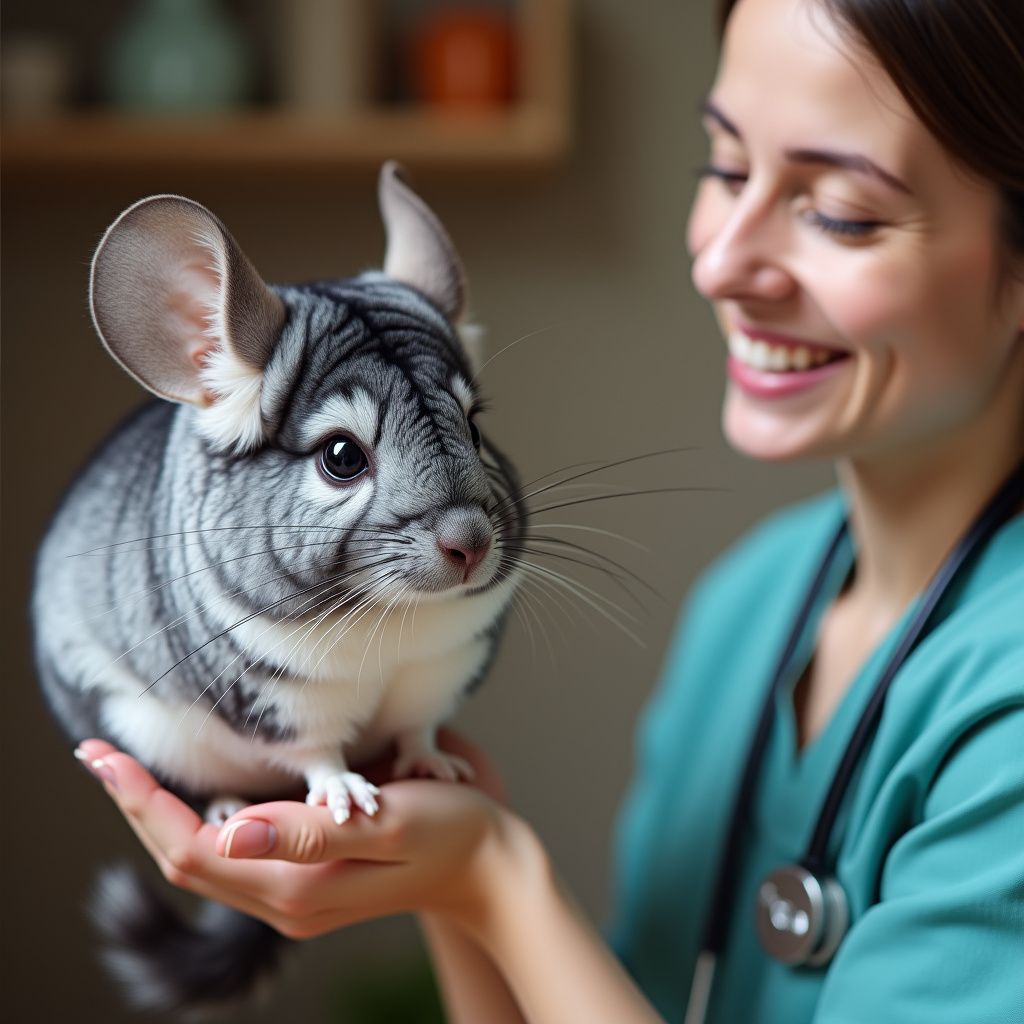
مقدمهای بر نگهداری از Chinchilla به عنوان حیوان خانگی
Chinchilla ها همراهان ناز و پشمالویی هستند که نیازهای منحصربهفردی دارند و نیازمند توجه دقیق، بهویژه زمانی که از خانه دور هستید. به عنوان صاحب یک chinchilla، یافتن یک pet sitter قابل اعتماد یا آماده کردن کسی برای مراقبت از حیوان خانگیتان، برای تضمین سلامت و شادی آنها ضروری است. Chinchilla ها نسبت به تغییرات در محیط، رژیم غذایی و روتین حساس هستند، بنابراین برنامهریزی مناسب و ارتباط با pet sitter کلیدی است. این راهنما مشاورهها و نکات عملی ارائه میدهد تا به شما و pet sitter کمک کند بهترین مراقبت را از chinchilla شما در غیابتان فراهم کنید.
درک نیازهای Chinchilla
Chinchilla ها حیوانات crepuscular هستند، به این معنا که در سحرگاه و غروب بیشترین فعالیت را دارند. آنها به محیطی خنک و آرام با دمای بین ۶۰-۷۰°F (۱۵-۲۱°C) نیاز دارند تا از گرمازدگی جلوگیری شود، زیرا در دماهای بالای ۷۵°F (۲۴°C) مستعد heatstroke هستند. رژیم غذایی آنها عمدتاً از یونجه باکیفیت بالا مانند timothy hay تشکیل شده که باید همیشه در دسترس باشد، همراه با مقدار کمی pellets مخصوص chinchilla (حدود ۱-۲ قاشق غذاخوری روزانه). آب تازه باید در بطری قطرهای فراهم شود و treats باید محدود شود تا از مشکلات گوارشی جلوگیری گردد.
Chinchilla ها همچنین به حمام گرد و غبار منظم نیاز دارند تا خز آنها تمیز و سالم بماند—ظرف حمام گرد و غبار با dust ایمن برای chinchilla را برای ۱۰-۱۵ دقیقه، ۲-۳ بار در هفته ارائه دهید. علاوه بر این، آنها به قفسی جادار (حداقل ۳ فوت ارتفاع و عرض) با سکوهایی برای پریدن و مواد جویدنی مانند اسباببازیهای چوبی برای حفظ سلامت دندانها نیاز دارند. درک این نیازها به pet sitter ها کمک میکند مراقبتی مشابه آنچه شما فراهم میکنید، تکرار کنند.
آمادهسازی برای Pet Sitter
قبل از رفتن، یک برگه مراقبت دقیق برای pet sitter تهیه کنید. روتین روزانه chinchilla خود را فهرست کنید، شامل زمانهای غذا، برنامه حمام گرد و غبار و هر رفتار خاصی که باید مراقب آن باشید، مانند کاهش اشتها یا بیحالی که میتواند نشانه بیماری باشد. اندازهگیری دقیق порций غذا را ارائه دهید و مطمئن شوید که مقادیر کافی (یونجه، pellets، dust) برای مدت غیابتان به علاوه مقداری اضافی در صورت تأخیر دارید. تمام اقلام را واضح برچسبگذاری کنید و به sitter نشان دهید همه چیز کجا ذخیره شده است.
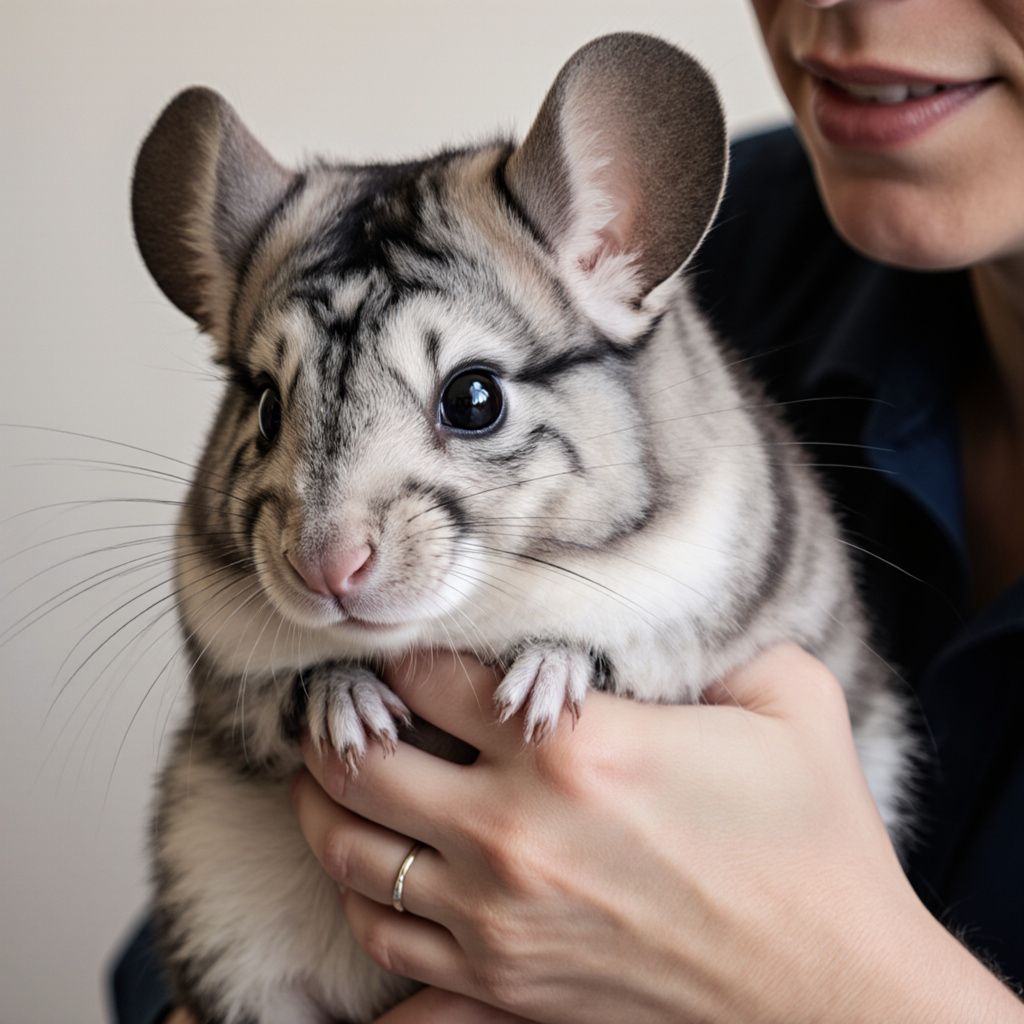
اگر ممکن است، chinchilla خود را از قبل به sitter معرفی کنید، زیرا این حیوانات در برابر غریبهها خجالتی هستند. نحوه دست زدن ملایم به آنها را نشان دهید و بدنشان را حمایت کنید تا از استرس یا آسیب جلوگیری شود. اگر chinchilla شما دارو مصرف میکند، دوز و روش تجویز را توضیح دهید و اطلاعات تماس دامپزشک را برای مواقع اضطراری بگذارید. در نهایت، مطمئن شوید قفس در مکانی امن و آرام دور از باد، نور مستقیم خورشید و صداهای بلند قرار دارد.
نکات مراقبت روزانه برای Pet Sitter ها
برای pet sitter ها، حفظ ثبات حیاتی است. به برنامه غذایی ارائهشده توسط صاحب پایبند باشید و یونجه نامحدود و مقدار مشخص pellets را هر روز ارائه دهید. بطری آب را روزانه چک کنید تا تمیز و عملکردی باشد—chinchilla ها بدون دسترسی به آب سریع کمآب میشوند. بستر کثیف قفس را روزانه جمع کنید تا محیط بهداشتی بماند، اما از تمیز کردن کامل قفس خودداری کنید مگر اینکه دستور داده شده باشد، زیرا تغییرات ناگهانی آنها را استرسزده میکند.
اگر صاحب اجازه دهد، زمان بازی ارائه دهید، اما همیشه نظارت کنید تا از فرار یا آسیب جلوگیری شود. علائم بیماری مانند عدم خوردن، اسهال یا خاراندن بیش از حد را زیر نظر بگیرید و اگر چیزی غیرعادی به نظر رسید، با صاحب یا دامپزشک تماس بگیرید. دست زدن را مگر در موارد لازم محدود کنید، زیرا chinchilla ها تعامل کم با افراد ناآشنا را ترجیح میدهند.
آمادگی برای مواقع اضطراری
حوادث ممکن است رخ دهد، بنابراین pet sitter ها باید بدانند در اضطراری چه کنند. فهرستی از مشکلات سلامتی رایج chinchilla مانند مشکلات دندانی یا gastrointestinal stasis و علائمشان نگه دارید. اطلاعات تماس صاحب و نزدیکترین دامپزشک حیوانات اگزوتیک را در دسترس داشته باشید. اگر chinchilla بیش از ۱۲ ساعت غذا نخورد، وضعیت بحرانی است—فوراً مراقبت دامپزشکی بگیرید، زیرا آنها سریع بدتر میشوند.
افکار نهایی
نگهداری از chinchilla به عنوان pet sitter، مسئولیت پاداشدهندهای است وقتی با مراقبت و توجه انجام شود. با پیروی از دستورالعملهای صاحب و این راهنما، sitter ها میتوانند اطمینان حاصل کنند که این حیوانات حساس ایمن و راحت بمانند. برای صاحبان، صرف زمان برای آمادهسازی و ارتباط مؤثر با sitter، آرامش خاطر به شما میدهد در حالی که دور هستید. با رویکرد درست، chinchilla شما در دستان خوبی خواهد بود و آماده است با کنجکاوی و جذابیت خاص خود به استقبالتان برود.