Introduction to Training Chinchillas
Chinchillas are delightful, energetic pets with unique personalities, but training them requires patience and understanding of their natural behaviors. Unlike dogs or cats, chinchillas are not domesticated in the same way, so training focuses on building trust, encouraging positive behaviors, and ensuring their safety. As prey animals, chinchillas can be skittish, so a gentle approach is key. This guide will walk you through the basics of training your chinchilla, offering practical tips to help you bond with your furry friend and teach them simple behaviors.
Understanding Chinchilla Behavior
Before diving into training, it’s important to understand how chinchillas think and act. Chinchillas are crepuscular, meaning they are most active at dawn and dusk. This is the best time to engage them in training sessions, as they’ll be more alert and receptive. They are also highly curious but cautious, often taking time to warm up to new people or environments. Forcing interaction can stress them out, leading to behaviors like hiding or fur-biting. Instead, let your chinchilla set the pace for bonding and training. Recognize signs of comfort, such as relaxed body language or gentle chirping, versus stress signals like barking or teeth chattering.
Building Trust First
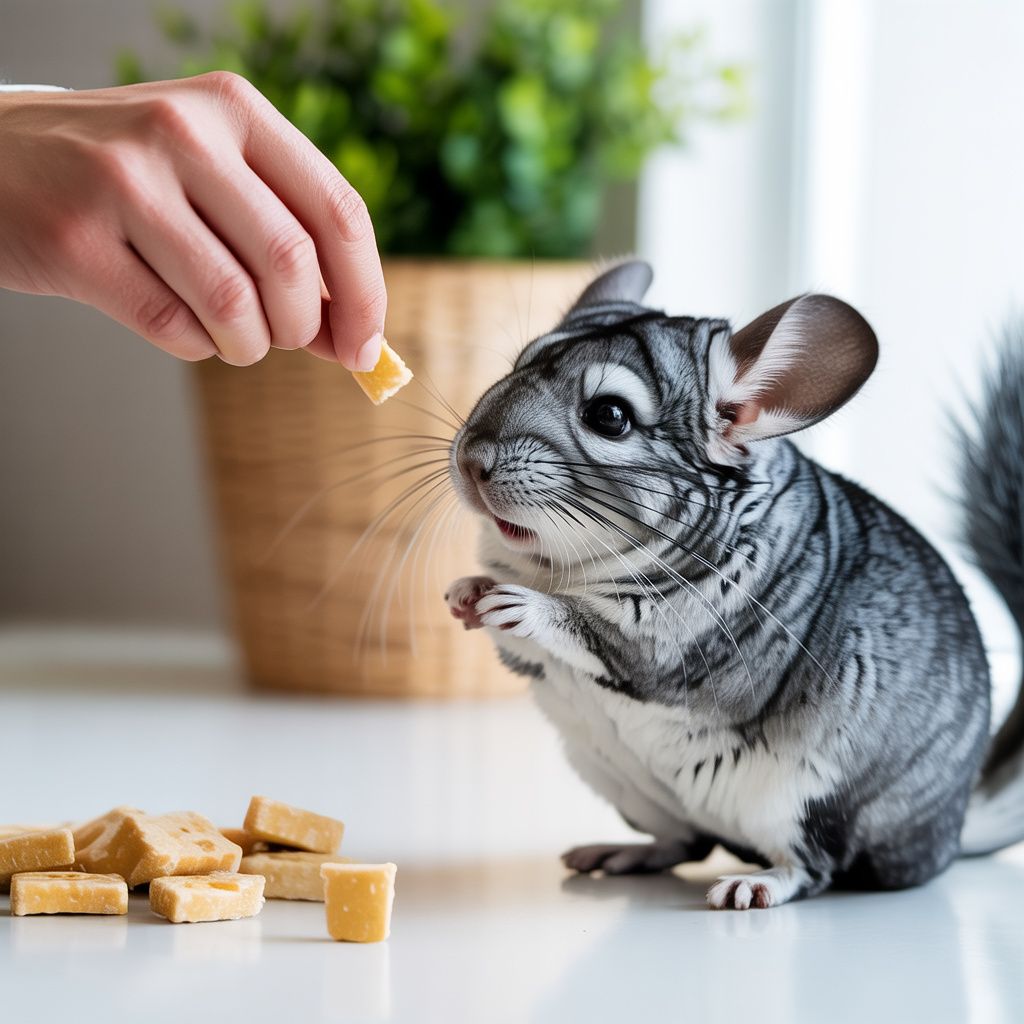
The foundation of any successful training is trust. Start by spending time near your chinchilla’s cage without making sudden movements or loud noises. Speak softly to get them used to your voice. Offer small treats, like a single raisin or a piece of dried apple (no more than 1-2 treats per day to avoid digestive issues), through the cage bars to associate you with positive experiences. Avoid grabbing or chasing your chinchilla, as this can break trust. Over weeks, they may approach you willingly, signaling they’re ready for more interaction. Patience is crucial—some chinchillas may take months to fully trust their owners.
Teaching Basic Behaviors
Once trust is established, you can teach simple behaviors like coming when called or stepping onto your hand. Use positive reinforcement, rewarding desired actions with a small treat or verbal praise. For example, to teach your chinchilla to come to you, start by saying their name in a calm tone during playtime outside the cage. When they approach, offer a treat. Repeat this daily for 5-10 minute sessions, keeping training short to avoid overwhelming them. Never punish or scold a chinchilla for not responding; they don’t understand negative reinforcement and may become fearful. Consistency and repetition are your best tools.
Creating a Safe Training Environment
Training should always occur in a chinchilla-safe space. Before letting them out for play or training, secure the area by removing electrical cords, toxic plants, and small objects they could chew or swallow. Chinchillas can jump up to 6 feet high, so block off high shelves or ledges they might reach. Use a playpen or a chinchilla-proofed room for out-of-cage time, and supervise closely. Limit distractions like loud noises or other pets during sessions to keep their focus on you.
Common Challenges and Tips
Training chinchillas isn’t without challenges. They may ignore cues, get distracted, or refuse treats if stressed. If your chinchilla isn’t responding, take a break and try again later—don’t push them. Some chinchillas may never learn complex tricks, and that’s okay; focus on bonding rather than performance. Additionally, avoid overfeeding treats during training. Obesity is a risk for chinchillas, so stick to tiny portions and balance their diet with unlimited hay and high-quality pellets.
Final Thoughts
Training a chinchilla is a rewarding journey that strengthens your bond and enriches their life. Remember to keep expectations realistic—chinchillas won’t behave like a dog or parrot, but they can learn to trust and interact with you in meaningful ways. With patience, consistency, and a focus on their comfort, you’ll create a happy, confident pet. Celebrate small victories, like the first time they hop onto your lap, and enjoy the unique quirks of your chinchilla’s personality!