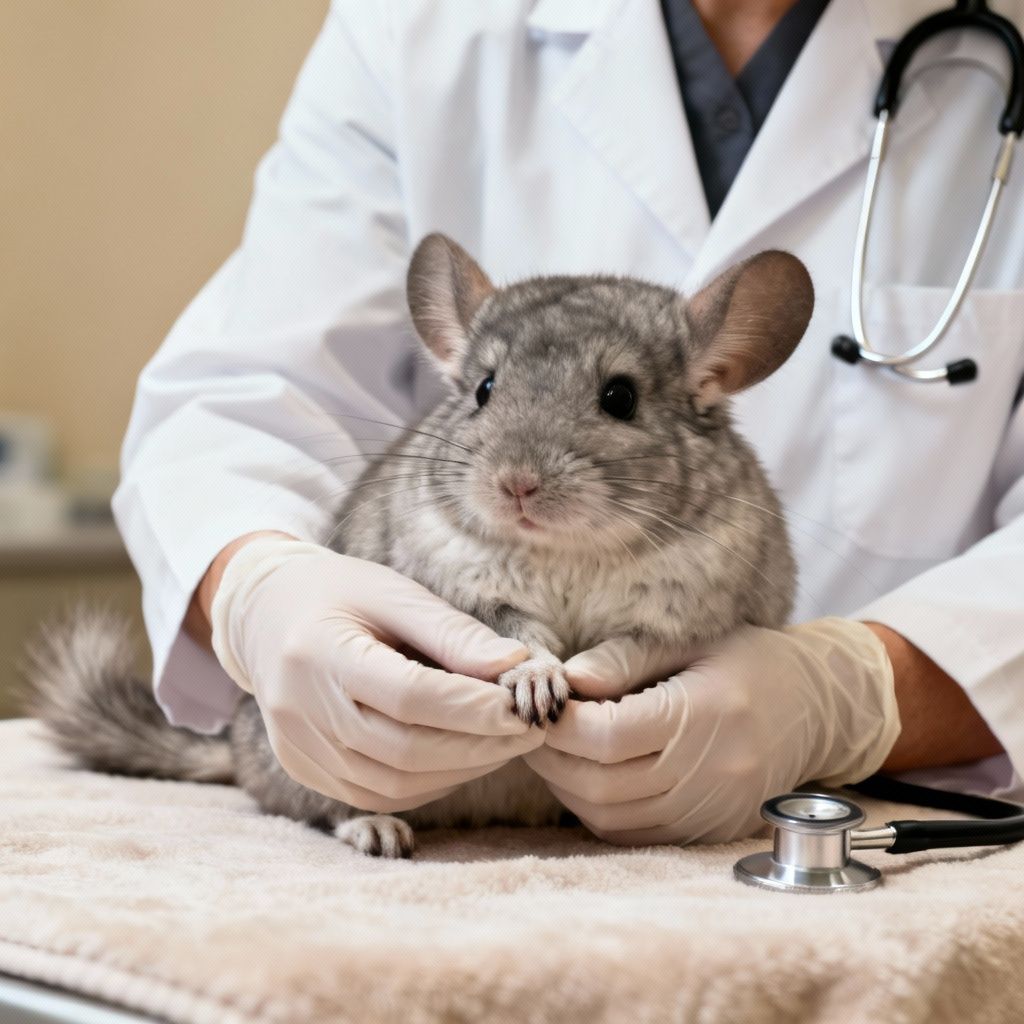
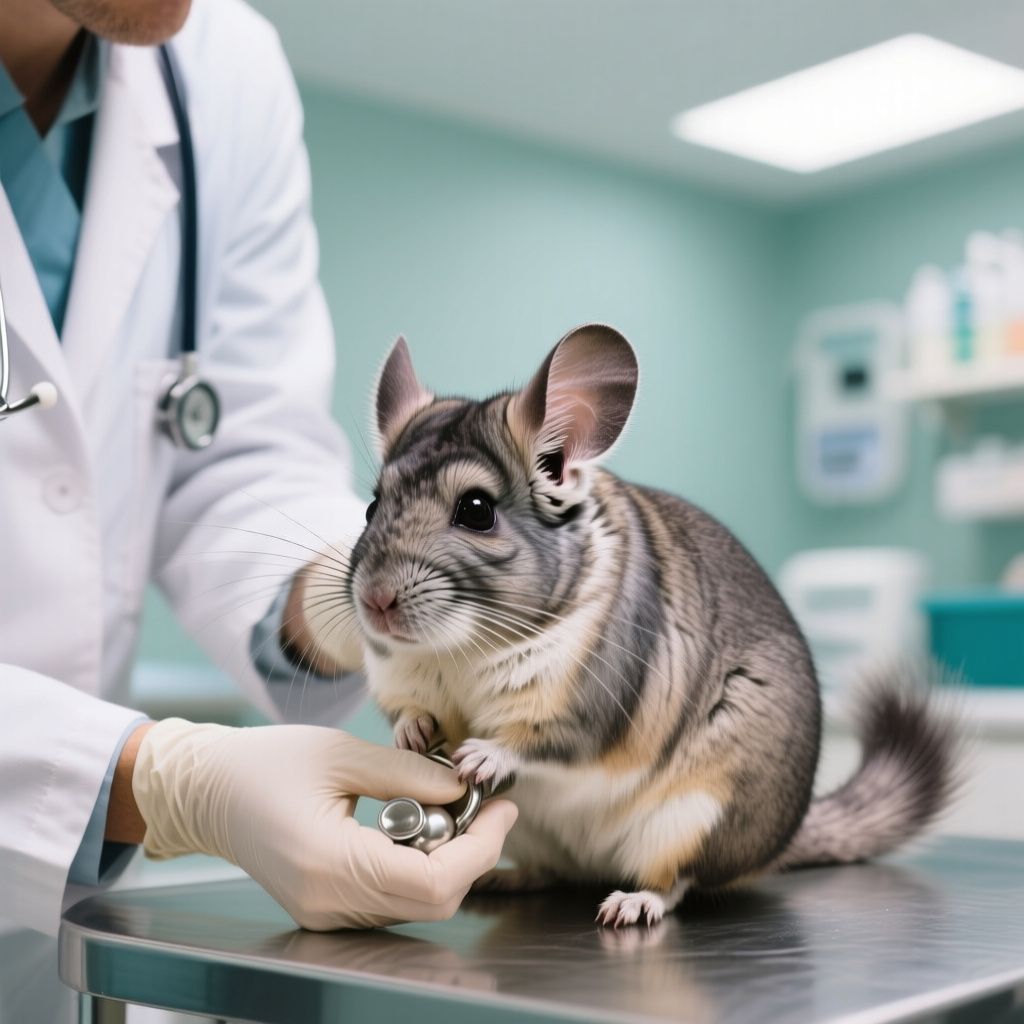
Вовед во посети на ветеринар за Chinchilla
Грижата за chinchilla вклучува повеќе од само обезбедување удобен дом и хранлива исхрана; редовните посети на ветеринар се клучен дел од обезбедувањето дека вашиот космат пријател останува здрав и среќен. Chinchillas се деликатни егзотични миленици со уникатни здравствени потреби, и наоѓањето ветеринар искусен со мали цицачи или егзотици е од суштинско значење. Во овој членок, ќе ве водиме низ зошто посестите на ветеринар се важни, колку често треба да се случуваат и практични совети за да го направите искуството без стрес и за вас и за вашиот chinchilla.
Зошто посестите на ветеринар се неопходни за Chinchillas
Chinchillas се мајстори во криењето на болестите, инстинкт за преживување од нивното диви потекло во Андите во Јужна Америка. До моментот кога симптомите како летаргија или намален апетит се забележливи, здравствениот проблем може веќе да биде напреднат. Редовните прегледи кај ветеринар може да ги откријат проблемите рано, од проблеми со забите до респираторни инфекции, кои се чести кај chinchillas поради нивните сензитивни системи. На пример, dental malocclusion—погрешно поставување на забите—ги погодува до 50% од домашните chinchillas и може да доведе до болка или гладување ако не се лекува. Ветеринарот може исто така да даде совети за исхраната, бидејќи непристапната храна е водечка причина за gastrointestinal stasis, потенцијално смртоносна состојба.
Освен во итни случаи, рутинските посети помагаат да се воспостави база за здравјето на вашиот chinchilla, што го олеснува забележувањето на промени со текот на времето. Ветеринарите можат исто така да советуваат за безбедно ракување, честота на dust bath и поставување на домот за да се спречат повреди или состојби поврзани со стрес.
Колку често треба да го посетувате ветеринарот?
За здрав chinchilla, обично се препорачува годишен преглед. Оваа посета му овозможува на ветеринарот да го прегледа теглото, забите, крзното и општата состојба, додека ажурира вакцини ако е потребно (иако chinchillas ретко ги бараат во споредба со кучињата или мачките). Ако вашиот chinchilla е помлад од 1 година или постар од 8 години—приближно до горната граница од нивниот живот од 10-20 години—посети на секои 6 месеци се добра идеја за следење на растот или проблемите поврзани со возраста.
Немедена ветеринарска помош е неопходна ако забележите знаци како губење на тежина, диареја, кихање, исцедок од очи или отсуство на нега. Chinchillas можат брзо да се влошат, често во рок од 24-48 часа, па не одложувајте ако нешто изгледа чудно. Држењето контакт на итен ветеринар при рака е важно, бидејќи не сите клиники се справуваат со егзотици по работно време.
Наоѓање на вистинскиот ветеринар
Не секој ветеринар е опремен да лекува chinchillas, па барајте таков што се специјализира за егзотични миленици или мали цицачи. Проверете кај локалните заедници на chinchilla, онлајн форуми или организации како Association of Exotic Mammal Veterinarians за препораки. Поверете се претходно за да потврдите дека ветеринарот има искуство со chinchillas и прашајте за нивниот пристап кон ракување со овие плашливи суштества. Добар ветеринар ќе даде приоритет на минимизирање на стресот за време на прегледите.
Подготовка за посета на ветеринар: Практични совети
Посетите на ветеринар можат да бидат стресни за chinchillas, но можете да го направите процесот полесен со подготовка:
- Користете сигурен носач: Изберете мал, добро проветрен носач со позната ќешка или скривалиште внатре за да го смирите вашиот chinchilla. Избегнувајте нагли движења за време на транспортот.
- Донесете записи и примероци: Ако е можно, донесете дневник на исхраната, однесувањето и симптомите на вашиот chinchilla. Свеж фецален примерок може да помогне во дијагностицирањето на проблеми со варењето.
- Минимизирајте го стресот: Покријте го носачот со лесна крпа за време на патувањето за да ги намалите визуелните стимулации. Зборувајте тивко и избегнувајте бучачни средини.
- Прашајте прашања: Подгответе листа на загрижености, како прилагодување на исхраната или честота на dust bath, за да ги разговарате со ветеринарот. Не колебете се да побарате појаснување за третманите или цените.
Што да очекувате за време на посетата
За време на типичен преглед, ветеринарот ќе го измери теглото на вашиот chinchilla (здравите возрасни се движат од 400-600 грама), ќе ги провери забите за прераснување, ќе ги слушне срцето и белите дробови и ќе го прегледа крзното за паразити или проблеми со кожата. Може да го палпира стомакот за да провери за надуеност или запуштини. Ако се потребни дополнителни тестови како X-rays или крвни анализи, ветеринарот ќе го објасни процесот и поврзаните трошоци, кои можат да се движат од $50 до $200 во зависност од регионот и клиниката.
Грижа по посетата
По посетата, дадете му на вашиот chinchilla тивко место да се одмори. Следете го за реакции на лекови или симптоми на стрес како намалено јадење. Следете ги упатствата на ветеринарот точно, било да се дава медикаменти или прилагодување на околината. Ако забележите необично однесување по посетата, контактирајте го ветеринарот веднаш.
Финални мисли
Редовните посети на ветеринар се камен-темелник на одговорното сопствеништво на chinchilla. Со proactive дејствување, наоѓање на значаен ветеринар и подготовка за термин, му давате на вашиот chinchilla најдобра шанса за долг, здрав живот. Запомнете, вашата внимателност како сопственик—во комбинација со професионална нега—прави секава разлика за да ги држи оние слатки мустаќи среќно треперечки со години.