Overview of Fungal & Skin Issues in Chinchillas
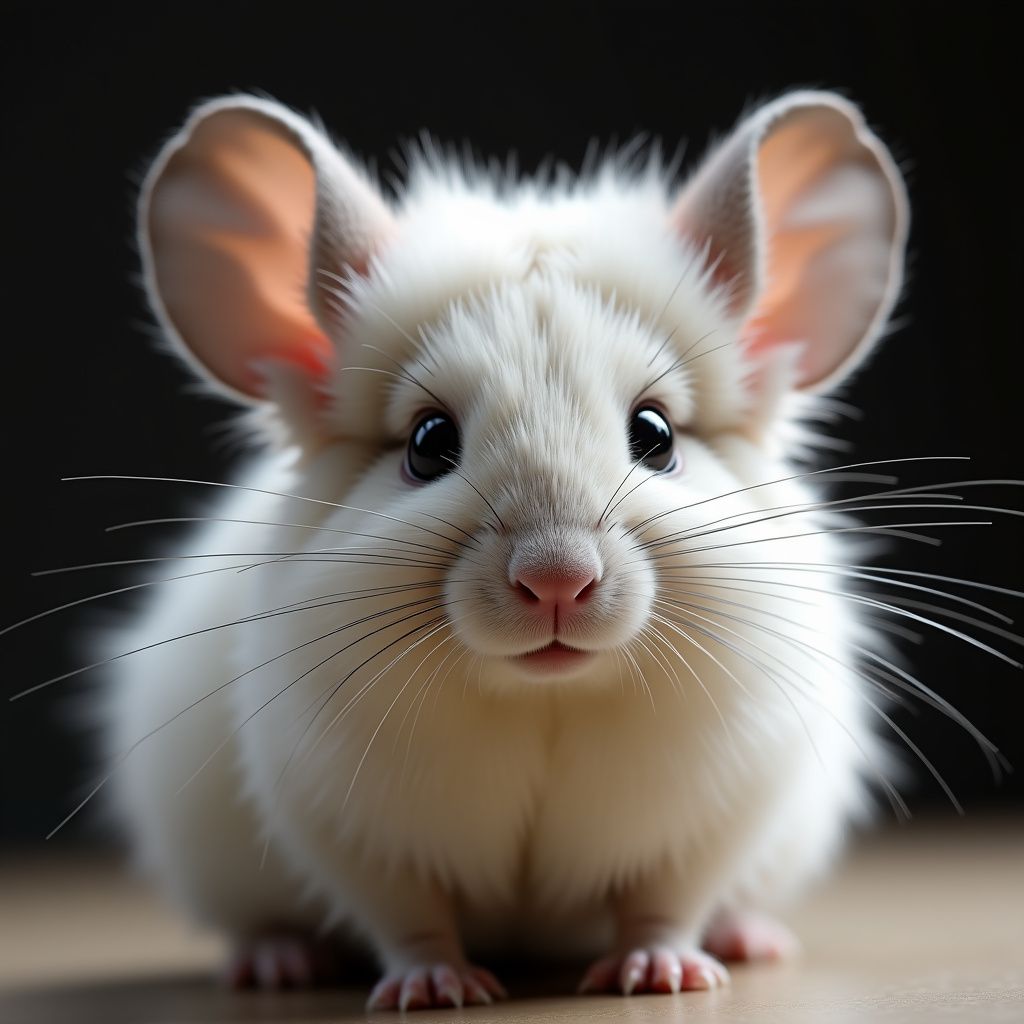
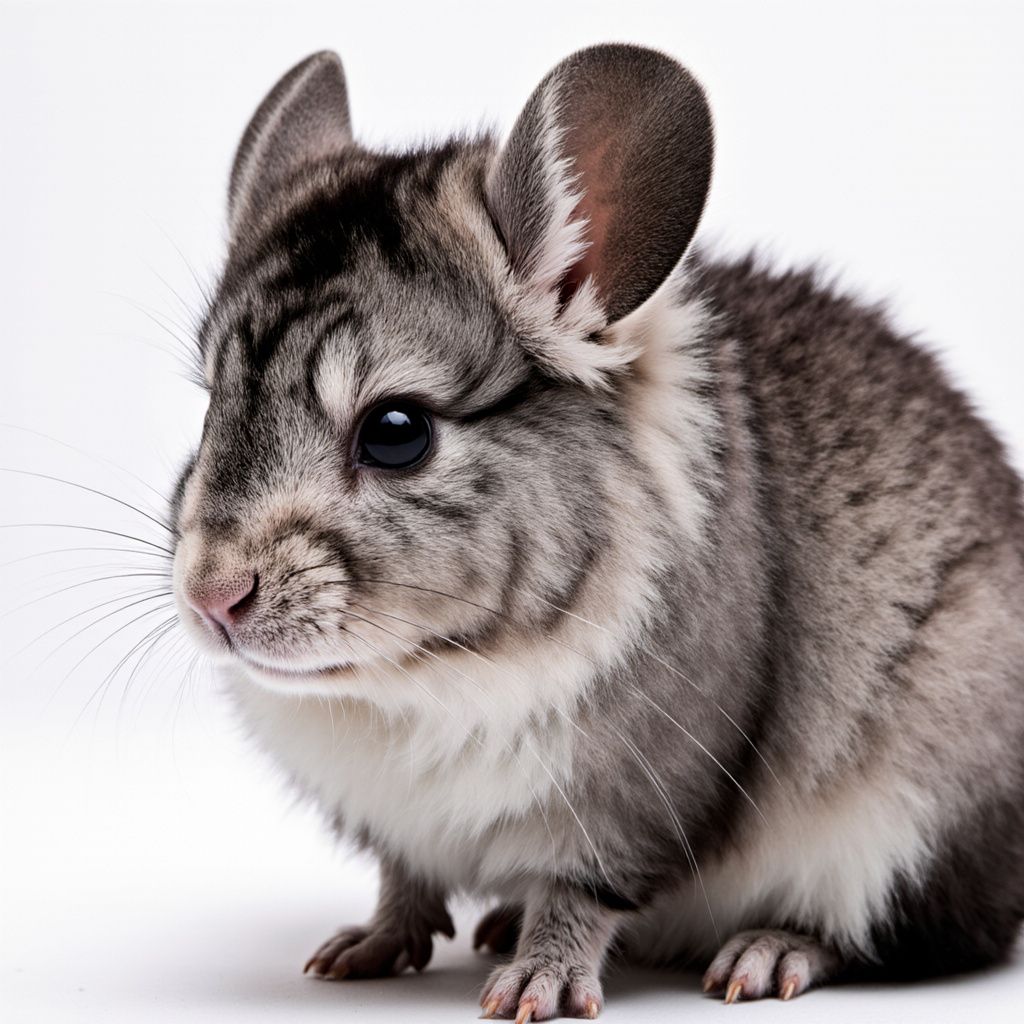
Chinchillas, with their soft, dense fur, are adorable and unique pets, but their thick coats can also make them prone to fungal and skin issues. These conditions can range from mild irritations to severe infections if left untreated. As a chinchilla owner, recognizing the signs early and taking preventive measures is key to keeping your pet healthy and comfortable. Common skin and fungal problems include ringworm, dermatitis, and fur loss due to stress or poor husbandry. Understanding the causes, symptoms, and treatments can help you act quickly and provide the best care for your furry friend.
Common Fungal & Skin Conditions
One of the most well-known fungal infections in chinchillas is ringworm, caused by the fungus Trichophyton mentagrophytes. Despite its name, ringworm isn’t caused by a worm but presents as circular patches of hair loss with scaly or crusty skin, often on the face, ears, or paws. It’s highly contagious and can spread to other pets or even humans, so caution is essential. Another issue is dermatitis, which can result from excessive moisture, poor hygiene, or allergies, leading to red, irritated skin. Additionally, chinchillas may experience fur loss or fur chewing, often linked to stress, boredom, or nutritional deficiencies rather than a direct skin condition.
Causes and Risk Factors
Fungal and skin issues often arise from environmental factors. Chinchillas thrive in dry, cool climates (ideally 60-70°F or 15-21°C) with low humidity (below 50%). High humidity or damp cages can create a breeding ground for fungi like ringworm. Poor cage hygiene, such as infrequent cleaning, can also contribute to skin irritations. Stress from overcrowding, lack of mental stimulation, or sudden changes in routine can lead to fur chewing, exposing the skin to potential infections. Additionally, a diet lacking essential nutrients like vitamin B or fatty acids may weaken their skin and fur health.
Symptoms to Watch For
Keep an eye out for these telltale signs of skin or fungal problems in your chinchilla:
- Patchy hair loss or bald spots
- Red, inflamed, or scaly skin
- Excessive scratching or grooming
- Crusty lesions or sores, especially around the nose, ears, or feet
- Dull or matted fur
Treatment and Veterinary Care
Treatment depends on the specific condition but often requires veterinary intervention. For ringworm, antifungal medications—either topical creams or oral treatments—may be prescribed for 4-6 weeks. Your vet might also recommend medicated baths or environmental disinfectants to eliminate fungal spores. Dermatitis may be treated with anti-inflammatory creams or antibiotics if a secondary infection is present. For fur chewing due to stress, addressing the underlying cause (like providing more toys or a larger cage) is crucial alongside medical care. Never use over-the-counter human products on chinchillas, as their sensitive skin can react poorly to harsh chemicals.
Prevention Tips for Chinchilla Owners
Preventing skin and fungal issues starts with proper care. Here are some practical tips:
- Maintain a clean, dry environment: Clean the cage weekly, remove wet bedding immediately, and use a dehumidifier if you live in a humid area.
- Monitor temperature and humidity: Keep their space cool and dry, avoiding temperatures above 75°F (24°C) or humidity over 50%.
- Provide dust baths: Chinchillas need regular dust baths (2-3 times a week) with specialized chinchilla dust to keep their fur clean and oil-free. Avoid water baths, as they can lead to skin infections.
- Offer a balanced diet: Ensure they get high-quality hay, pellets, and occasional treats to support skin health.
- Reduce stress: Provide hiding spots, chew toys, and a quiet environment to keep your chinchilla mentally stimulated and calm.
- Quarantine new pets: If introducing a new chinchilla, keep them separate for at least 2 weeks to monitor for signs of illness.
When to Seek Help
If you suspect a fungal or skin issue, don’t delay in seeking professional help. Untreated conditions can worsen, leading to pain or systemic infections. A vet can perform skin scrapings or fungal cultures to confirm a diagnosis and tailor a treatment plan. Remember, chinchillas are small animals with fast metabolisms, so early intervention is often the difference between a quick recovery and a serious health crisis.
By staying vigilant and maintaining a healthy environment, you can minimize the risk of fungal and skin issues, ensuring your chinchilla stays happy and fluffy for years to come.