
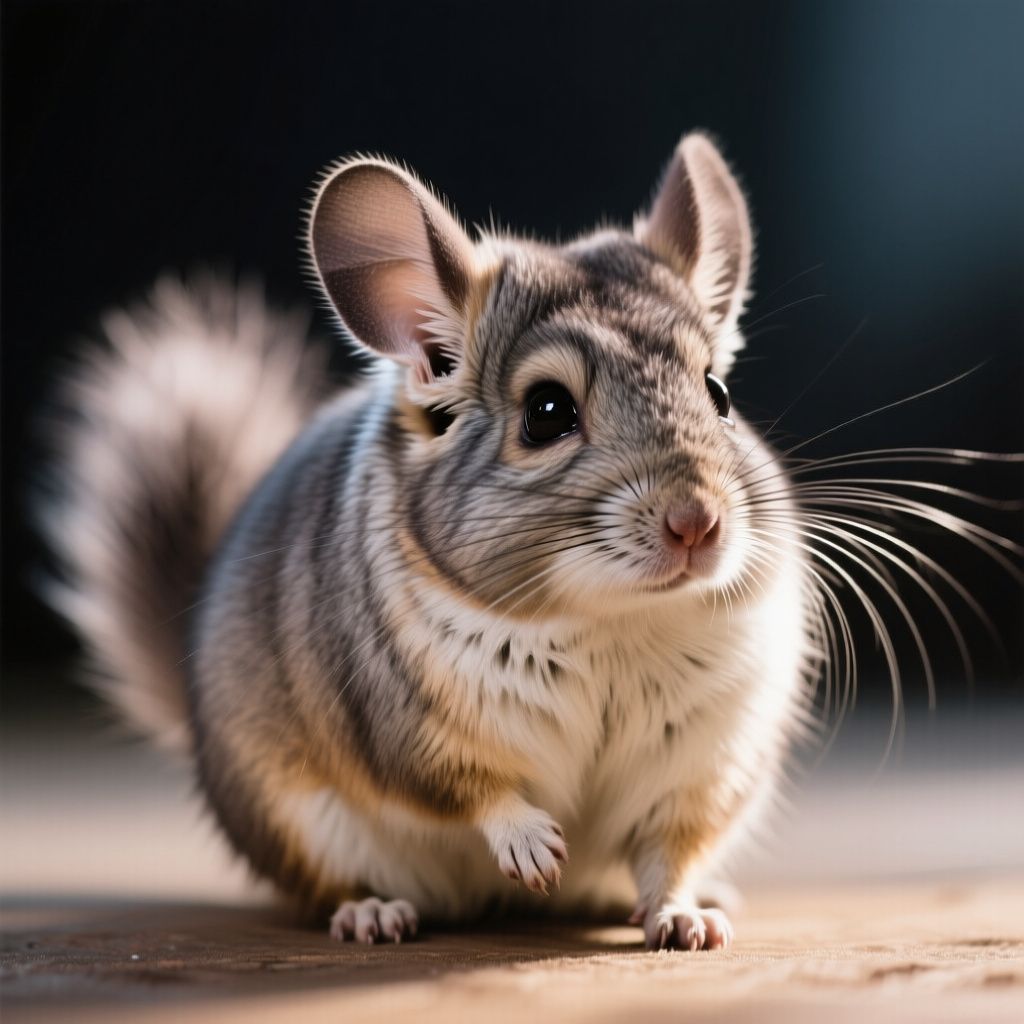
Understanding Seizures & Neurological Issues in Chinchillas
As a chinchilla owner, it’s important to be aware of potential health concerns that can affect your furry friend, including seizures and neurological issues. While these conditions are not extremely common, they can be serious and require prompt attention. Chinchillas are delicate animals with sensitive nervous systems, and understanding the signs, causes, and appropriate responses can make a big difference in their well-being. This article provides an overview of seizures and neurological problems in chinchillas, along with practical advice to help you care for your pet.
What Are Seizures and Neurological Issues?
Seizures in chinchillas are sudden, uncontrolled bursts of electrical activity in the brain that can cause physical symptoms like convulsions, twitching, or loss of consciousness. They may last from a few seconds to a couple of minutes. Neurological issues, on the other hand, encompass a broader range of conditions affecting the brain, spinal cord, or nerves, which can lead to symptoms like disorientation, weakness, or abnormal behavior.
These conditions can be distressing to witness, but not all seizures or neurological symptoms are life-threatening. Some chinchillas may experience a single seizure due to a temporary trigger, while others might have an underlying condition requiring long-term management. According to veterinary studies, seizures in small mammals like chinchillas are often linked to environmental stressors, dietary imbalances, or genetic predispositions.
Common Causes and Triggers
Several factors can contribute to seizures or neurological issues in chinchillas. One of the most common causes is heat stress, as chinchillas are highly sensitive to temperatures above 75°F (24°C). Overheating can lead to heatstroke, which may trigger seizures. Other potential causes include:
- Dietary deficiencies: A lack of essential nutrients, especially calcium or magnesium, can affect nerve function.
- Toxicity: Exposure to harmful substances, such as certain cleaning products or toxic plants, can impact the nervous system.
- Head trauma: Injuries from falls or accidents can cause neurological damage.
- Infections or parasites: Conditions like ear infections or parasitic infestations can affect balance and coordination.
- Genetic or congenital issues: Some chinchillas may be born with predispositions to epilepsy or other neurological disorders.
Recognizing the Signs
Being able to identify the symptoms of a seizure or neurological issue is key to getting timely help. During a seizure, a chinchilla might exhibit twitching, stiffening of the body, or rapid eye movements. They may fall over, appear unresponsive, or drool excessively. After a seizure, they could seem disoriented or lethargic for several minutes to hours.
Neurological issues might present as subtle or ongoing symptoms, such as head tilting, difficulty walking, circling behavior, or a lack of coordination. If you notice any of these signs, take note of their frequency, duration, and any potential triggers to share with your veterinarian.
What to Do During a Seizure
If your chinchilla has a seizure, stay calm and focus on keeping them safe. Move any nearby objects that could cause injury, and avoid handling them directly during the episode, as this could cause additional stress or harm. Do not attempt to restrain them or put anything in their mouth. Instead, dim the lights and reduce noise to create a calm environment. Time the seizure if possible, as this information is valuable for your vet.
Once the seizure ends, place your chinchilla in a quiet, comfortable space and monitor them closely. Contact an exotic animal veterinarian immediately, even if they seem to recover quickly, as seizures can indicate an underlying issue that needs addressing.
Prevention and Care Tips
While not all neurological issues can be prevented, there are steps you can take to minimize risks:
- Maintain a cool environment: Keep your chinchilla’s habitat below 70°F (21°C) and avoid direct sunlight or humid conditions.
- Provide a balanced diet: Feed high-quality chinchilla pellets, fresh hay, and limited treats to ensure proper nutrition. Avoid sudden diet changes.
- Minimize stress: Create a quiet, predictable routine and avoid sudden loud noises or overcrowding in their space.
- Chinchilla-proof their area: Prevent falls by securing their cage and play area, as head injuries can lead to neurological problems.
- Regular vet checkups: Schedule annual exams with an exotic pet specialist to catch potential issues early.
When to Seek Veterinary Help
Any seizure or neurological symptom warrants a trip to the vet, ideally within 24 hours. Recurrent seizures, even if mild, could indicate a chronic condition like epilepsy, which may require medication. Your vet might recommend diagnostic tests, such as blood work or imaging, to determine the cause. Early intervention can improve outcomes, so don’t hesitate to seek professional advice if something seems off with your chinchilla’s behavior or health.
By staying informed and proactive, you can help ensure your chinchilla lives a happy, healthy life. Keep an eye out for unusual behaviors, maintain a safe and comfortable environment, and build a relationship with a trusted vet to address any concerns promptly. Your care and attention are the best tools for supporting your chinchilla’s neurological health.