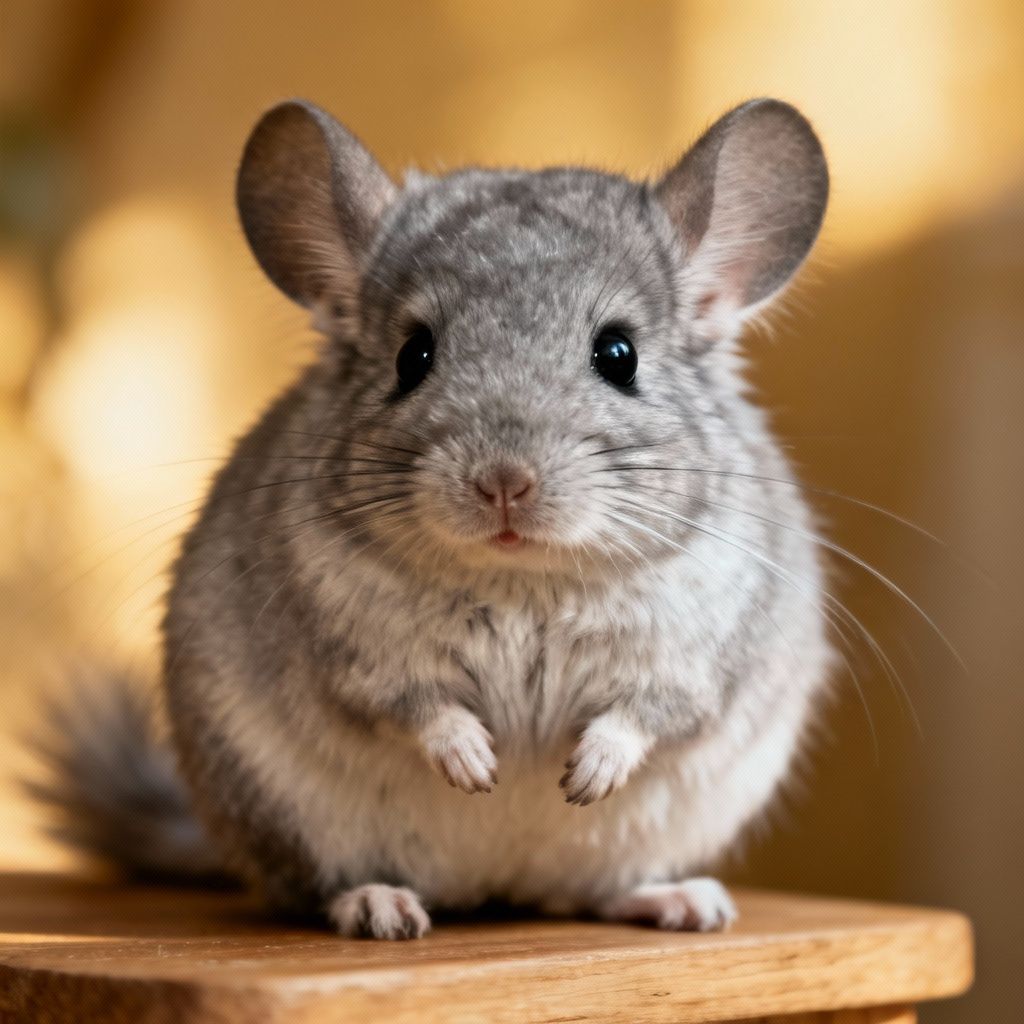
Фаҳмидани опухолҳо ва саратон дар чинчилаҳо
Бале чинчила доштан муҳим аст, ки аз мушкилоти саломатии эҳтимолӣ, аз ҷумла опухолҳо ва саратон огоҳ бошед. Гарчанде ки ин ҳолатҳо дар чинчилаҳо нисбат ба ҳайвоноти дигар камтар маъмуланд, онҳо ҳамчун пайдо мешаванд ва метавонанд хатари ҷиддӣ барои саломатии ҳайвони шумо ташкил диҳанд. Фаҳмидани нишонҳо, сабабҳо ва имкониятҳои табобат ба шумо кӯмак мекунад, ки зуд амал кунед ва беҳтарин нигоҳубинро пешниҳод намоед. Ин мақола шуморо дар асосҳои опухолҳо ва саратон дар чинчилаҳо бо маслиҳатҳои амалӣ барои нигоҳ доштани саломатӣ ва хушбахтии ҳайвони шумо роҳнамоӣ мекунад.
Опухолҳо ва саратон чистанд?
Опухолҳо афзоиши ғайримуқаррарии ҳуҷайраҳо мебошанд, ки метавонанд ҳам меҳрубон (ғайри саратонӣ) ва ҳам бадхим (саратонӣ) бошанд. Опухолҳои меҳрубон одатан камтар зараранд, зеро онҳо ба қисматҳои дигари бадан паҳн намешаванд, гарчанде ки агар калон шаванд ё ба узвҳои ҳаётӣ фишор оваранд, метавонанд мушкилот эҷод кунанд. Опухолҳои бадхим, ё саратон, хатарноктар аст, зеро метавонад ба бофтаҳои атроф ҳамла кунад ва метастаз кунад (паҳн шавад) ба минтақаҳои дигари бадан. Дар чинчилаҳо ҳар ду намуди опухолҳо ғайримуқаррарӣ мебошанд, аммо вақте ки пайдо мешаванд, аксар вақт ҳайвоноти пирро, маъмулан онҳое, ки аз 5-солагии болотар аст, таъсир мерасонанд.
Навъҳои маъмули опухолҳо дар чинчилаҳо афзоишҳои пӯст, опухолҳои ғадуди ширӣ ва тӯдаҳои дохилӣ дар узвҳо мисли ҷигар ё гурӯҳҳоро дар бар мегиранд. Мутаассифона, таҳқиқоти маҳдуд дар бораи паҳншавии саратон дар чинчилаҳо вуҷуд дорад, аммо омӯзишҳои ҳолатҳои байторӣ нишон медиҳанд, ки опухолҳои бадхим аксар вақт тундрав ва барои табобат мушкил аст бинобар андозаи хурд ва ҳассосияти ин ҳайвонот.
Нишонҳо ва аломатҳое, ки бояд назорат кунед
Шинохтани нишонҳои аввали опухол ё саратон дар чинчилаи шумо метавонад фарқияти назаррас дар пешгӯии онҳо эҷод кунад. Зеро чинчилаҳо ҳайвоноти шикор мешаванда мебошанд, онҳо аксар вақт нишонҳои бемориро пинҳон мекунанд, то ҳолат сахт шавад. Бодиққатӣ ба аломатҳои зеринро назорат кунед:
- Тӯдаҳо ё варамҳои намоён дар бадан, хусусан атрофи гардан, шикам ё зери пӯст
- Суспансияи вазн бо иштиҳои муқаррарӣ
- Лоққатӣ ё сатҳи фаъолияти камтар
- Тағйирот дар одатҳои хӯрокхӯрӣ ё нӯшидан
- Мушкилии нафаскашӣ ё садҳои ғайримуқаррарӣ агар опухол ба минтақаи сина таъсир расонад
- Аз даст додани мӯй ё ҳаяҷоншавии пӯст наздик ба афзоиш
Сабабҳо ва омилҳои хатар
Сабабҳои дақиқи опухолҳо ва саратон дар чинчилаҳо пурра фаҳмида нашудаанд, аммо якчанд омил метавонанд саҳм гузоранд. Генетика нақш бозад, зеро баъзе чинчилаҳо метавонанд ба афзоишҳои муайян майл дошта бошанд. Омилҳои муҳитӣ, мисли тамос бо заҳрҳо ё шароити зисти бад, метавонанд хатарро афзоиш диҳанд. Парҳез омили дигари эҳтимолӣ аст; набудани ғизои мувофиқ ё фарбеҳӣ метавонад системаи иммунии чинчиларо заиф кунад ва онҳоро бештар эҳтимолпазир барои мушкилоти саломатӣ гардонад.
Синну сол омили хатари муҳим аст, бо чинчилаҳои пиртар, ки бештар ба афзоиши опухолҳо майл доранд. Гарчанде ки шумо метавонад пиршавииро назорат накунед, метавонед ба тарзи зиндагии солим тамаркуз кунед, то хатарҳоро кам кунед.
Ташхиси ва имкониятҳои табобат
Агар шумо ба опухол гумон кунед, байтари шумо эҳтимолан муоинаи ҷисмонӣ анҷом медиҳад ва метавонад санҷишҳои ташхисии мисли рентген, ултрасадо ё биопсияро тавсия диҳад, то муайян кунад, ки афзоиш меҳрубон ё бадхим аст. Бинобар андозаи хурди чинчилаҳо, баъзе тартиботҳои ташхисӣ ва табобатҳо мушкил буда метавонанд ва на ҳама опухолҳо метавонанд ҷарроҳиҷонда хориҷ карда шаванд.
Имкониятҳои табобат ба намуд, ҷойгиршавӣ ва марҳилаи опухол вобаста аст. Ҷарроҳӣ барои афзоишҳои меҳрубони дастрас имконпазир буда метавонад, аммо хатар дорад бинобар зарурати бепухтана дар ҳайвоноти хурд. Барои опухолҳои бадхим, химиотерапия ё радиатсия дар чинчилаҳо кам истифода мешавад бинобар ҳассосият ва набудани протоклҳои муқаррарӣ. Дар бисёр ҳолатҳо, нигоҳубини паллиативӣ—ки ба нигоҳ доштани комфортӣи чинчилаи шумо тамаркуз кардааст—метавонад беҳтарин имкони инсондӯстона бошад.
Маслиҳатҳои амалӣ барои соҳибони чинчилаҳо
Гарчанде ки опухолҳо ва саратон ҳамеша пешгирӣ нашуда метавонанд, қадамҳое вуҷуд доранд, ки шумо барои дастгирии саломатии умумии чинчилаи худ мегирӣ метавонед:
- Санҷишҳои муназзами байтарӣ: Муоинаҳои солона бо байтари ҳайвоноти экзотикӣ ташкил диҳед, то мушкилотҳои эҳтимолиро барвақт пайдо кунед. Барои чинчилаҳои пиртар (аз 5-солагии болотар), боздидҳои дудафъа дар солро баррасӣ кунед.
- Парҳези солим: Парҳези мутавозин аз ғаллаи баландсифат, гранулкаҳои маҳдуд ва беҳуда ширинӣҳо пешниҳод кунед, то фарбеҳӣ пешгирӣ шавад ва саломатии иммуниро дастгирӣ кунад.
- Муҳити тоза: Қафасашонро тоза ва озод аз моддаҳои заҳрнок ё материалҳое нигоҳ доред, ки метавонанд хатари саломатӣ ташкил диҳанд.
- Назорати рафтор: Ба одатҳои ҳаррӯзаи чинчилаи худ диққати зиёд диҳед. Ҳар гуна тағйироти ногаҳонӣ дар энергия, иштиҳо ё зоҳирӣ бояд ба боздиди байтарӣ оварда расонад.
- Камкунии стресс: Стрессро бо пешниҳоди ҷойи ором ва бехатар бо зиёд ҷойҳои пинҳонӣ ва канорагирии тағйироти ногаҳонӣ дар тартиби онҳо кам кунед.