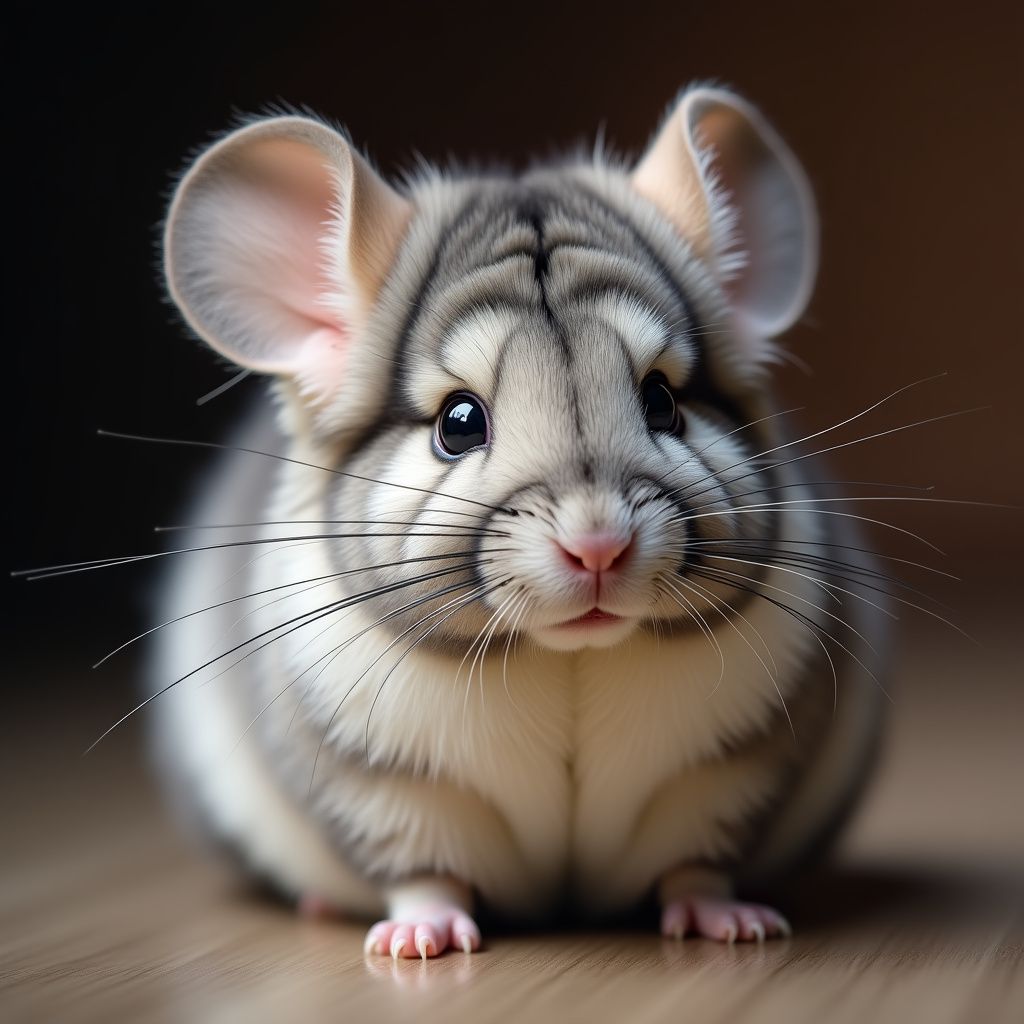
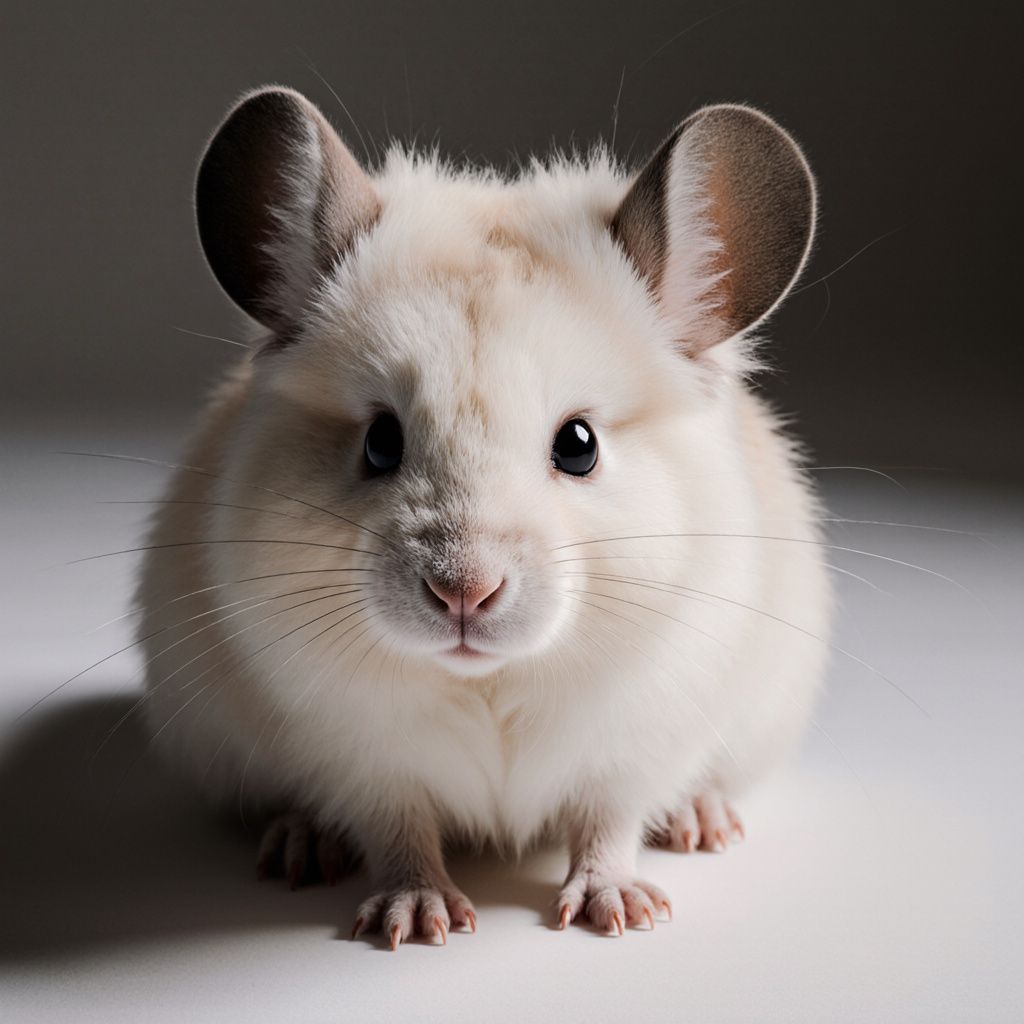
مقدمهای بر تغذیه چیچیلاهای ماده نژادپرور
مراقبت از یک چیچیلای ماده نژادپرور، مسئولیت رضایتبخشی است که نیاز به دقت دارد. تغذیه مناسب در دوران بارداری و شیردهی برای تضمین سلامت مادر و بچهها حیاتی است. چیچیلاها نیازهای غذایی خاصی دارند که در این مراحل حتی مهمتر میشود، زیرا بدن ماده به انرژی، پروتئین و مواد مغذی اضافی برای حمایت از بارداری و تولید شیر نیاز دارد. این مقاله اطلاعات ضروری و نکات عملی را برای صاحبان چیچیلا فراهم میکند تا نیازهای غذایی مادههای نژادپرور را برآورده کنند و تجربه نژادپروری موفقی داشته باشند.
درک نیازهای غذایی در دوران نژادپروری
چیچیلاهای ماده نژادپرور در دوران بارداری و شیردهی تحت فشار فیزیکی قابل توجهی قرار میگیرند. بارداری معمولی چیچیلا حدود ۱۰۵ تا ۱۱۵ روز طول میکشد که یکی از طولانیترین دورههای بارداری در میان پستانداران کوچک است. در این زمان، نیازهای انرژی ماده حدود ۲۰-۳۰٪ افزایش مییابد تا از رشد جنین حمایت کند. پس از زایمان، نیازهای او بیشتر افزایش مییابد—تا ۵۰٪ انرژی و مواد مغذی بیشتر—به دلیل تقاضای شیردهی. بچهها با خز کامل و چشمان باز متولد میشوند و در چند هفته اول زندگی به شیر مادر وابسته هستند، بنابراین رژیم غذایی او مستقیماً بر رشد و بقای آنها تأثیر میگذارد.
مواد مغذی کلیدی شامل پروتئین، کلسیم و فیبر است. پروتئین از رشد بافتی برای مادر و بچهها حمایت میکند، در حالی که کلسیم برای رشد استخوان و تولید شیر حیاتی است. فیبر، جزء اصلی رژیم غذایی چیچیلا، هضم مناسب را تضمین میکند که ممکن است توسط استرس نژادپروری مختل شود. بدون رژیم غذایی متعادل، مادههای نژادپرور در معرض خطر مواردی مانند سوءتغذیه، کاهش وزن یا هیپوکلسمی (کلسیم خون پایین) قرار میگیرند که میتواند منجر به مشکلات جدی سلامتی شود.
تنظیم رژیم غذایی برای بارداری
وقتی بارداری چیچیلای خود را تأیید یا مشکوک شدید، زمان تنظیم رژیم غذایی او برای برآورده کردن نیازهای افزایشیافته است. ابتدا مصرف روزانه علف خشک او را افزایش دهید، زیرا علف تیموتی با کیفیت بالا همچنان پایه رژیم غذایی او است و فیبر ضروری فراهم میکند. دسترسی نامحدود به علف خشک را ارائه دهید تا خوردن مداوم را تشویق کند. علاوه بر این، جیره پلت او را به تدریج حدود ۲۵٪ افزایش دهید و پلت مخصوص چیچیلا با کیفیت بالا با حداقل ۱۶-۲۰٪ پروتئین و ۲-۵٪ چربی انتخاب کنید. از تغییرات ناگهانی اجتناب کنید، زیرا چیچیلاها سیستم گوارشی حساسی دارند—پلت اضافی را در طول یک هفته معرفی کنید تا از ناراحتی جلوگیری شود.
رژیم غذایی او را با مقادیر کمی غذاهای غنی از کلسیم، مانند مقدار کمی علف یونجه (۱-۲ بار در هفته)، تکمیل کنید، زیرا یونجه کلسیم بیشتری نسبت به تیموتی دارد. با این حال، یونجه را محدود کنید تا از مشکلات گوارشی یا افزایش وزن بیش از حد جلوگیری شود. آب تازه و تمیز همیشه باید در دسترس باشد، زیرا هیدراتاسیون در بارداری حیاتی است. از شیرینیجات قندی یا غذاهای انسانی اجتناب کنید، زیرا اینها میتوانند تعادل غذایی او را مختل کنند و به سلامتیاش آسیب بزنند.
حمایت از تغذیه در دوران شیردهی
پس از تولد بچهها، نیازهای غذایی مادر به اوج میرسد. چیچیلاهای شیرده ممکن است تا دو برابر مصرف پلت معمول نیاز داشته باشند—وزن و رفتار او را نظارت کنید تا مطمئن شوید به اندازه کافی میخورد. ارائه علف تیموتی نامحدود و مقدار کمی علف یونجه را برای حمایت از تولید شیر ادامه دهید. مکملهای کلسیم، مانند پودر کلسیم تأییدشده توسط دامپزشک که به آرامی روی پلت پاشیده میشود، میتواند مفید باشد اگر توسط دامپزشک شما توصیه شود، زیرا شیردهی میتواند ذخایر کلسیم او را تخلیه کند.
وضعیت بدنی او را زیر نظر داشته باشید. یک ماده نژادپرور سالم باید وزن پایداری حفظ کند، نه کاهش دهد و نه افزایش بیش از حد. اگر لاغر یا بیحال به نظر میرسد، فوراً با دامپزشک مشورت کنید، زیرا این میتواند نشاندهنده کمبودهای غذایی یا مشکلات سلامتی دیگر باشد. همچنین، مطمئن شوید بچهها از حدود ۲-۳ هفتگی به علف خشک و پلت دسترسی دارند، زیرا در حالی که هنوز شیردهی میکنند، شروع به جویدن غذای جامد میکنند.
نکات عملی برای صاحبان چیچیلا
- نظارت بر مصرف غذا: روزانه ثبت کنید که چیچیلای شما چقدر میخورد تا هرگونه کاهش ناگهانی را که میتواند نشاندهنده مشکلات سلامتی باشد، تشخیص دهید.
- وزنگیری هفتگی: از ترازوی آشپزخانه کوچک برای پیگیری وزن او استفاده کنید. افزایش پایدار در بارداری (حدود ۵۰-۱۰۰ گرم) طبیعی است، اما کاهش سریع پس از زایمان نیاز به توجه دامپزشک دارد.
- مشورت با دامپزشک: با دامپزشک حیوانات اگزوتیک همکاری کنید تا رژیم غذایی او را متناسب کنید، به ویژه اگر سابقه مشکلات سلامتی یا چندین زایمان داشته باشد.
- محدود کردن استرس: غذا و آب او را در مکانهای قابل دسترس و آرام قرار دهید تا بدون مزاحمت خوردن را تشویق کند.
- اجتناب از پرخوری: در حالی که порциями را افزایش میدهید، زیادهروی نکنید—چاقی میتواند بارداری و زایمان را پیچیده کند.
نتیجهگیری
ارائه تغذیه بهینه برای چیچیلای ماده نژادپرور برای رفاه او و سلامت بچهها ضروری است. با درک نیازهای در حال تغییر او در بارداری و شیردهی، تنظیم رژیم غذایی相应، و نظارت بر وضعیت او، میتوانید فرآیند نژادپروری روان را تضمین کنید. همیشه علف خشک با کیفیت بالا، پلت مناسب و راهنمایی دامپزشک را برای مقابله با هر چالش منحصربهفردی اولویت دهید. با توجه دقیق به رژیم غذایی او، از چیچیلای خود در این سفر demanding اما شگفتانگیز مادری حمایت خواهید کرد.