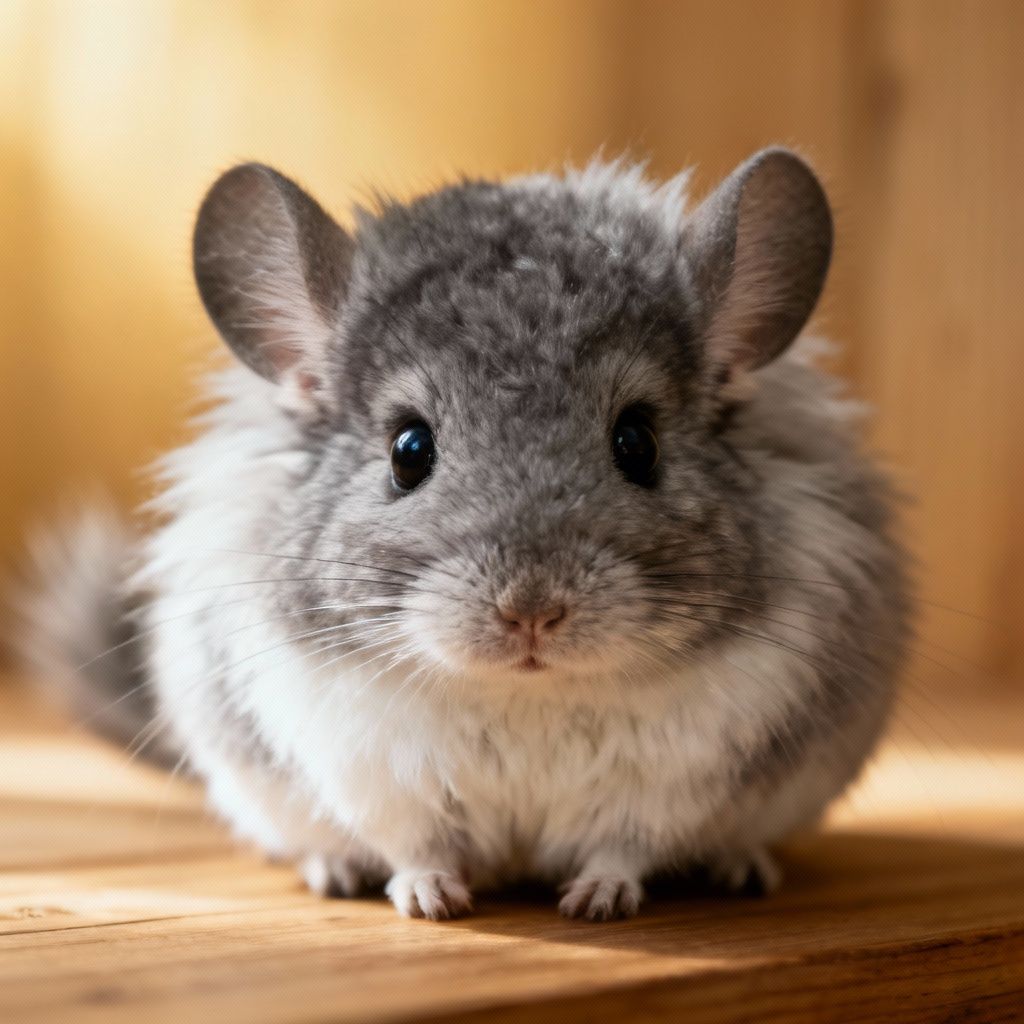
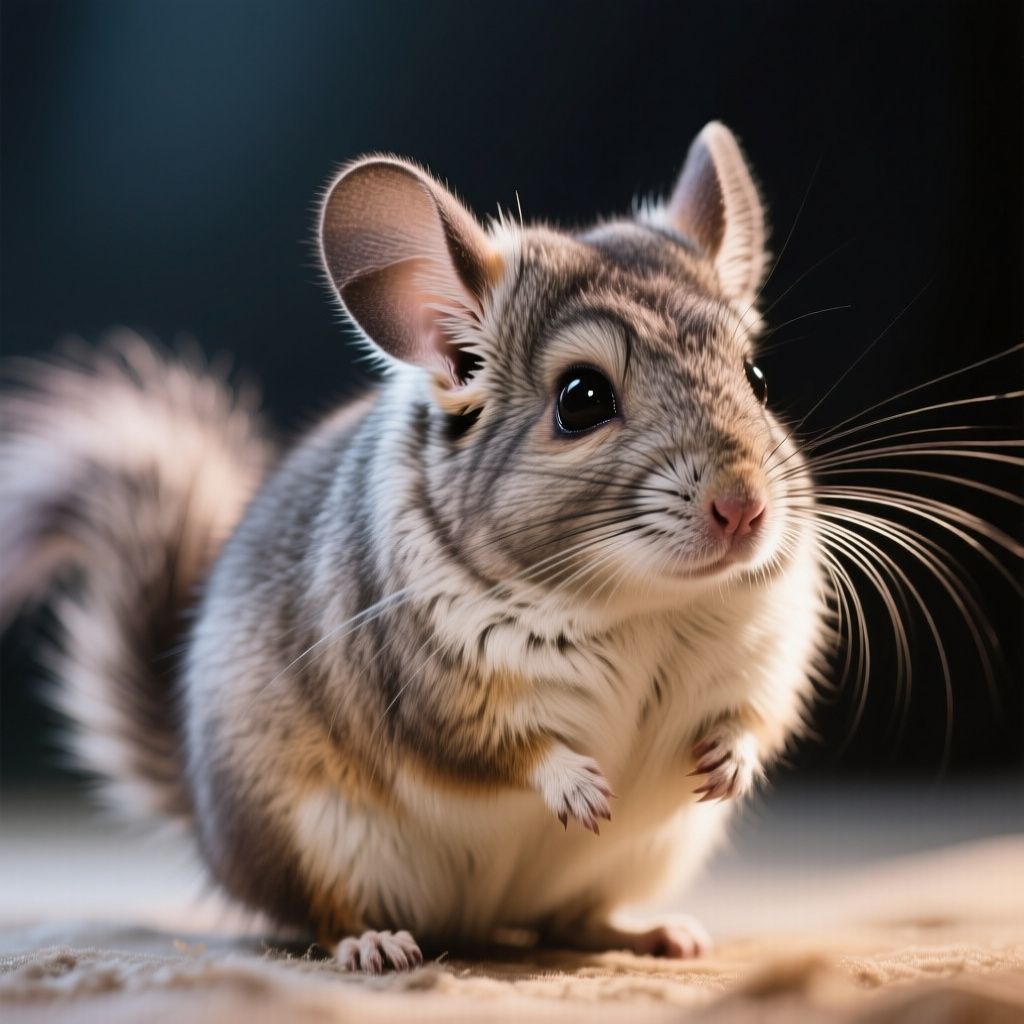
चिंचिला के लिए विटामिन और मिनरल की जरूरतों को समझना
चिंचिल्स, अपनी मुलायम फर और शरारती स्वभाव के साथ, आनंददायक पालतू जानवर हैं जो स्वस्थ रहने के लिए सावधानीपूर्वक संतुलित आहार की आवश्यकता रखते हैं। जबकि घास और पेलेट्स उनका पोषण का आधार बनाते हैं, विटामिन और मिनरल्स उनकी समग्र भलाई को बनाए रखने में महत्वपूर्ण भूमिका निभाते हैं। एक चिंचिला मालिक के रूप में, इन जरूरतों को समझना स्वास्थ्य समस्याओं को रोकने और आपके फर वाले दोस्त को फलने-फूलने में मदद कर सकता है। आइए चिंचिल्स के लिए विटामिन और मिनरल्स के मूलभूत तत्वों और इन आवश्यकताओं को कैसे पूरा करें, इसकी गहराई में उतरें।
विटामिन और मिनरल्स क्यों महत्वपूर्ण हैं
विटामिन और मिनरल्स चिंचिला के विकास, इम्यून सिस्टम, हड्डियों के स्वास्थ्य और ऊर्जा स्तर के लिए महत्वपूर्ण हैं। कुछ जानवरों के विपरीत, चिंचिल्स स्वयं कुछ विटामिन जैसे Vitamin C नहीं बना सकते और इन्हें अपने आहार से प्राप्त करने पर निर्भर रहते हैं। कमी से गंभीर स्थितियां जैसे स्कर्वी, कमजोर हड्डियां या खराब कोट की गुणवत्ता हो सकती है। दूसरी ओर, अधिक पूरक देना उतना ही हानिकारक हो सकता है, जो विषाक्तता या पाचन संबंधी परेशानी पैदा कर सकता है। सही संतुलन बनाना महत्वपूर्ण है, और यह आपकी चिंचिला की जरूरतों को जानने से शुरू होता है।
चिंचिल्स के लिए मुख्य विटामिन
- Vitamin C: चिंचिल्स Vitamin C की कमी के प्रति संवेदनशील होते हैं क्योंकि वे इसे स्वयं संश्लेषित नहीं कर सकते। इस विटामिन की कमी से स्कर्वी हो सकता है, जो सुस्ती, भूख न लगना और मसूड़ों से खून बहना जैसे लक्षण पैदा करता है। ताजा भोजन या आवश्यकतानुसार सप्लीमेंट्स के माध्यम से प्रतिदिन प्रति किलोग्राम शरीर के वजन के अनुसार लगभग 25-50 mg Vitamin C प्रदान करने का लक्ष्य रखें।
- Vitamin A: दृष्टि, त्वचा स्वास्थ्य और इम्यून फंक्शन के लिए आवश्यक, Vitamin A सामान्यतः उच्च गुणवत्ता वाले पेलेट्स और घास से प्राप्त होता है। गाजर या अन्य उच्च Vitamin A वाले ट्रीट्स को अधिक न दें, क्योंकि अतिरिक्त विषाक्त हो सकता है।
- Vitamin D: यह विटामिन मजबूत हड्डियों और दांतों के लिए कैल्शियम अवशोषण को समर्थन देता है। चिंचिल्स को Vitamin D सीमित सूर्य प्रकाश (अधिक गर्मी से बचने के लिए सीधे धूप से बचें) और फोर्टिफाइड पेलेट्स से मिलता है। कमी से रिकेट्स या नरम हड्डियां हो सकती हैं।
चिंचिल्स के लिए आवश्यक मिनरल्स
- Calcium और Phosphorus: ये मिनरल्स हड्डियों और दांतों के स्वास्थ्य के लिए महत्वपूर्ण हैं। चिंचिल्स को अपने आहार में लगभग 2:1 का calcium-to-phosphorus अनुपात चाहिए। टिमोथी घास की असीमित उपलब्धता इस संतुलन को बनाए रखने में मदद करती है, क्योंकि यह कैल्शियम प्रदान करती है जबकि फॉस्फोरस कम होता है। अल्फाल्फा घास को मुख्य भोजन न बनाएं, क्योंकि इसमें कैल्शियम बहुत अधिक होता है और ब्लैडर स्टोन्स का कारण बन सकता है।
- Magnesium और Potassium: ये मांसपेशियों और तंत्रिकाओं के कार्य को समर्थन देते हैं। ये सामान्यतः व्यावसायिक चिंचिला पेलेट्स में पर्याप्त मात्रा में मौजूद होते हैं, इसलिए अतिरिक्त पूरक की आवश्यकता शायद ही पड़ती है जब तक कि पशु चिकित्सक द्वारा सलाह न दी जाए।
- Trace Minerals: आयरन, जिंक और कॉपर रक्त स्वास्थ्य और कोट की स्थिति के लिए छोटी मात्राओं में आवश्यक हैं। गुणवत्ता वाले पेलेट्स के साथ विविध आहार सामान्यतः इन जरूरतों को पूरा करता है।
पोषण संबंधी जरूरतों को पूरा करने के व्यावहारिक टिप्स
1. गुणवत्ता वाले पेलेट्स चुनें: चिंचिला-विशिष्ट पेलेट्स चुनें जो आवश्यक विटामिन और मिनरल्स को शामिल करने के लिए तैयार किए गए हों। Vitamin C की मात्रा सूचीबद्ध करने वाले ब्रांड्स देखें और बीज या नट्स वाले मिश्रणों से बचें, क्योंकि वे आहार को असंतुलित कर सकते हैं। 2. असीमित घास प्रदान करें: टिमोथी घास न केवल फाइबर का स्रोत है बल्कि स्वाभाविक रूप से कैल्शियम और अन्य मिनरल्स की छोटी मात्राएं भी प्रदान करती है। इसे हमेशा ताजा और उपलब्ध रखें। 3. ट्रीट्स को सीमित करें: फल और सब्जियां Vitamin C जैसे विटामिन प्रदान कर सकते हैं, लेकिन उच्च शर्करा सामग्री के कारण इन्हें कम मात्रा में दें (साप्ताहिक 1-2 छोटे टुकड़े)। सुरक्षित विकल्पों में सेब का छोटा टुकड़ा (बिना बीज) या Vitamin C के लिए रोज हिप शामिल है। 4. कमी के लक्षणों पर नजर रखें: फीकी फर, वजन घटना या दंत समस्याओं जैसे लक्षणों पर ध्यान दें, जो पोषक तत्वों की कमी का संकेत हो सकते हैं। यदि कुछ असामान्य दिखे, तो तुरंत एक्सोटिक पेट वेट से संपर्क करें। 5. अधिक पूरक से बचें: विटामिन ड्रॉप्स या मिनरल ब्लॉक्स जोड़ने की इच्छा पर नियंत्रण रखें जब तक कि पशु चिकित्सक द्वारा निर्धारित न हो। अतिरिक्त पोषक तत्व आपकी चिंचिला को नुकसान पहुंचा सकते हैं।
कब पशु चिकित्सक से संपर्क करें
यदि आप अपनी चिंचिला के पोषण सेवन को लेकर अनिश्चित हैं या कमी का संदेह है, तो एक्सोटिक पेट्स के विशेषज्ञ वेट टेस्ट कर सकते हैं और विशिष्ट सप्लीमेंट्स की सिफारिश कर सकते हैं। नियमित जांच, आदर्श रूप से साल में एक बार, असंतुलन के शुरुआती संकेत पकड़ सकती है। याद रखें, हर चिंचिला अनोखी है, और उम्र, गतिविधि स्तर तथा स्वास्थ्य स्थितियां उनकी जरूरतों को प्रभावित कर सकती हैं।
उच्च गुणवत्ता वाली घास, पेलेट्स और कभी-कभी ट्रीट्स के साथ संतुलित आहार पर ध्यान केंद्रित करके, आप सुनिश्चित कर सकते हैं कि आपकी चिंचिला को खुशहाल, स्वस्थ जीवन जीने के लिए आवश्यक विटामिन और मिनरल्स मिलें। उनके पोषण पर थोड़ा ध्यान उन प्यारे मूंछों को खुशी से हिलाने में लंबा रास्ता तय करता है!