Įvadas į vandenį ir hidrataciją šinšiloms
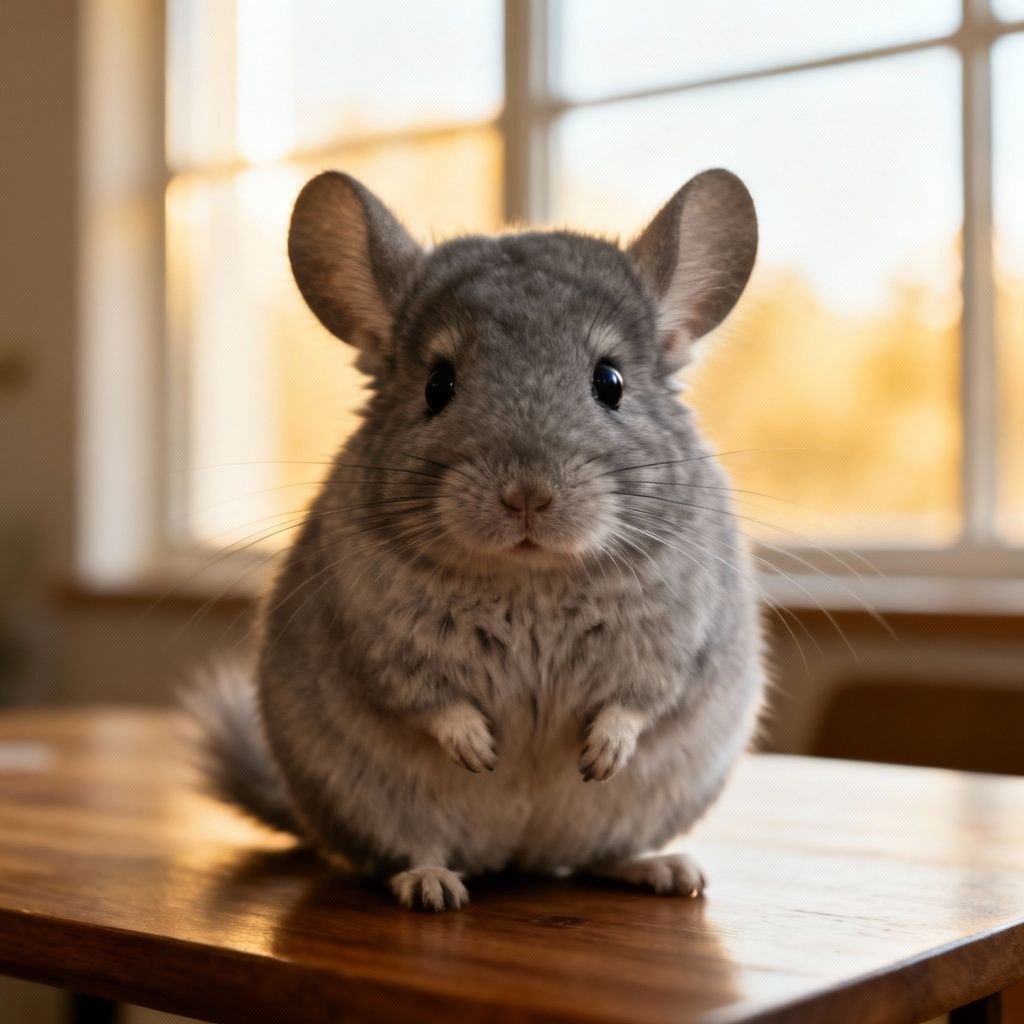
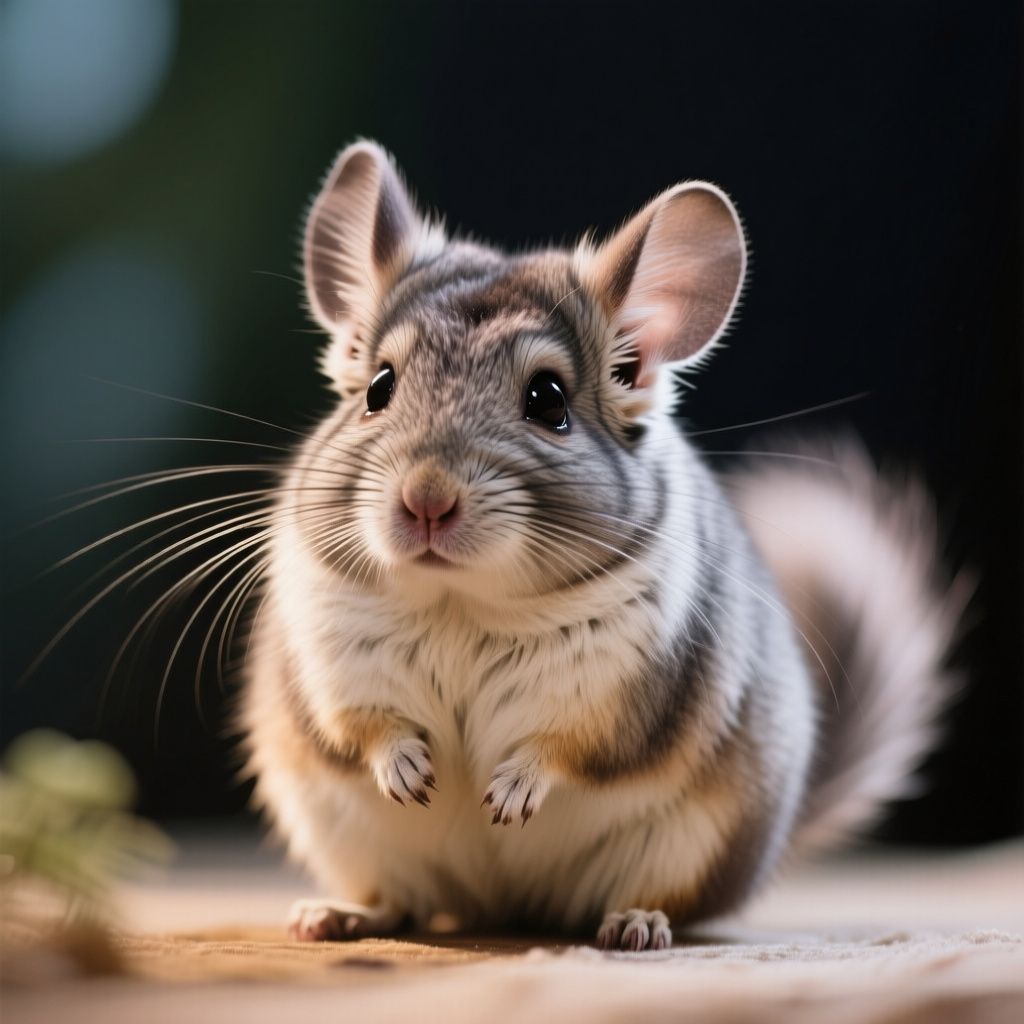
Sveiki, šinšilų savininkai! Laikant jūsų pūkuotą draugą sveikam ir la Felizam, reikia suprasti jų pagrindinius poreikius, o vanduo yra sąrašo viršuje. Šinšilos, kilusios iš Pietų Amerikos Andų kalnų dykros regionų, evoliucionavo prisitaikiusios klestėti sausoje aplinkoje, todėl jų hidratacijos poreikiai šiek tiek unikalūs, palyginti su kitais augintiniais. Nors jos negurkšnoja didelių vandens kiekių, užtikrinti prieigą prie švaraus, šviežio vandens visą laiką yra gyvybiškai svarbu jų gerovei. Šiame straipsnyje aptarsime, kodėl hidratacija svarbi, kiek vandens reikia šinšiloms ir praktiškus būdus jas hidratuoti.
Kodėl hidratacija svarbi šinšiloms
Hidratacija atlieka gyvybiškai svarbų vaidmenį šinšilos bendroje sveikatoje. Vanduo palaiko virškinimą, reguliuoja kūno temperatūrą ir padeda palaikyti tinkamą organų veiklą. Šinšilos linkusios dehidratacijai, nes natūraliai vartoja daug sausų šieno ir granuliuojamo maisto, ir jos nesimeta kaip žmonės. Dehidratacija gali sukelti rimtų problemų, tokių kaip šlapimo takų sutrikimai, vidurių užkietėjimas ar net šilumos smūgis, ypač šiltesniuose klimatuose. Atpažinus dehidratacijos požymius – tokius kaip letargija, įdubusios akys ar sausi, lipnūs dantenos – galite greitai imtis veiksmų ir suteikti savo augintiniui reikiamą priežiūrą.
Kiek vandens reikia šinšiloms?
Vidutiniškai sveika suaugusi šinšila išgeria apie 1–2 uncijas (30–60 ml) vandens per dieną, nors tai gali skirtis priklausomai nuo veiksnių, tokių kaip temperatūra, aktyvumo lygis ir mityba. Pavyzdžiui, šinšila, valganti daugiau šviežių žalumynų (kuriuose yra drėgmės), gali gerti šiek tiek mažiau, o karštoje aplinkoje esanti – daugiau. Svarbu stebėti jų suvartojimą, nes staigus vandens vartojimo sumažėjimas gali rodyti ligą, pvz., dantų problemas ar virškinamojo trakto sustojimą. Visada pateikite daugiau vandens, nei joms gali prireikti, kad jos niekada neliktų ištroškusios.
Geriausios praktikos teikiant vandenį
Užtikrinti, kad jūsų šinšila turėtų prieigą prie švaraus vandens, yra paprasta tinkamai įrangai ir įpročiams. Štai keletas praktiškų patarimų, kaip jas hidratuoti:
- Naudokite vandens buteliuką, ne dubenėlį: Šinšilos lengvai apverčia ar užteršia vandens dubenėlį pakrave ar išmatomis. Rinkitės lašinimą stabdantį vandens buteliuką su metaliniu snapeliu, idealiai skirtą mažiems gyvūnams. Pritvirtinkite jį prie narvo aukštyje, kurį jos patogiai pasiektų.
- Atnaujinkite kasdien: Keiskite vandenį kiekvieną dieną, kad išvengtumėte bakterijų dauginimosi. Gerai išskalaukite buteliuką, pašalindami bet kokius likučius, ir patikrinkite snapelį dėl užsikimšimų – kartais šienas ar nešvarumai jį užkemša.
- Stebėkite vandens suvartojimą: Stebėkite, kiek vandens kasdien dingsta iš buteliuko. Staigus pasikeitimas gali rodyti sveikatos problemą, ir jei nerimaujate, kreipkitės į veterinarą.
- Laikykite švarų: Mažiausiai kartą per savaitę plaukite vandens buteliuką šiltu muilinu vandeniu, kad išvengtumėte dumblių ar bakterijų kaupimosi. Venkite stiprių chemikalų, kurie gali palikti žalingus likučius.
Specialūs aspektai
Šinšilos jautrios aplinkos pokyčiams, o hidratacijos poreikiai gali keistis su sezonais. Karštesniais mėnesiais ar jei jūsų namų temperatūra viršija 75°F (24°C), jūsų šinšila rizikuoja perkaisti ir gali gerti daugiau vandens. Apsvarstykite galimybę padėti šaldytą vandens buteliuką, suvyniotą į rankšluostį, šalia narvo, kad padėtų jai atvėsti, bet niekada neleiskite jai sušlapti, nes jų tankus kailis sulaiko drėgmę ir gali sukelti grybelines infekcijas. Be to, venkite geriamojo vandentapio vandens, jei jame daug mineralų ar chloro – filtruotas ar buteliuotas vanduo dažnai yra saugesnis pasirinkimas.
Pabaigos mintys
Vanduo gali atrodyti kaip maža jūsų šinšilos priežiūros rutinos dalis, bet tai jos sveikatos pagrindas. Teikdami šviežią, švarų vandenį kasdien, naudodami tinkamą įrangą ir būdami atidūs jų poreikiams, užtikrinsite savo augintiniui ilgą, laimingą gyvenimą. Atminkite, kad kiekviena šinšila yra unikali, todėl skirkite laiko stebėti jų įpročius ir kreipkitės į veterinarą, jei pastebite ką nors neįprasto. Su šiais patarimais jūsų šinšila bus hidratuota ir klestės!