Introduction to Conservation Status for Chinchilla Owners
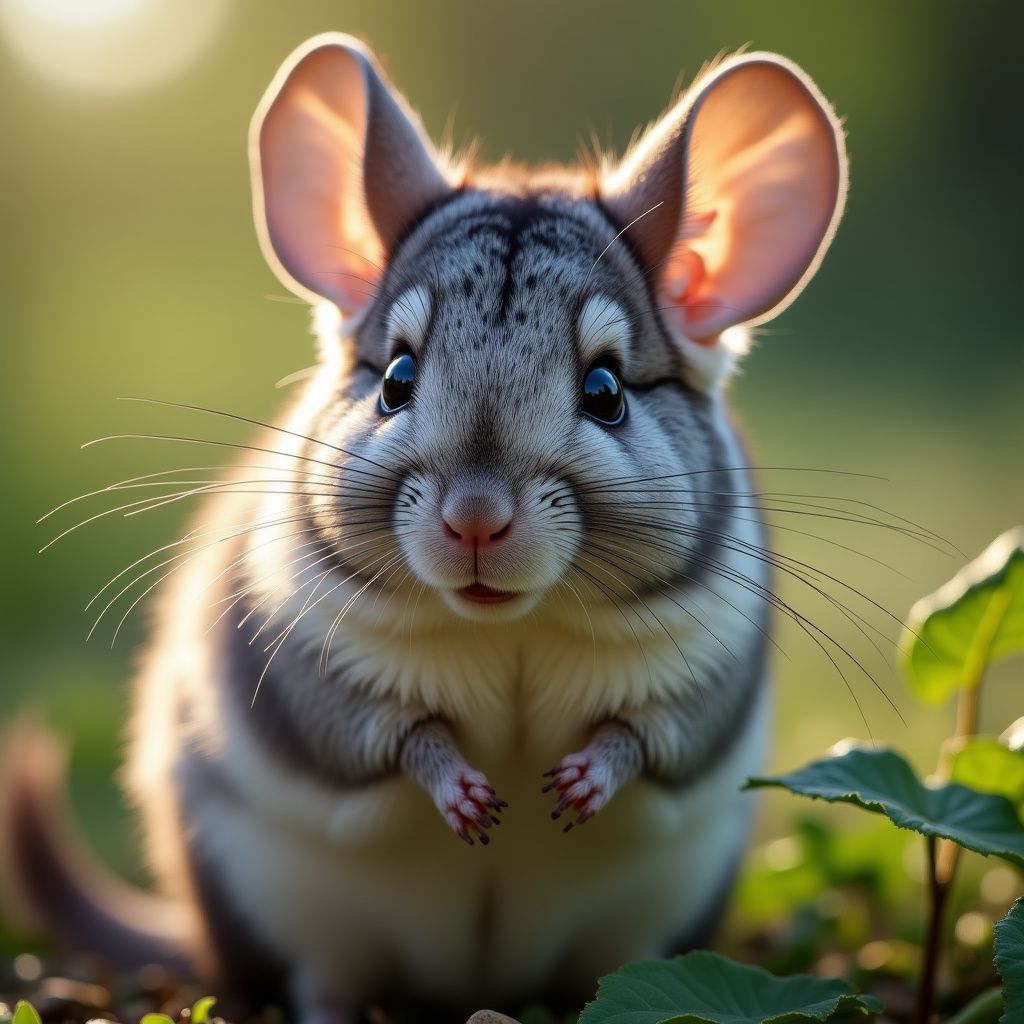
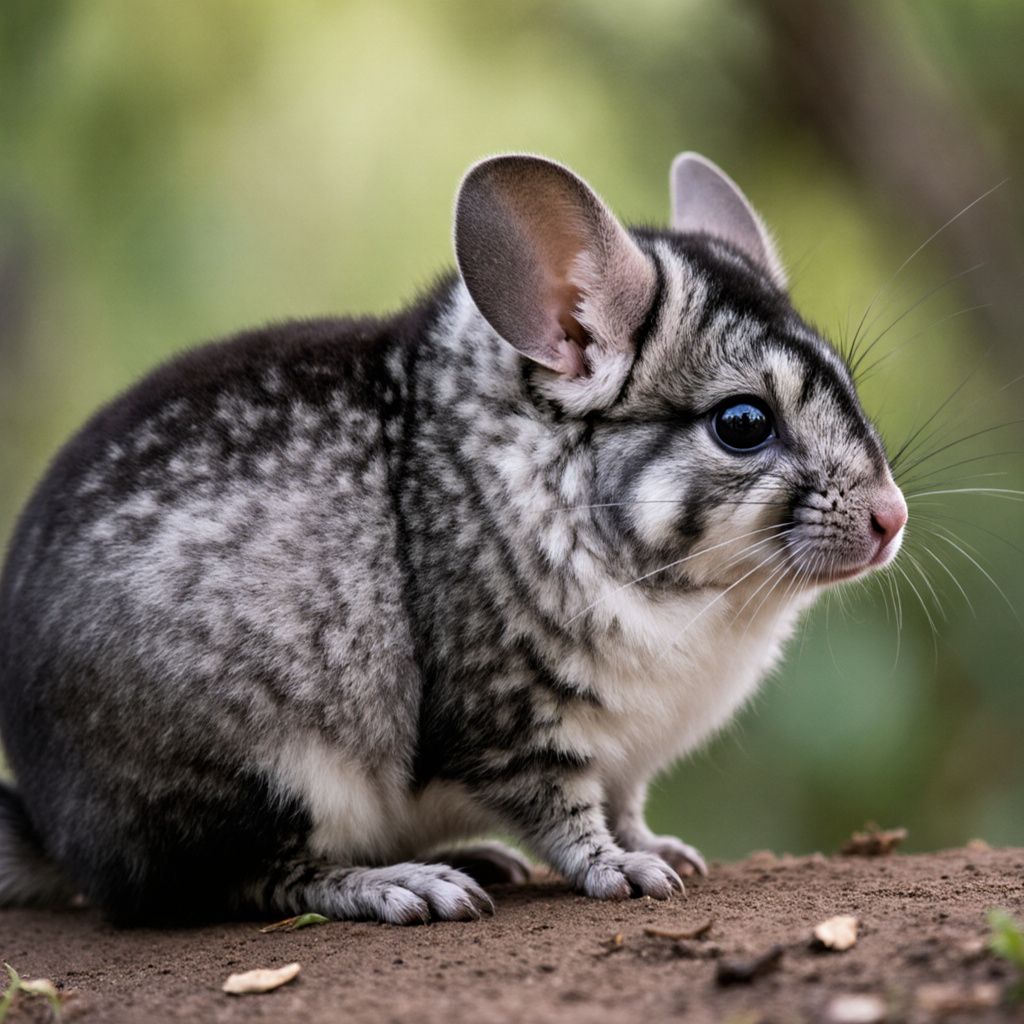
As a chinchilla owner, understanding the conservation status of these adorable, fluffy creatures is not just about appreciating their place in the natural world—it’s also about recognizing the responsibility we have to protect them. Chinchillas, native to the Andes Mountains in South America, are small rodents known for their incredibly soft fur. However, their wild populations have faced significant challenges due to habitat loss and historical overhunting. This article dives into the conservation status of chinchillas, why it matters to pet owners, and how you can contribute to their protection.
What Is Conservation Status?
Conservation status refers to the risk of extinction for a species, as assessed by organizations like the International Union for Conservation of Nature (IUCN). Species are categorized into levels such as "Least Concern," "Near Threatened," "Vulnerable," "Endangered," and "Critically Endangered." For chinchillas, there are two primary species to consider: the short-tailed chinchilla (Chinchilla chinchilla) and the long-tailed chinchilla (Chinchilla lanigera). Both species are listed as Endangered on the IUCN Red List, meaning they face a very high risk of extinction in the wild. This status is a stark reminder of how fragile their populations are due to human activity and environmental changes.
Historically, chinchillas were hunted extensively for their fur, with millions killed between the 19th and early 20th centuries. It’s estimated that wild populations have declined by over 90% since then. Today, fewer than 10,000 individuals of each species are believed to remain in the wild, primarily in Chile, with small, fragmented populations struggling to survive.
Why Conservation Status Matters to Pet Owners
You might wonder how the conservation status of wild chinchillas connects to your pet at home. Most pet chinchillas are descendants of long-tailed chinchillas bred in captivity since the 1920s, when a small group was brought to the United States for domestication. While your pet isn’t directly tied to current wild populations, understanding their endangered status highlights the importance of ethical pet ownership. It’s a reminder that chinchillas are a precious species, and our actions as owners can indirectly support or harm conservation efforts.
For instance, the demand for chinchilla fur still exists in some parts of the world. By refusing to purchase fur products and educating others about the plight of wild chinchillas, you help reduce market demand that threatens their survival. Additionally, supporting conservation programs can ensure that future generations might still see chinchillas thriving in their natural habitats.
Practical Tips for Chinchilla Owners to Support Conservation
As a chinchilla owner, you can play a small but meaningful role in conservation. Here are some actionable tips to make a difference:
- Adopt, Don’t Shop for Wild-Caught Animals: Always ensure your chinchilla comes from a reputable breeder or rescue organization. Avoid any source that might be linked to the illegal pet trade, as this can harm wild populations.
- Educate Yourself and Others: Learn about the history of chinchillas and share their story with friends and family. Raising awareness about their endangered status can inspire others to care.
- Support Conservation Organizations: Donate to or volunteer with groups like the IUCN or local wildlife programs in South America that work to protect chinchilla habitats. Even small contributions can fund habitat restoration or anti-poaching efforts.
- Avoid Fur Products: Commit to a fur-free lifestyle and encourage others to do the same. Opt for synthetic alternatives if you’re looking for soft, luxurious materials.
- Provide Excellent Care: By giving your pet chinchilla a healthy, happy life, you’re honoring the species. Proper care also reduces the likelihood of needing to rehome or replace your pet, which can sometimes fuel unethical breeding practices.
The Future of Chinchilla Conservation
The road to recovery for wild chinchillas is challenging but not impossible. Conservationists are working on habitat protection, reintroduction programs, and stricter laws against hunting in countries like Chile. As pet owners, staying informed about these efforts and supporting them can amplify their impact. Remember, every small action—whether it’s a donation, a conversation, or a conscious choice—helps protect the legacy of these charming creatures. By caring for your chinchilla and advocating for their wild cousins, you’re contributing to a brighter future for the species as a whole.