Cyflwyniad i Oes Masnach y Môrwen
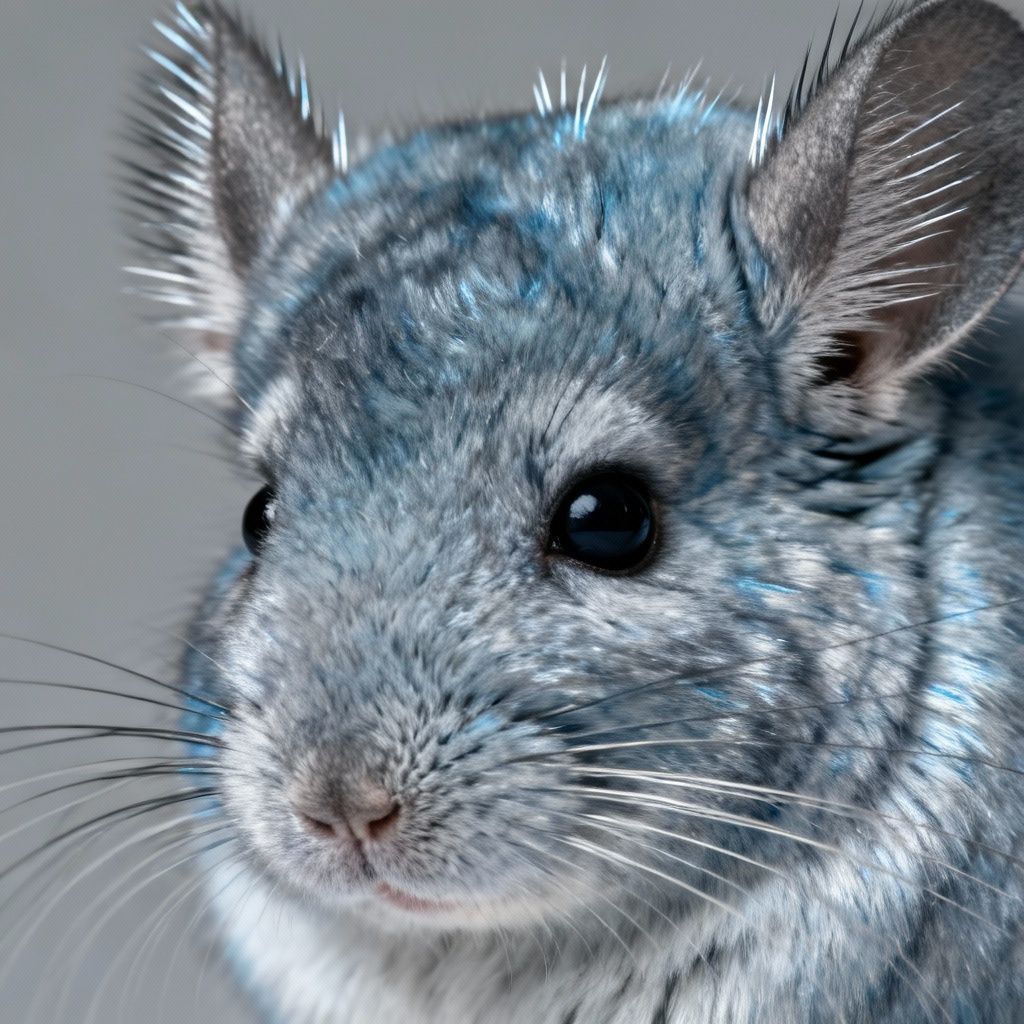
Croeso, enthusiaid chinchilla! Os ydych chi'n berchenog balch o'r cydweithwyr adorabl a gwlanen honno, deall eu taith hanesyddol yn gallu dwfnach eich gwerthfawrogiad iddynt. Oes Masnach y Môrwen, yn croesi roughly o'r 16eg ganrif hyd ddechrau'r 20fed ganrif, chwarae rhan sylweddol mewn siapio'r berthynas rhwng dynion a chinchillas. Brodorion i Fynyddoedd Andes De America, chinchillas oedd unwaith i'w helynio'n eang am eu môrwen anhygoel meddal a thlûs. Gadewch i ni duwia i mewn i'r cyfnod diddorol hwn a chyf探rch sut mae'n effeithio gofal chinchilla a chadwraeth heddiw.
Cyd-destun Hanesyddol Masnach y Môrwen
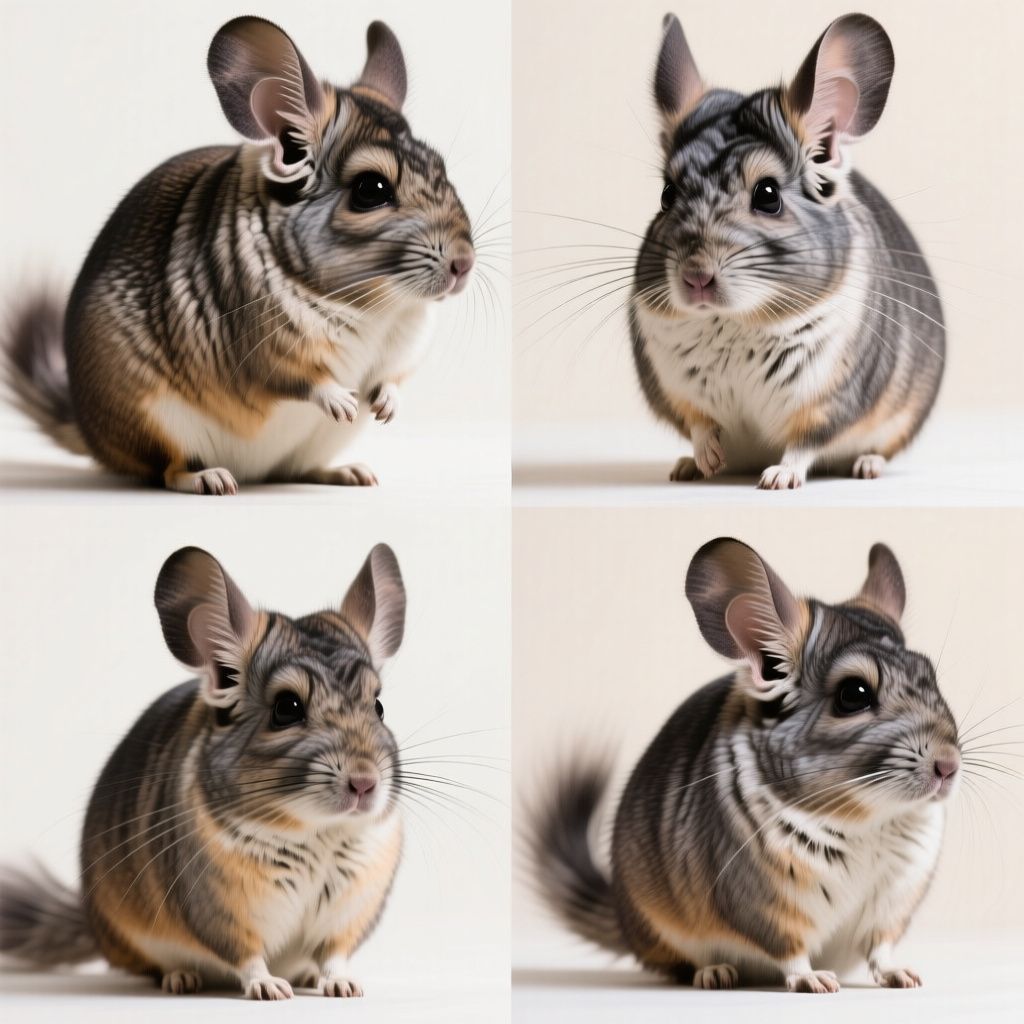
Chinchillas, yn benodol y rhywogaeth Chinchilla lanigera (caud hir) a Chinchilla chinchilla (caud fer), sydd â môrwen ymhlith y meddaf yn y byd, â hyd at 80 blew yn tyfu o un folffwl. Y nodwedd unigryw hon a wnaeth iddynt ddarget prif yn ystod Oes Masnach y Môrwen. Pobl brodorol Andes, fel trib an Chincha, yn gyntaf defnyddio pelts chinchilla am dillad a breision, gwerthfawgio eu cynhesrwydd a natur ysgafn. Fodd bynnag, pan ddaw archwyr Ewropeaidd yn y 16eg ganrif, y galw am môrwen chinchilla wnaeth llithro i'r nefoedd. I ganrif y 19fed, miliynau o chinchillas oedd i'w helynio'n flynyddol i gyflenwi marchnadoedd Ewrop a Gogledd America, lle bu eu môrwen yn symbol o fwyndran. Cofnodion hanesyddol amcangyfrif dros 21 miliwn pelts chinchilla a allwyd rhwng 1828 a 1916, yn gyrru'r ddau rywogaeth i mewnol dirywio.
Effaith ar Boblogaethau Chinchilla Gwyllt
Y helinaeth dwys yn ystod Oes Masnach y Môrwen oedd gan olafau distryw. I ddechrau 1900au, poplogaethau chinchilla gwyllt wnaeth cwymp, a chinchilla caud fer a greiddwyd i fod yn diryweddu hyd nes ad-ddarganfod coloneiau bach yn y 1970au. Chinchilla caud hir, tra yn fwy gwrthseiciol, hefyd wynebais gostyngiadau craidd. Hyn a arweiniodd i fesurau gwareddus, yn cynnwys gwahardd helinaeth mewn gwledydd fel Chile, Peru, Bolivia, a Argentina. Heddiw,'r ddau rywogaeth wedi eu rhestru fel endangered gan y Union Rhyngwladol ar gyfer Cadwraeth Natur (IUCN), â llai na 10,000 unigolion amcangyfrifedig i fod yn gwyllt. Etifeddiaeth masnach y môrwen yn gwasanaethu fel atgoffa llym o bwysigrwydd delwedd moesol a llywodraethau cadwraeth.
Trawsnewid i Dde-ilsa
Fel poplogaethau gwyllt a gwneuthur, masnach y môrwen a newidiwyd tuag at de-ilsa. Yn y 1920au, peiriannydd mwynau America o enw Mathias F. Chapman a dechreuodd bridio chinchillas mewn captiws, dod grŵp bach i Unol Daleithiau. Ymdrechion hyn a farnau dechrau diwydiant modern chinchilla plentyn a fferm môrwen. Tra bod fferm môrwen yn dal i fod yn rhwystredig, llawer o chinchillas gwreiddiol Chapman a fu'n rhieni chinchillas plentyn heddiw. Y trawswydd hwn yn golwgog sut ymyriad dynol yn gallu pivota o ddialiad i gydweithio, tuedd sy'n parhau fel chinchillas yn awr yn bennaf yn cael eu cadw fel plentynion caru yn hytrach na'u môrwen.
Cynghorau Prifol i Berchnogion Chinchilla
Deall Oes Masnach y Môrwen yn gallu ysbrydoli i ni ddarparu'r gorau gofal i'n chinchillas tra'n cynorthwyo cadwraeth. Dyma rhai cynghorau y gweithredadwy:
- Addysgwch Eich Hun a'r Eraill: Rhannu hanes chinchillas gyda cherddorion plentyn eraill i godi ymwybyddiaeth am eu statws endangered. Pleidleisio yn erbyn cynhyrchion môrwen o chinchillas neu anifeiliaid eraill.
- Cefnogaeth Llywodraethau Cadwraeth: Rhodd i neu gwirfoddoli gyda sefydliadau fel y Chinchilla Conservation Project, sy'n gweithio i warchann poplogaethau gwyllt yn De America.
- Darparu Amgueddfa Naturiol: Mimic eu cynefin Andean trwy gadw eu kys cool (60-70°F neu 15-21°C) a sych, fel eu môrwen tlûs a wneuthur ar gyfer hynafol uchel. Ochelaî uwch lleithder i atal problem iechyd côfio môrwen.
- Prynu Moesol: Sicrhau eich chinchilla yn dod o bridwr enwog sy'n blaenoriaeth iechyd dros nodweddion môrwen, ochelaî cynorthwy i ymarferion anmoesol cysylltiedig â etifeddiaeth masnach y môrwen.
Pam Mae'r Hanes Hwn'n Bwysig Heddiw
Oes Masnach y Môrwen nid dim ond pennod mewn llyfrau hanes; mae'n galwad i weithredu i berchnogion chinchilla. Trwy ddysgu am y ddialiad y bywydau hyn a deyrnasodd, gallwn ymrymu â'u llesiant a phleidleisio am eu cyfoeswyr gwyllt. Bob tro rydych yn cuddio eich chinchilla neu yn edrych arnynt yn tynnu ysgub dust, cofiwch gwrtsiddu'r rhywogaeth. Gyda'n gilydd, gallwn sicrhau bod etifeddiaeth masnach y môrwen yn troi'n dyfodol o gofal, parch, a gwarchaddu i'r creaduriaid swynol hyn.