Entwodiksyon nan Distribisyon Jeyografik Chinchilla yo
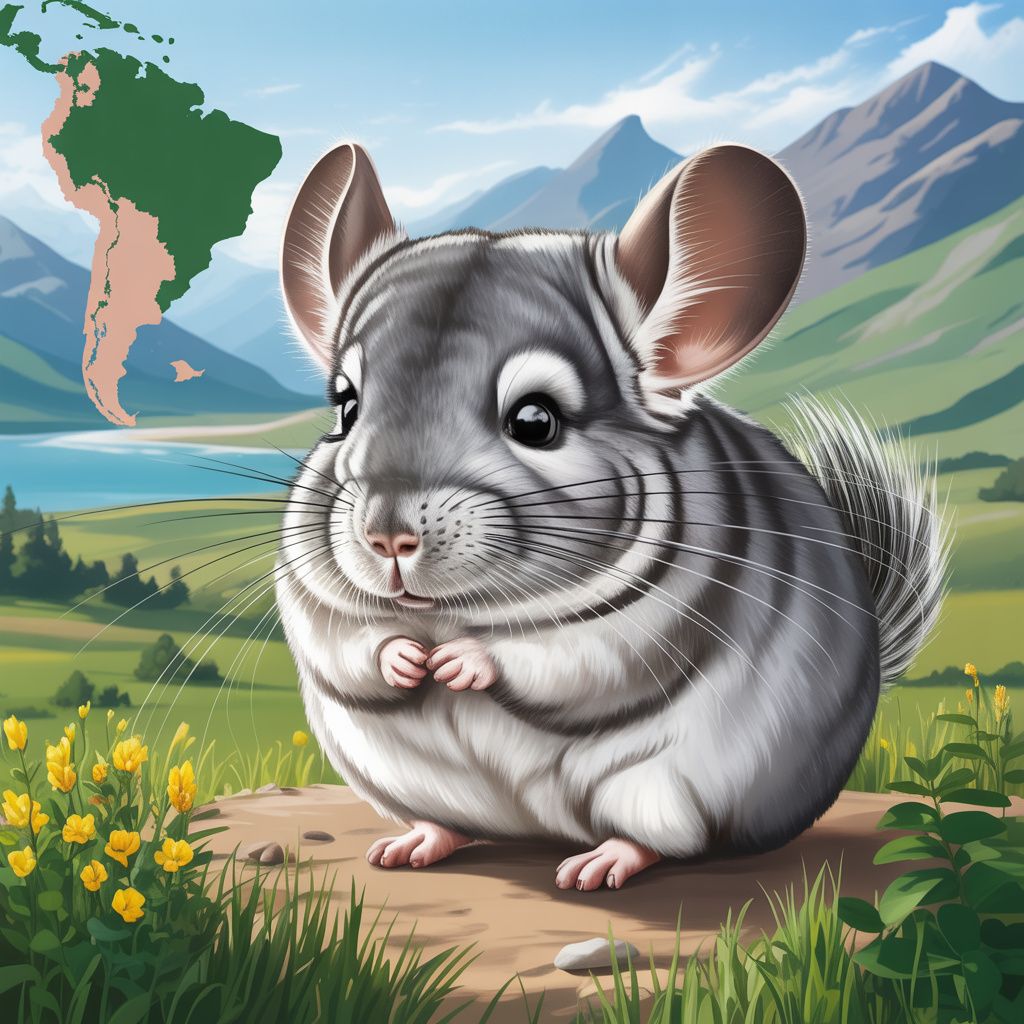
Pou pwopriyetè bèt kay chinchilla, konprann orijin jeyografik bèt adorab ak fluffy sa yo ka apwofondi apresyasyon w pou bezwen inik yo ak konpòtman yo. Chinchilla yo endijèn nan Amerik di Sid, espesyalman nan rejyon yo ki raman, nan wo altitid nan Mont Andes yo. Abita nati yo kouvri atravè peyi tankou Chili, Perou, Bolivi, ak Ajantin. Lè w ap eksplore ranje istorik yo ak preferans anviwònman an, ou ka pi byen kopi yon anviwònman kay konfòtab ak estimilan pou bèt kay ou.
Chinchilla yo fè pati fanmi Chinchillidae, e popilasyon sovaj yo malerezman diminye akòz pèt abita ak lachas pou fouri yo ki ekstraòdinè dous. Jodi a, yo konsidere kòm an danje nan brous, sa ki fè pwopriyetè bèt kay responsab vin pi enpòtan. Ann plonje nan kote chinchilla yo soti ak ki jan sa afekte swen yo.
Ranje Istorik nan Brous la
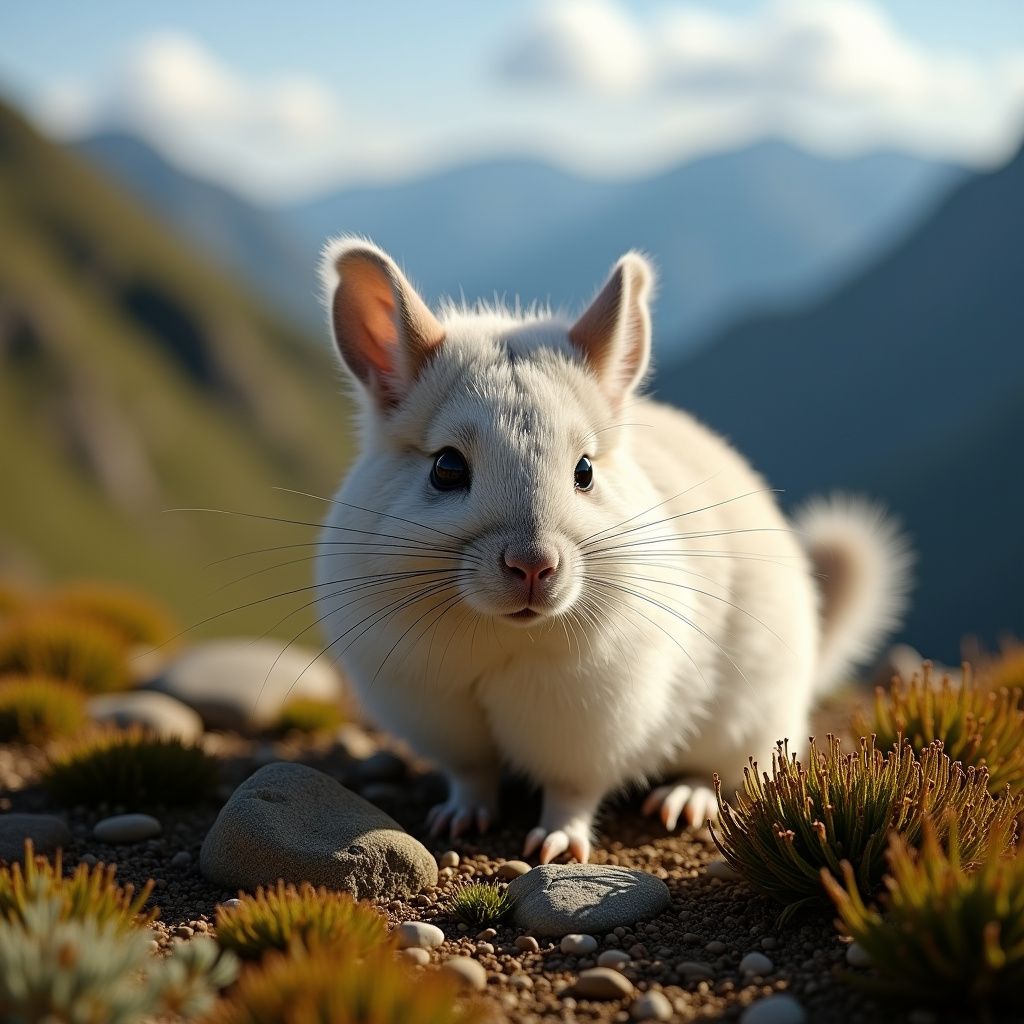
Chinchilla sovaj yo, espesyalman de espès prensipal yo—Chinchilla lanigera (chinchilla long-tailed) ak Chinchilla chinchilla (chinchilla short-tailed)—te yon fwa pwospere atravè yon gwo zòn nan Andes yo, soti nan sid Perou rive nan santral Chili. Ranje yo istorikman pwolonje ant altitid 3,000 a 5,000 mèt (anviwon 9,800 a 16,400 pye) anwo nivo lanmè. Wo altitid sa yo te bay yon klima fre, arid ak tèren wòch, pafè pou kapasite fouye ak sote yo.
Nan kòmansman 20yèm syèk la, popilasyon chinchilla yo te devaste akòz komès fouri. Yo estime ke milyon chinchilla yo te chase ant ane 1800 yo ak kòmansman ane 1900 yo, sa ki redwi nimewo yo drastikman. Jodi a, chinchilla sovaj yo jwenn nan zòn ki pi piti, fragmante, sitou nan Chili, ak rezèv pwoteje tankou Chinchilla National Reserve etabli pou pwoteje abita yo. Kòm pwopriyetè bèt kay, rekonèt istwa sa a mete aksan sou enpòtans sipòte pratik elvaj etik epi pa janm lage yon chinchilla domestike nan brous—yo pa ekipe pou siviv andeyò kaptivite.
Karakteristik Abita ak Adaptasyon
Chinchilla yo te evolye nan yon anviwònman trè espesifik, sa ki eksplike anpil nan karakteristik fizik ak konpòtman yo. Tiwo Andes yo frèt, sèk, ak van, ak tanperati ki souvan desann anba frizè lannwit. Chinchilla yo devlope fouri dans yo—ki gen jiska 60 cheve pou chak folikil, youn nan rad ki pi dans nan wayòm bèt la—pou yo rete cho. Gwo pye dèyè yo ak kapasite sote fò yo, ki pèmèt so jiska 6 pye, te ede yo navige falèz wòch yo ak chape predatè tankou rena ak zwazo rapa.
Yo krepiyskilè tou, sa vle di yo pi aktif nan douvanjou ak solèy kouche, yon karakteristik ki te ede yo evite solèy midi sevè ak predatè lannwit. Kòm pwopriyetè bèt kay, w ap remake instenks nati sa yo nan preferans chinchilla w ou pou tanperati pi fre (ideyalman 60-70°F oswa 15-21°C) ak eksplozyon enèji yo pandan bonè maten oswa èv.
Konsèy Pratik pou Pwopriyetè Bèt Kay
Konprann orijin jeyografik chinchilla yo ka dirèkteman amelyore swen yo lakay. Men kèk konsèy aksyon ki baze sou abita nati yo:
- Kontwòl Tanperati: Kenbe anviwònman chinchilla w ou fre ak sèk, ki imite klima And yo. Evite mete kaj yo toupre chofè oswa nan limyè solèy dirèk, paske tanperati anwo 75°F (24°C) ka lakòz koud chakay.
- Benyen Pousyè: Nan brous, chinchilla yo woule nan sann vòlkanik pou netwaye fouri yo. Bay yon benyen pousyè ak pousyè ki an sekirite pou chinchilla 2-3 fwa pa semèn pou kenbe sante rad yo.
- Orè Aktivite: Pwograme tan jwe pandan douvanjou oswa solèy kouche lè chinchilla w ou nati pi aktif. Sa aliman ak ritm krepiyskilè yo epi redwi estrès.
- Espas Sote Sekirite: Rasin And yo vle di chinchilla renmen sote ak kapse. Ekip kaj yo ak kouche ak platfòm pou imite tèren wòch, asire yo jwenn ase egzèsis.
Poukisa Distribisyon Jeyografik la Enpòtan
Konnen kote chinchilla yo soti se pa sèlman trivia—se yon kat wout pou pi bon swen. Orijin wo altitid, arid yo eksplike sansiblite yo a chalè ak imidite, bezwen yo pou benyen pousyè, ak nati enèjik, sote yo. Lè w repwodui eleman nan anviwònman nati yo, ou ede chinchilla w ou santi l an sekirite epi pwospere lakay ou. Anplis de sa, konsyans sou estati an danje yo nan brous ka enspire pwopriyetè pou defann efò konsèvasyon oswa sipòte òganizasyon ki pwoteje abita nati yo.
Kòm yon pwopriyetè chinchilla, ou pa sèlman ap pran swen yon bèt kay; w ap prezève yon moso istwa nati Amerik di Sid. Sèvi ak konesans sa a pou kreye yon anviwònman renmen, adapte ki onore eritaj inik yo.