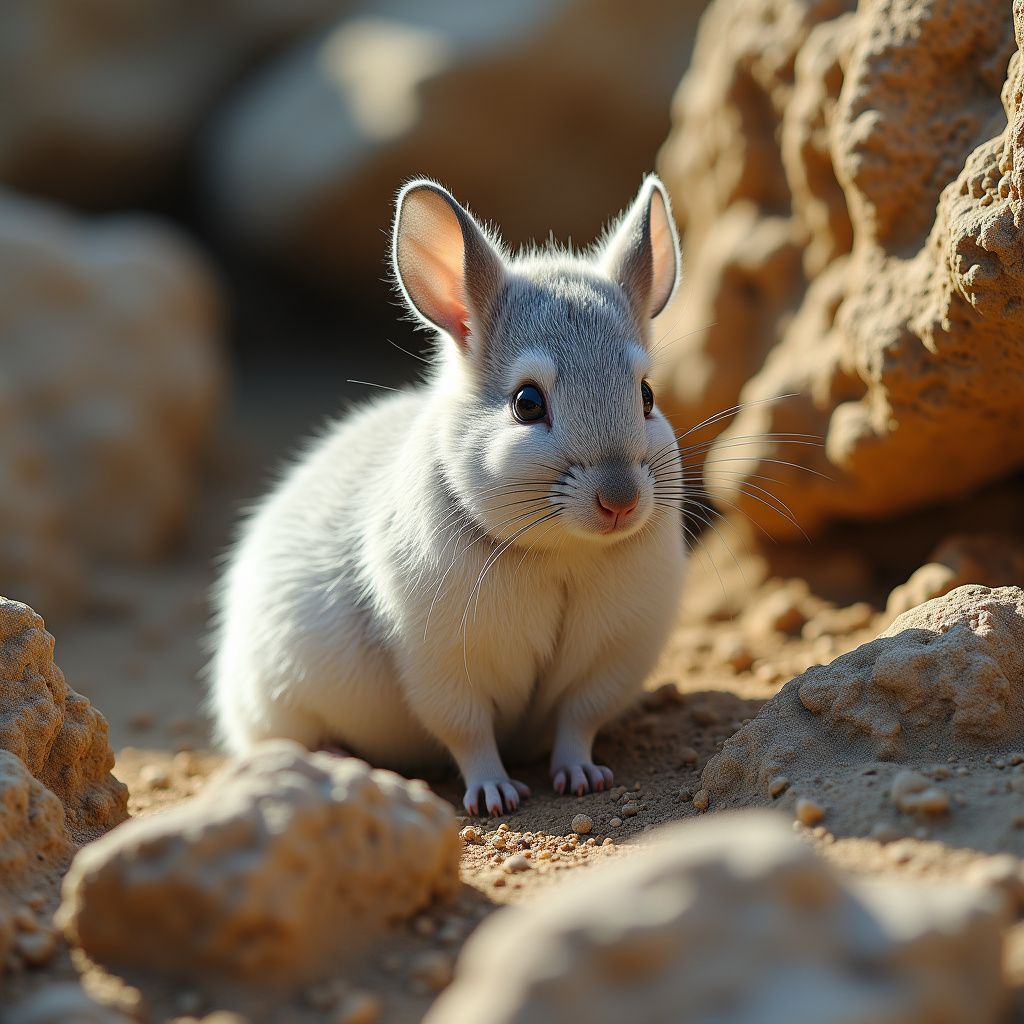

مقدمهای بر تاریخچه چینچیلا
چینچیلاها، آن جوندگان دوستداشتنی و پشمالو که دل صاحبان حیوانات خانگی در سراسر جهان را ربودهاند، تاریخی جذاب دارند که به قرنها پیش بازمیگردد. این موجودات کوچک بومی کوههای ناهموار آند در آمریکای جنوبی هستند و از بازماندگان وحشی به همراهان عزیز تبدیل شدهاند. درک ریشههای آنها نه تنها قدردانی ما را از آنها عمیقتر میکند، بلکه به ما کمک میکند با تقلید از محیط طبیعیشان، مراقبت بهتری از آنها داشته باشیم. بیایید به داستان گیرای چینچیلاها شیرجه بزنیم و کشف کنیم که گذشتهشان چگونه نیازهایشان را به عنوان حیوان خانگی امروز شکل میدهد.
ریشهها در طبیعت وحشی
چینچیلاها از ارتفاعات بالای آند سرچشمه میگیرند، عمدتاً در کشورهایی مانند شیلی، پرو، بولیوی و آرژانتین. آنها با شرایط سخت و خشک در ارتفاعات بین ۹۸۰۰ تا ۱۶۴۰۰ فوت (۳۰۰۰ تا ۵۰۰۰ متر) سازگار شدهاند، جایی که دما در شب میتواند به شدت کاهش یابد. دو گونه در طبیعت وحشی وجود دارد: چینچیلای دمدراز (Chinchilla lanigera) و چینچیلای دمکوتاه (Chinchilla chinchilla)، که اولی جد اکثر چینچیلاهای خانگی است. خز نرم و متراکم آنها—تا ۶۰ مو در هر فولیکول—به عنوان محافظت در برابر سرما تکامل یافته و یکی از نرمترین خزها در پادشاهی حیوانات است.
از نظر تاریخی، چینچیلاها در کلونیهای بزرگ زندگی میکردند و از شکافهای سنگی و لانهها برای پناهگاه استفاده میکردند. آنها غروبزی هستند، یعنی بیشترین فعالیت را در سحرگاه و غروب دارند، ویژگیای که به آنها کمک میکرد از شکارچیانی مانند روباهها و پرندگان شکاری دوری کنند. متأسفانه، جمعیتهای وحشی به دلیل از دست رفتن زیستگاه و شکار بیش از حد برای خزشان کاهش یافته است. تا اوایل قرن بیستم، هر دو گونه تقریباً منقرض شده بودند، که این امر تلاشهای حفاظتی را که امروزه ادامه دارد، برانگیخت.
نکته عملی برای صاحبان: از آنجایی که چینچیلاها با آبوهوای خنک و خشک سازگار شدهاند، قفس آنها را در اتاقی با دمای ۶۰-۷۰°F (۱۵-۲۱°C) نگه دارید. رطوبت بالای ۵۰% را اجتناب کنید، زیرا میتواند منجر به قارچ خز شود، و هرگز قفس را نزدیک نور مستقیم خورشید یا منابع گرما قرار ندهید.
اهلیسازی و تجارت خز
سفر چینچیلاها از حیوانات وحشی به حیوانات خانگی با علاقه انسان به خز لوکس آنها درهم تنیده است. مردمان بومی آند، از جمله قبیله چینچا (که نام حیوان از آنها گرفته شده)، از سال ۱۰۰۰ میلادی به بعد چینچیلاها را برای پوستشان شکار میکردند. وقتی استعمارگران اسپانیایی در قرن شانزدهم رسیدند، خز چینچیلا را به اروپا صادر کردند، جایی که نماد ثروت شد. تا قرن نوزدهم، تقاضا به شدت افزایش یافت و شکار انبوه جمعیتهای وحشی را نابود کرد.
در دهه ۱۹۲۰، مهندس آمریکایی به نام Mathias F. Chapman پتانسیل پرورش چینچیلا در اسارت را شناخت. او در سال ۱۹۲۳، ۱۱ چینچیلای وحشی از شیلی به ایالات متحده آورد و آغاز مزارع پرورش چینچیلای اهلی را رقم زد. ابتدا برای خز پرورش داده میشدند، اما از اواسط قرن بیستم، برخی به عنوان حیوان خانگی فروخته شدند، زیرا مردم شیفته طبیعت آرام و رفتارهای عجیب آنها شدند.
نکته عملی برای صاحبان: چینچیلاها سابقه شکار شدن دارند، بنابراین به طور طبیعی ترسو هستند. اعتماد را با حرکت آهسته، صحبت نرم و ارائه تشویقی مانند تکه کوچکی از سیب خشک (به مقدار متوسط) بسازید تا احساس امنیت کنند.
تکامل به حیوانات خانگی محبوب
تا دهههای ۱۹۶۰ و ۱۹۷۰، چینچیلاها از حیوانات مزارع خز به همراهان خانگی تبدیل شدند، به ویژه در آمریکای شمالی و اروپا. پرورشدهندگان بر خلقوخو و جهشهای رنگی تمرکز کردند و نژادهایی مانند بنفش، یاقوتی و بژ را در کنار خاکستری استاندارد ایجاد کردند. امروزه، چینچیلاها به خاطر شخصیت بازیگوش، بوی کم و عمر طولانی ۱۰-۲۰ ساله با مراقبت مناسب ارزشمند هستند.
غرایز وحشی آنها همچنان قوی است. چینچیلاها عاشق پریدن و بالا رفتن هستند که بازتاب تبار کوهنشینیشان است، و برای حفظ سلامت خز نیاز به حمام گردوغبار دارند—رفتاری که تقلید غلتیدن در خاکستر вулкани در طبیعت است. درک این ریشهها به صاحبان کمک میکند محیطهای غنیکنندهای ایجاد کنند که از استرس و کسالت جلوگیری کند.
نکته عملی برای صاحبان: قفس بلند و چندسطحی (حداقل ۳ فوت ارتفاع) با سکوهایی برای پریدن فراهم کنید، و ظرف حمام گردوغبار با گردوغبار ایمن برای چینچیلا را ۲-۳ بار در هفته به مدت ۱۰-۱۵ دقیقه عرضه کنید. این کار خز آنها را تمیز نگه میدارد و عادتهای طبیعیشان را ارج مینهد.
چرا تاریخچه برای مراقبت از چینچیلا مهم است
دانستن اینکه چینچیلاها از کجا آمدهاند فقط trivia نیست—نقشه راهی برای رفاه آنهاست. ریشههای ارتفاعات بالای آنها یعنی در شرایط خنک و پایدار شکوفا میشوند، در حالی که تاریخ اجتماعیشان در کلونیها نشان میدهد از همراهی لذت میبرند، چه با چینچیلای دیگر یا خانواده انسانی. با احترام به گذشتهشان، میتوانیم اطمینان حاصل کنیم که زندگی شاد و سالمی به عنوان حیوان خانگی داشته باشند. پس، دفعه بعد که چینچیلایتان پرید یا حمام گردوغبار گرفت، به یاد آورید: شما میلیونها سال تکامل آندی را درست در خانهتان شاهد هستید!