Introdução à Taxonomia e Classificação de Chinchillas
Bem-vindos, entusiastas de chinchillas! Se você é um orgulhoso dono de chinchilla, entender a taxonomia e classificação dessas criaturas adoráveis e fofas pode aprofundar sua apreciação por elas. A taxonomia é a ciência de nomear, descrever e classificar organismos, e ela nos ajuda a entender onde as chinchillas se encaixam na grande árvore da vida. Este artigo vai guiá-lo pela história e classificação científica das chinchillas, oferecendo insights sobre suas origens e dicas práticas para donos se conectarem com a herança natural de seus pets.
A Classificação Científica das Chinchillas
As chinchillas pertencem à família dos roedores, e sua classificação científica as coloca em um ponto único entre os mamíferos. Aqui está uma divisão de sua hierarquia taxonômica:
- Reino: Animalia (animais)
- Filo: Chordata (animais com coluna vertebral)
- Classe: Mammalia (mamíferos)
- Ordem: Rodentia (roedores, que inclui mais de 2.000 espécies em todo o mundo)
- Família: Chinchillidae (uma pequena família de roedores sul-americanos)
- Gênero: Chinchilla
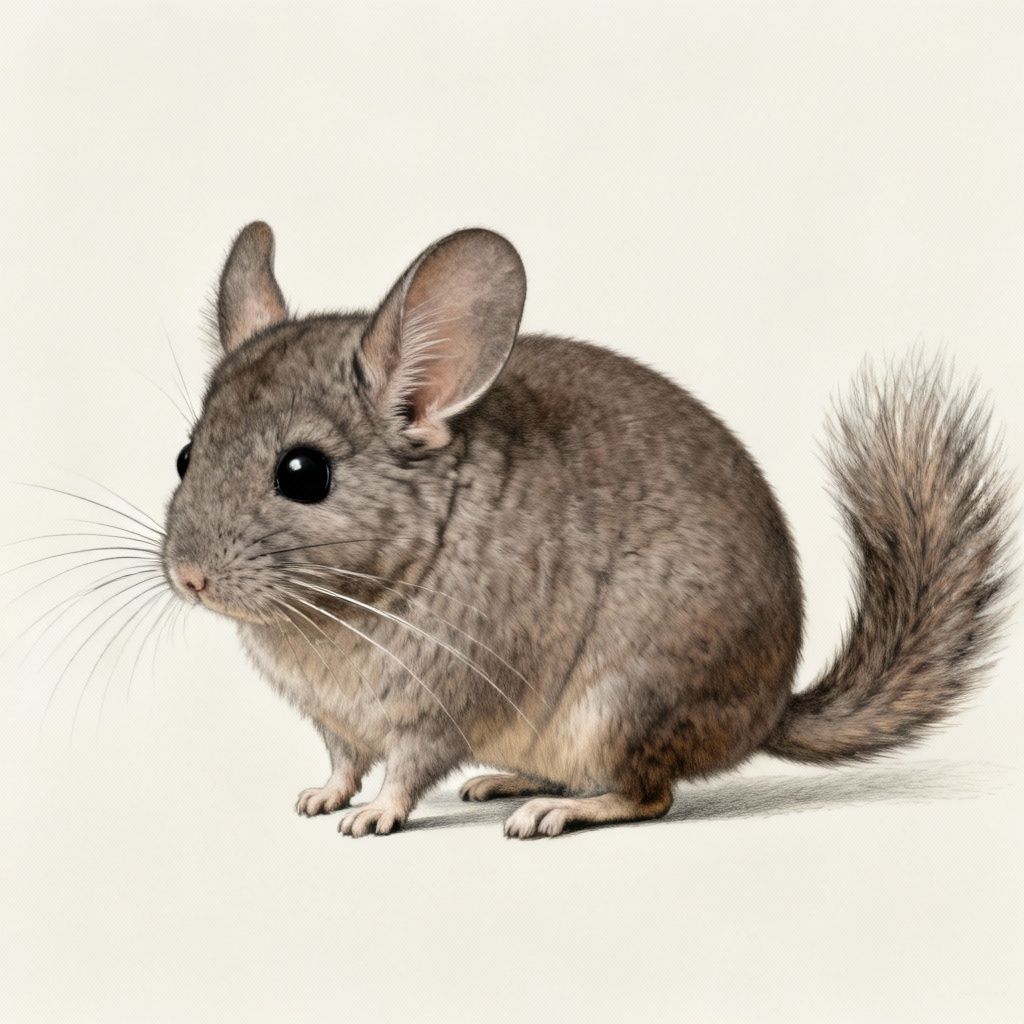
- Espécie: Existem duas espécies reconhecidas—Chinchilla lanigera (chinchilla de cauda longa, a espécie de pet mais comum) e Chinchilla chinchilla (chinchilla de cauda curta, menos comum em cativeiro).
Contexto Histórico da Classificação de Chinchillas
As chinchillas foram descritas cientificamente pela primeira vez no início do século XIX. O nome "Chinchilla" acredita-se que venha do povo Chincha, um grupo indígena da América do Sul que valorizava esses animais por sua pelagem. No final dos anos 1800, as chinchillas foram caçadas intensamente por sua pelagem densa e luxuosa, que contém cerca de 60 fios por folículo (comparado a apenas um fio por folículo em humanos!). Essa superexploração levou à quase extinção na natureza, motivando esforços de conservação e o surgimento da criação doméstica no início do século XX.
Para donos de pets, essa história ressalta a importância de apoiar práticas de criação éticas. Ao adotar uma chinchilla, certifique-se de que ela venha de um criador respeitável ou resgate para evitar contribuir para práticas insustentáveis.
Por Que a Taxonomia Importa para Donos de Chinchillas
Você pode se perguntar: “Como a taxonomia me ajuda a cuidar da minha chinchilla?” Entender sua classificação fornece pistas sobre seus comportamentos e necessidades naturais. Por exemplo, como roedores, as chinchillas têm um instinto natural de roer para manter os dentes de não crescerem excessivamente. Fornecer brinquedos seguros para roer, como madeira não tratada ou pedras de pumice, é essencial para a saúde dental delas.
Além disso, suas origens nas montanhas sul-americanas significam que as chinchillas prosperam em ambientes frescos e secos. Sua pelagem densa é adaptada a grandes altitudes, então manter o espaço de vida entre 60-70°F (15-21°C) e evitar alta umidade imita seu habitat natural. Superaquecimento pode ser fatal, então a taxonomia nos lembra de priorizar o controle de temperatura em vez de estética ao montar a gaiola.
Dicas Práticas para Donos Baseadas na Taxonomia
Aqui estão algumas dicas acionáveis inspiradas na taxonomia e história das chinchillas:
- Imite Seu Habitat: Monte uma gaiola espaçosa com plataformas para pular, pois as chinchillas são escaladoras ágeis nas Andes selvagens. Mire em uma gaiola com pelo menos 3 pés de altura para satisfazer seus instintos naturais.
- Necessidades Alimentares: Como roedores, as chinchillas precisam de uma dieta rica em fibras. Ofereça feno ilimitado (como feno de timothy) e pellets limitados (cerca de 1-2 colheres de sopa diárias) para espelhar seus hábitos naturais de forrageamento.
- Comportamento Social: Na natureza, as chinchillas vivem em colônias. Considere adotar um par se você não puder passar horas diárias com seu pet, mas introduza-os devagar para evitar estresse.
- Consciência de Conservação: Honre sua história de quase extinção educando outros sobre chinchillas. Compartilhe fatos como a população selvagem de Chinchilla chinchilla agora está abaixo de 10.000, incentivando apoio à proteção da vida selvagem.
Conectando-se com as Raízes da Sua Chinchilla
Aprender sobre taxonomia não é só acadêmico—é uma forma de se conectar com seu pet. Da próxima vez que você vir sua chinchilla pular ou tomar um banho de poeira (um comportamento ligado ao seu ambiente nativo seco e empoeirado), lembre-se de que elas estão exibindo instintos aprimorados ao longo de milênios nas Andes. Ao alinhar seus cuidados com sua história natural, você não é só um dono de pet; você é um guardião de uma espécie única com um passado fascinante. Então, continue explorando, continue aprendendo e dê à sua chinchilla a vida que seus ancestrais aprovariam!