जंगली चिंचिला का परिचय
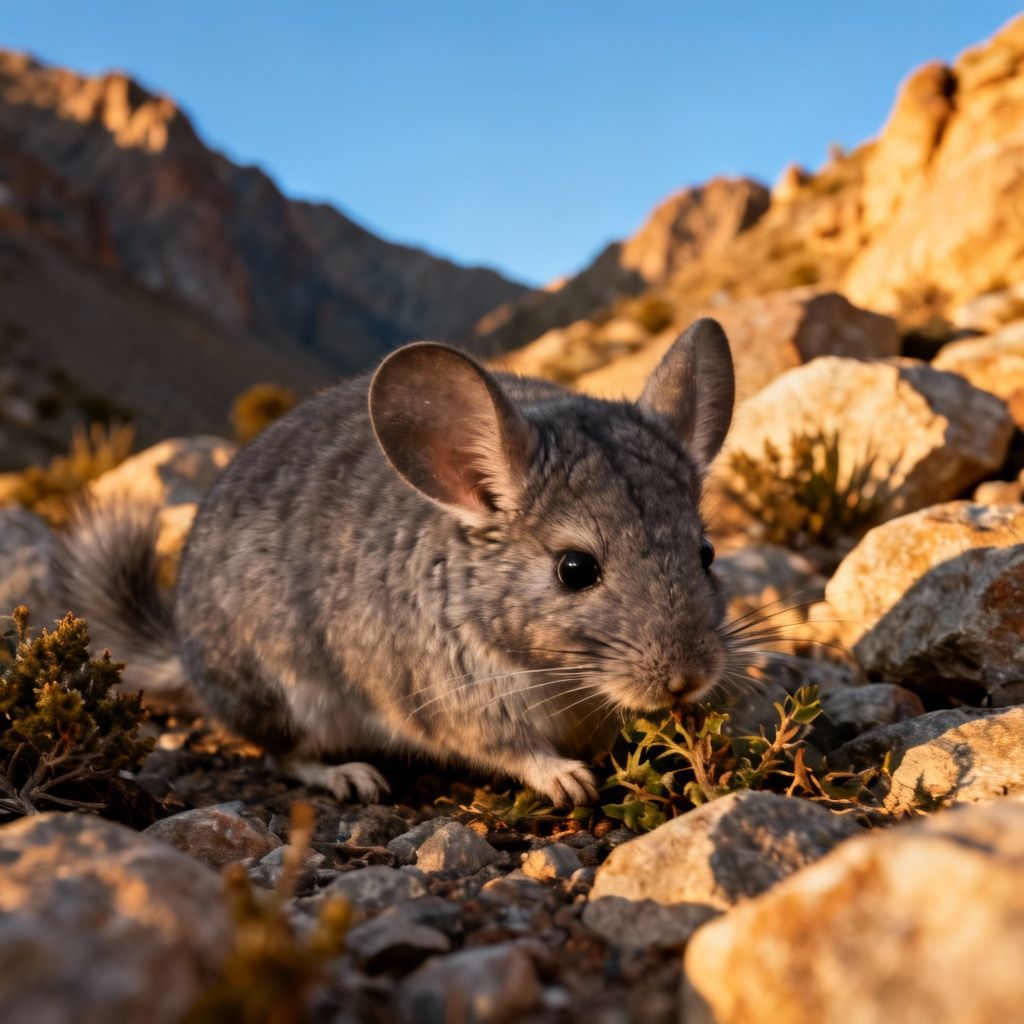
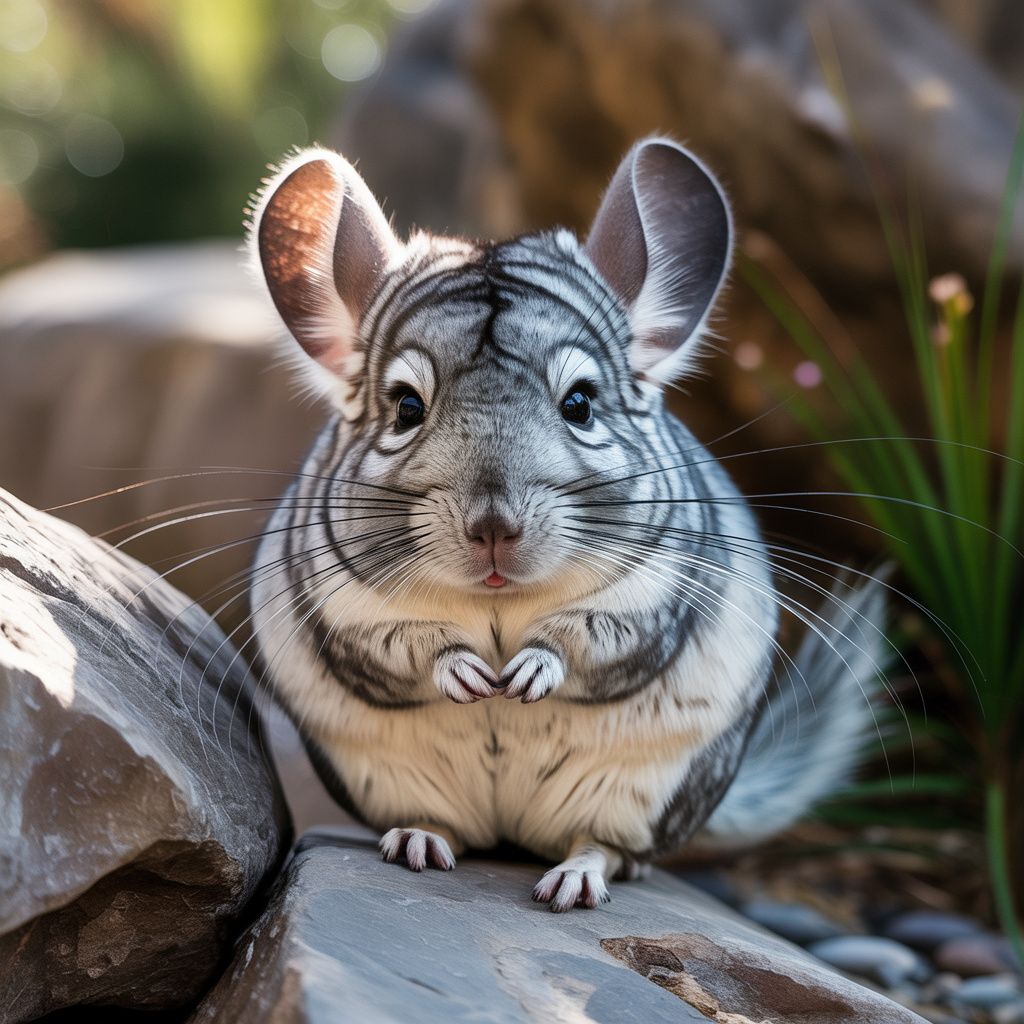
जंगली चिंचिला, दक्षिण अमेरिका के एंडीज पर्वतों के मूल निवासी फूले-फूले और प्यारे कृंतक, आज कई पालतू मालिकों द्वारा पाले जाने वाले पालतू चिंचिला के पूर्वज हैं। उनकी प्राकृतिक इतिहास और जंगली जीवन में वर्तमान स्थिति को समझने से आपके पालतू के प्रति आपकी सराहना गहरी हो सकती है और प्राकृतिक वातावरण की नकल करके बेहतर देखभाल प्रदान करने में मदद मिल सकती है। यह लेख जंगली चिंचिला के आज के जीवन, उनकी चुनौतियों और पालतू मालिकों के लिए उनकी प्राकृतिक आदतों से प्रेरणा लेकर उनके चिंचिला के कल्याण को कैसे बढ़ाया जा सकता है, का अन्वेषण करता है।
ऐतिहासिक पृष्ठभूमि और वर्गीकरण
चिंचिला Chinchillidae परिवार से संबंधित हैं और दो प्रजातियों में विभाजित हैं: लंबी पूंछ वाला चिंचिला (Chinchilla lanigera) और छोटी पूंछ वाला चिंचिला (Chinchilla chinchilla)। दोनों प्रजातियाँ चिले, पेरू, बोलीविया और अर्जेंटीना के ऊबड़-खाबड़, शुष्क उच्चभूमि की मूल निवासी हैं। ऐतिहासिक रूप से, चिंचिला बहुत प्रचुर थे, जिनकी संख्या लाखों में थी, और स्वदेशी लोगों द्वारा उनकी अविश्वसनीय रूप से मुलायम फर के लिए मूल्यवान थे। हालांकि, 20वीं शताब्दी की शुरुआत तक, फर व्यापार के लिए अत्यधिक शिकार ने उनकी संख्या को नाटकीय रूप से कम कर दिया, जिससे दोनों प्रजातियाँ विलुप्ति के कगार पर पहुँच गईं। आज, वे International Union for Conservation of Nature (IUCN) द्वारा लुप्तप्राय घोषित हैं, जिसमें C. lanigera की जंगली आबादी 10,000 से कम अनुमानित है और C. chinchilla की और भी कम।
जंगली जीवन में वर्तमान स्थिति
जंगली चिंचिला एंडीज में खनन, कृषि और शहरी विकास के कारण आवास हानि से निरंतर खतरे का सामना कर रहे हैं। उनका प्राकृतिक आवास—3,000 से 5,000 मीटर (9,800 से 16,400 फीट) की ऊँचाई पर चट्टानी, बंजर ढलान—सिकुड़ रहा है, और जलवायु परिवर्तन उनकी नाजुक पारिस्थितिकी तंत्र को और बाधित कर रहा है। लोमड़ियों और शिकारी पक्षियों द्वारा शिकार भी उनकी छोटी, खंडित आबादी के लिए जोखिम पैदा करता है। चिले और पेरू में संरक्षण प्रयासों में संरक्षित अभयारण्य शामिल हैं, जैसे चिले का Las Chinchillas National Reserve, जो शेष C. lanigera आबादी का महत्वपूर्ण हिस्सा आश्रयित करता है। हालांकि, अवैध शिकार और संरक्षण कार्यक्रमों के लिए सीमित धनराशि पुनर्बहाली प्रयासों को बाधित करती रहती है।
इन चुनौतियों के बावजूद, जंगली चिंचिला अपने कठोर वातावरण के लिए उल्लेखनीय रूप से अनुकूलित हैं। वे सांध्यकालीन हैं, भोर और सांझ में सबसे सक्रिय रहते हैं, और सुरक्षा तथा गर्मी के लिए 100 व्यक्तियों तक की कॉलोनियों में रहते हैं। उनका भोजन कठोर घास, छाल और रसीले पौधों से मिलकर बनता है, जिन्हें वे न्यूनतम पानी के साथ कुशलता से पचाने के लिए विकसित हुए हैं—यह पालतू चिंचिला के लाड़-प्यार भोजन से पूर्ण विपरीत है!
पालतू मालिकों के लिए अंतर्दृष्टि
जंगली चिंचिला के बारे में जानना आपके पालतू की देखभाल को सीधे लाभ पहुँचा सकता है। यहाँ उनकी प्राकृतिक आदतों और आवश्यकताओं से प्रेरित कुछ व्यावहारिक सुझाव दिए गए हैं:
- उनके वातावरण की नकल करें: जंगली चिंचिला 50-70°F (10-21°C) तापमान वाली ठंडी, शुष्क स्थितियों में फलते-फूलते हैं। अपने पालतू के पिंजरे को सीधे सूर्य की रोशनी, आर्द्रता और ऊष्मा स्रोतों से दूर रखें, क्योंकि अधिक गर्मी घातक हो सकती है। जंगली में वे जिन चट्टानी सतहों से प्यार करते हैं उनकी नकल करने के लिए पिंजरे में एक सिरेमिक टाइल रखने पर विचार करें, जो एक ठंडा विश्राम स्थान बनेगी।
- प्राकृतिक व्यवहार को प्रोत्साहित करें: जंगली में, चिंचिला चट्टानी इलाकों में कुशल कूदने वाले और चढ़ने वाले होते हैं। अन्वेषण और व्यायाम की उनकी आवश्यकता को संतुष्ट करने के लिए एक विशाल, बहु-स्तरीय पिंजरा प्लेटफार्म और कगारों के साथ प्रदान करें। सुरक्षित लकड़ी से बने चबाने वाले खिलौने उनकी छाल चबाने की आदत की नकल करते हैं।
- आहार संबंधी विचार: जंगली चिंचिला उच्च-रेशेदार, कम-वसा वाला आहार खाते हैं। उच्च-गुणवत्ता वाले chinchilla pellets और असीमित Timothy hay पर टिकें, चीनी युक्त मिठाइयों या फलों से बचें जो उनके पाचन तंत्र को बिगाड़ सकते हैं। उनकी विविध जंगली आहार को सम्मान देते हुए कैमोमाइल या डैंडेलियन की पत्तियों जैसे सूखे जड़ी-बूटियों की छोटी मात्राएँ दें।
- सामाजिक आवश्यकताएँ: चूंकि जंगली चिंचिला कॉलोनियों में रहते हैं, यदि वे संगत हैं तो कई चिंचिला साथ रखने पर विचार करें, या एकल पालतू के साथ पर्याप्त समय बिताकर अकेलापन रोकें। हमेशा नए चिंचिला को धीरे-धीरे परिचय दें ताकि तनाव या लड़ाई न हो।
पालतू मालिकों के लिए यह क्यों महत्वपूर्ण है
जंगली चिंचिला की दुर्दशा को समझना पालतू मालिकों को संरक्षण प्रयासों का समर्थन करने के लिए प्रेरित कर सकता है। Chinchilla Conservation Program जैसे संगठनों को दान करने या उनके आवासों की रक्षा करने वाली सतत प्रथाओं की वकालत करने पर विचार करें। अपने पालतू की देखभाल उनके जंगली जड़ों के प्रति जागरूकता के साथ करके, आप न केवल उनके जीवन की गुणवत्ता सुधार रहे हैं बल्कि उनकी प्रजाति की लचीलापन का सम्मान भी कर रहे हैं। आपके चिंचिला की हर कूद और धूल स्नान एंडीज में उनके पूर्वजों के जीवन की छोटी-सी गूंज है—आइए सुनिश्चित करें कि ये जंगली गूँज आने वाली पीढ़ियों के लिए जारी रहें।