Fitsapana ny Sarinkulin'ny Hatevin'ny Trano Vola ho an'ny Chinchilla
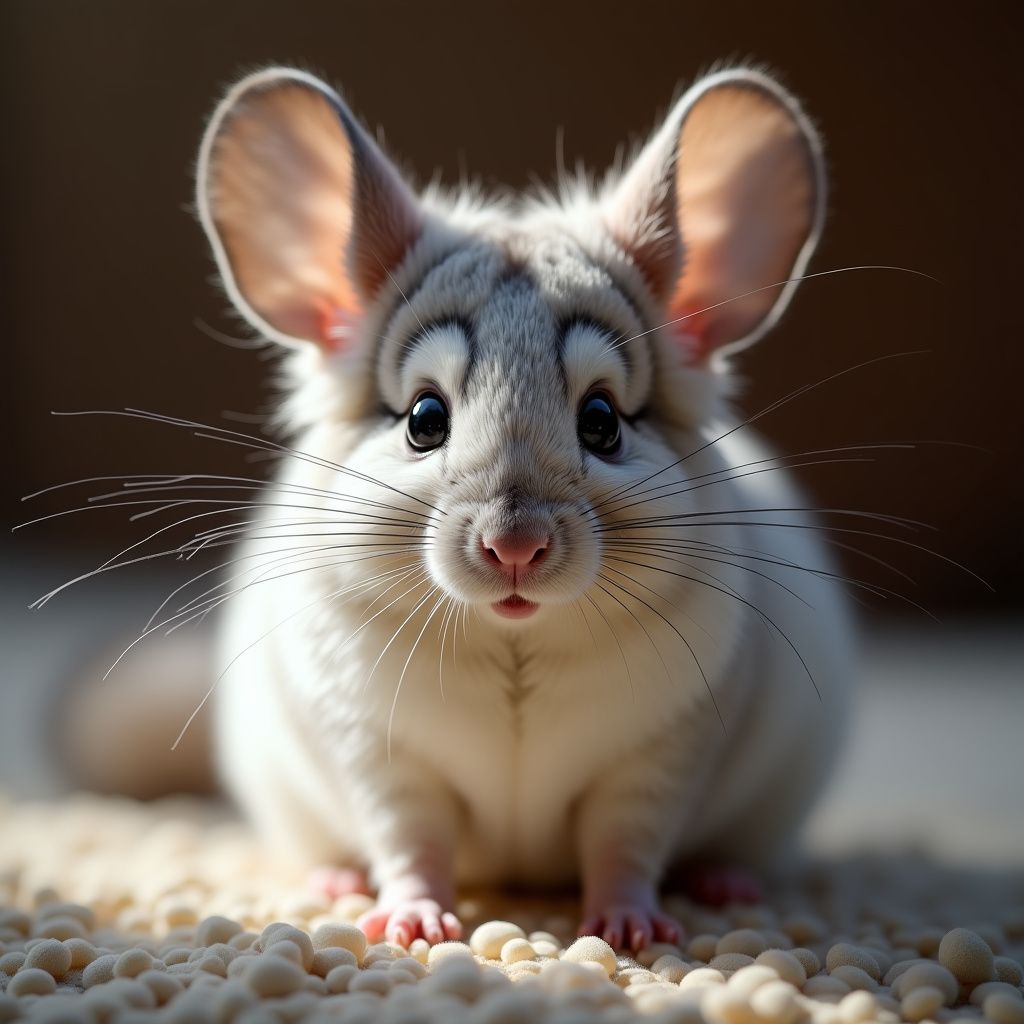
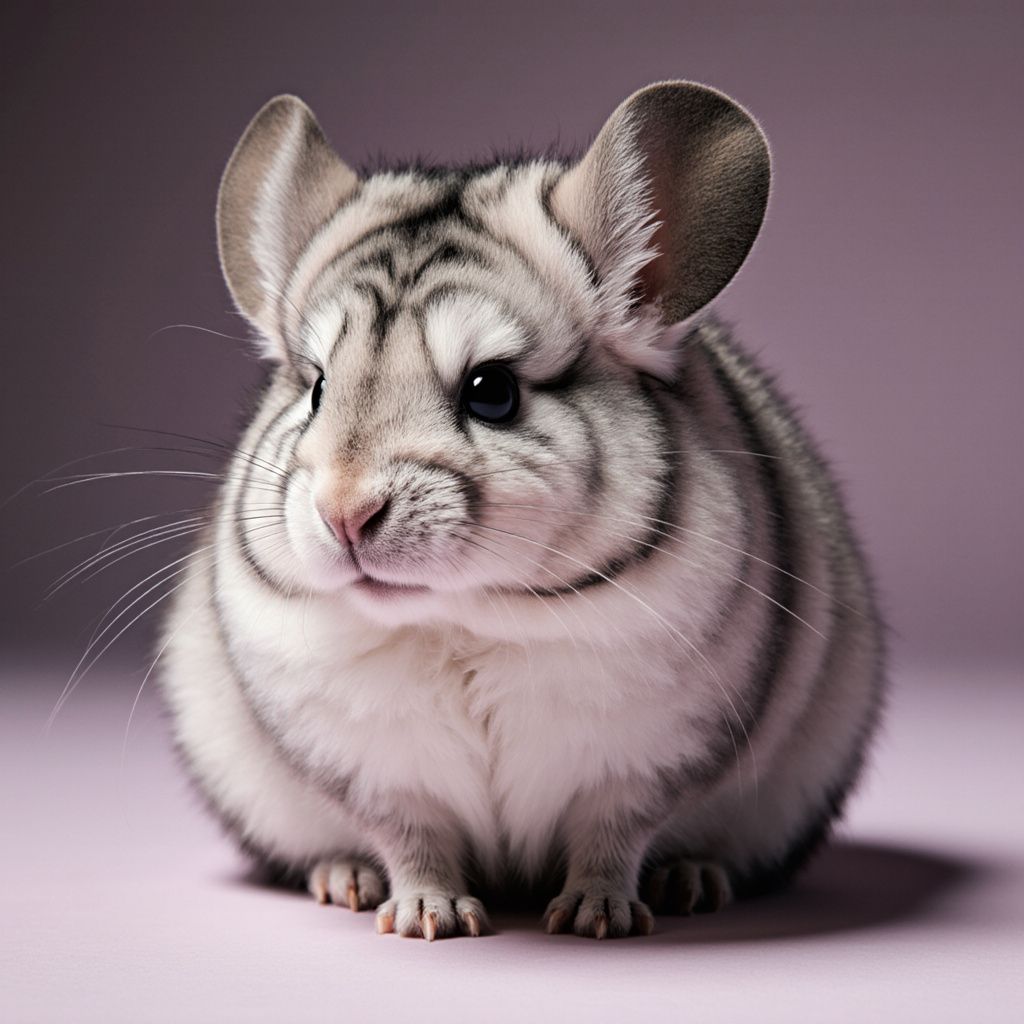
Chinchilla dia biby fiompy mavitrika, mitady zavatra vaovao, ary misy hery be izay mila toerana be hananganana azy ireo. Ny fanomezana hatevin'ny trano vola marina dia zava-dehibe ho an'ny fahasalamana ara-batana sy ny fahasalamana ara-panahy. Mafa-tsiny amin'ny biby kely kely, chinchilla mila toerana ampitohy sy ivelany hanakona, hanidina, sy hanadihadiana, izay mitovy amin'ny trano aloha ao an-tendrombohitra Andes any Amerika Atsimo. Ny trano vola fohy na tsy ampy dia mety mitarika ho amin'ny adin-tsaina, fahasahiranana, na fiovana ara-pahasalamana toy ny matavy na ny fandevonan'ny volom-biby. Aoka isika hiditra amin'ny zava-dehibe tokony hojerena amin'ny fanapahan-kevitra ny hatevin'ny trano vola tsara indrindra ho an'ny chinchilla anao.
Sarinkulin'ny Hatevina Tena Kely Indrindra
Ny hatevina tena kely indrindra ho an'ny chinchilla iray ihany dia tokony ho 3 feet lehibe, 2 feet lalina, ary 3 feet hatramin'ny ambony (3x2x3 feet). Na izany aza, ny lehibe kokoa no tsara kokoa! Ho an'ny chinchilla roa, mikady farafaharatsiny 4 feet lehibe, 2 feet lalina, ary 3 feet hatramin'ny ambony (4x2x3 feet) mba hanomezana toerana ho an'ny fahazoana azy ireo tsy misy fahasahiranana. Ireo hateny ireo dia manamafy fa manana toerana ho an'ny asa ilaina toy ny fanakona sy ny fanidiana izy ireo, satria chinchilla afaka misakatra hatramin'ny 6 feet ambony amin'ny fotoana fohy. Raha tsy afaka manome trano vola amin'io hatevina io ianao, avereno indray raha chinchilla no biby fiompy mety ho an'ny toe-draharaha misakana anao, satria ny fahafinaretan'izy ireo dia mifototra amin'ny toerana ampy.
Zava-dehibe koa ny fanamafisana fa maro ny trano vola ampiasain'ny chinchilla novolavolaina ao amin'ny fivarotana biby fiompy dia kely loatra. Aza misafidy ny trano vola iray ambony na fohy, na dia misy fanamarihana ho "mety" aza izy ireo. Fa ny safidiana ny trano vola miisa ambony maro na fanamboarana manokana izay mamela ny fanadihadiana ampitohy. Ny fitsipika tsara indrindra dia ny hoe ny trano vola tokony ho hatramin'ny ambony indray mivantana noho ny lehibe mba hanomezana ny fitondran-tena fanakona voajanahary.
Nahoana no Zava-dehibe ny Toerana ho an'ny Fahasalamana Chinchilla
Chinchilla tsy mavitrika ihany—hevitra ho an'ny fitondra. Ao an'ala, mandeha amin'ny tany vato amin'ny haingovitra izy ireo, ka ny trano vola lehibe dia mamerina io tontolo iainana io ary manala ny fahasahiranana. Ny trano vola kely loatra dia mety miteraka adin-tsaina, izay mitarika ho amin'ny fitondran-tena toy ny fihodinana na ny fandevonan'ny varotra. Ny tsy fananana toerana fitondra dia afaka mitondra ho amin'ny fanangonana lanjany koa, satria chinchilla mila toerana hanala ny hery avy amin'ny sakafo misy vitamina be toy ny bono sy ny granola.
Fanampiny, ny trano vola lehibe kokoa dia mamela anao hanampy zavatra ilaina toy ny seza, seza, ary toerana misintona tsy misy fahasahiranana. Ireo fanatsarana ireo dia zava-dehibe ho an'ny fanamafisana ny fanahy. Raha tsy misy toerana ampy, chinchilla anao dia mety mahatsapa ho voafetra, izay afaka mampihena ny toetra fijaliana azy ireo amin'ny fotoana lava.
Torohevitra Azo Atao ho an'ny Fanapahan-kevitra sy Fanamboarana Trano Vola
Ireto misy torohevitra azo atao mba hanamafisana fa ny trano vola chinchilla anao dia mifanaraka amin'ny filan'izy ireo:
- Safidio ny Endrika Miisa Ambony: Chinchilla tia ny miakatra, ka andramo ny trano vola misy seza na etajero. Hamafy fa ny halaviran'ny ambony misy ny seza dia azo antoka (tsy mihoatra ny 12 inches) mba hisorohana ny fianjerana.
- Jereo ny Halaviran'ny Varotra: Ny varotra tokony ho tsy lehibe noho ny 1 inch mba hisorohana ny fahafahana misintona na ny ratra. Aza misafidy ny trano vola misy lanja varotra, satria mety manimba ny tongony malemy azy ireo—ampiasao ny lanja misy hatsaran-tarehy na tavoahangy ny varotra amin'ny zavatra azo antoka toy ny fleece.
- Ampiasao ny Toe-draharaha: Apetraho ny trano vola ao amin'ny toerana mangina, misy fanaraha-maso ny hafanana (60-70°F na 15-21°C) ialoha ny rivotra mangatsiaka sy ny masoandro mivantana. Ny trano vola lehibe kokoa dia mety misaka ny toerana ao an-tranonao, ka manomboka tsara.
- Ampio Raha Ilaina: Raha nanomboka whena trano vola kely ianao, jereo ny fitondran-tena chinchilla anao. Raha toa ka toa adin-tsaina na adin-tsaina izy ireo, fotoana hanampiana trano vola lehibe kokoa.
- Safidy DIY: Raha lafo loatra na tsy mifanaraka amin'ny sarinkuliny ny trano vola ara-barotra, andramo ny manamboatra trano misintona manokana amin'ny zavatra azo antoka toy ny hazo tsy misy kemika na frame metaly. Hamafy fizarana rivotra tsara sy fanamboarana azo antoka fotsiny ihany.
Hevitra Farany momba ny Hatevin'ny Trano Vola
Ny fananana vola ho an'ny hatevin'ny trano vola marina dia iray amin'ireo fanapahan-kevitra zava-dehibe indrindra azonao atao ho mpitantan'ny chinchilla. Ny trano vola lehibe, voaporofo tsara dia tsy mitandrina ny fahasalamana ny biby fiompy anao ihany fa mamela koa ny toetra misy azy ireo hitarika. Tsarovy fa chinchilla afaka miaina 10-20 taona miaraka amin'ny fanompoana tsara, ka jereo ny trano vola ho trano lava. Amin'ny fanomezana laharam-pahamehana ny toerana sy ny fanatsarana, dia manomboka fototry ny namana faly, misakatra izay hitondra hafaliana ho an'ny fiainanao mandritra ny taona maro. Raha misy ahiahy tamin'ny fotoana rehetra ianao, mangataha torohevitra amin'ny dokotera biby na mpitantan'ny chinchilla manam-pahaizana mba hanamarina fa ny fanamboaranao dia mifanaraka amin'ny filan'ny biby fiompy anao manokana.