Introduction to Chinchilla Cage Basics
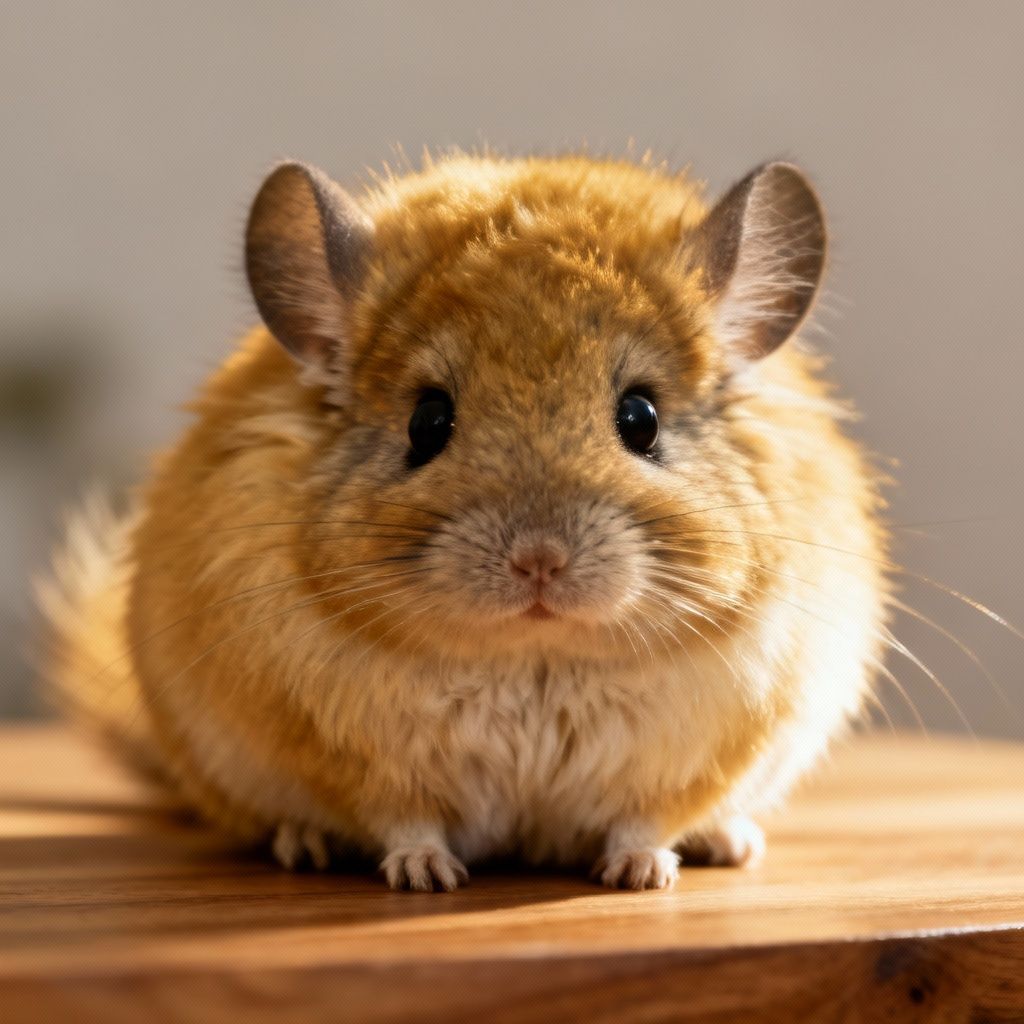
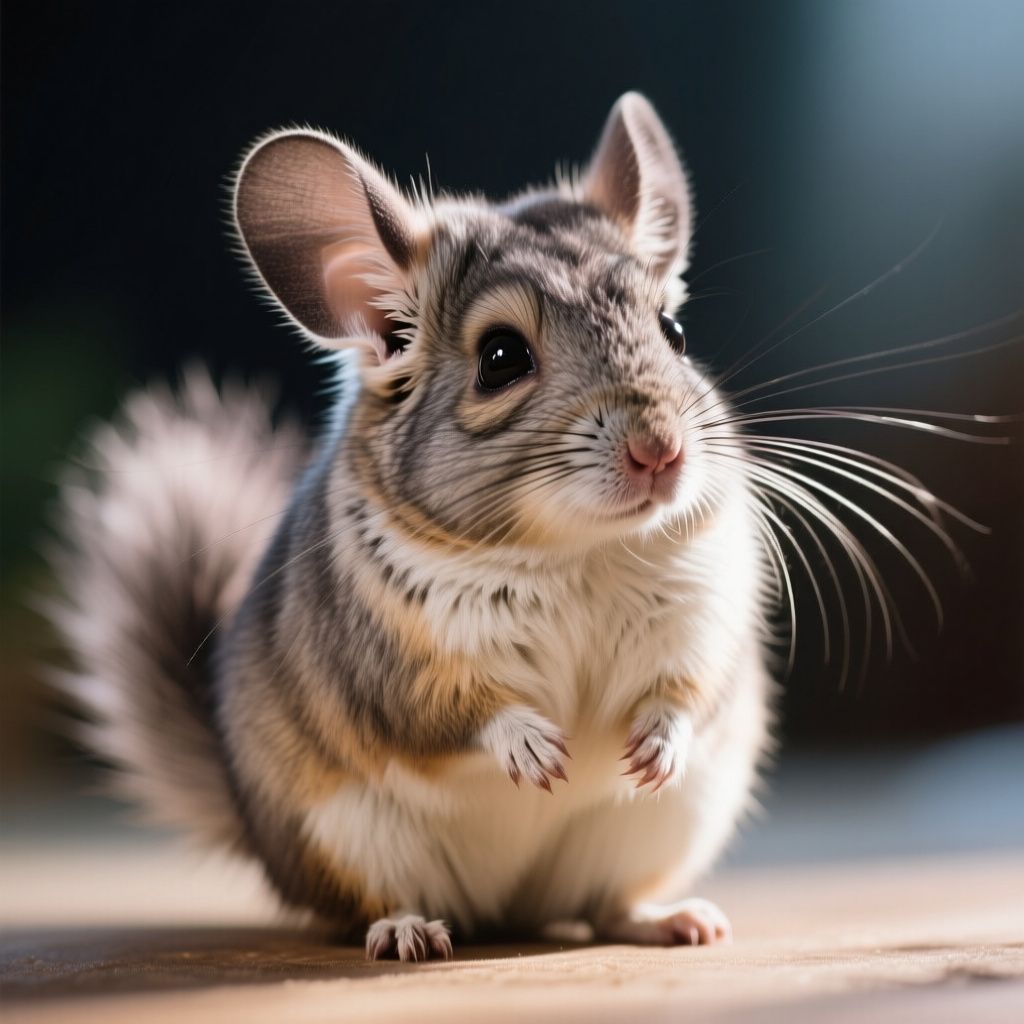
Maligayang pagdating, mga may-ari ng chinchilla! Ang pagbibigay ng ligtas, komportableng, at nakakapukaw na tahanan para sa iyong chinchilla ay mahalaga para sa kanilang kalusugan at kaligayahan. Ang mga chinchilla ay aktibong hayop na mausisa na nangangailangan ng maayos na dinisenyong cage upang umunlad. Hindi tulad ng maraming maliliit na alagang hayop, ang mga chinchilla ay nangangailangan ng maraming vertical space para sa pagtalon at pag-akyat, pati na rin ang mga partikular na tampok upang matugunan ang kanilang natatanging pangangailangan. Sa artikulong ito, gabayin ka namin sa mga essentials ng pag-set up ng perpektong cage para sa iyong furry friend, mula sa laki at materyales hanggang sa accessories at maintenance.
Cage Size and Dimensions
Ang mga chinchilla ay high-energy na hayop na mahilig tumalon at mag-explore, kaya mahalaga ang laki ng cage—sobrang importante! Ang minimum na inirerekomendang laki para sa isang chinchilla ay 3 feet wide, 2 feet deep, at 3 feet tall (3x2x3 ft), ngunit mas malaki ay laging mas mabuti. Kung mayroon kang maraming chinchilla, magdagdag ng hindi bababa sa 2 square feet ng floor space bawat karagdagang pet. Ang vertical height ay kritikal dahil ang mga chinchilla ay maaaring tumalon nang hanggang 6 feet mataas sa maikling bursts! Ang multi-level cage na may platforms o shelves ay nagbibigay-daan sa kanila na magamit nang epektibo ang espasyong ito. Iwasan ang masikip na cages, dahil maaari itong magdulot ng stress, boredom, at maging health issues tulad ng fur chewing. Sa pagbili, bigyang-priority ang mga cages na dinisenyo para sa chinchillas o ferrets, dahil madalas silang mas nakakatugon sa height at space requirements kaysa sa generic small animal cages.
Material and Design Considerations
Hindi lahat ng cages ay pantay-pantay pagdating sa kaligtasan ng chinchilla. Pumili ng cage na gawa sa matibay na metal wire na may bar spacing na hindi hihigit sa 1 inch upang maiwasan ang pagtakas o injuries—sikat ang mga chinchilla sa pag-squeeze sa masikip na puwang! Iwasan ang plastic o wooden cages, dahil mahilig mangagat ang mga chinchilla at madaling sirain ang mga materyales na ito, na maaaring magdulot ng paglunok ng mapanganib na piraso. Siguraduhing may solid o wire bottom ang cage, ngunit kung wire ito, takpan ng safe bedding layer upang protektahan ang kanilang delikadong paa mula sa sores. Mahalaga rin ang good ventilation, kaya hanapin ang designs na may open sides sa halip na enclosed glass o plastic tanks, na maaaring magkapit ng humidity at magdulot ng respiratory problems.
Essential Cage Features and Accessories
Dapat maging playground ang cage ng iyong chinchilla katulad ng tahanan. Isama ang multiple levels o ledges para sa pagtalon—magaganda ang wooden shelves, basta gawa sa untreated, chinchilla-safe woods tulad ng kiln-dried pine o applewood. Magdagdag ng hideout o small house para sa privacy; mahilig ang mga chinchilla sa cozy spot para mag-retreat. Ang dust bath container ay hindi maaaring iwasan—kailangan ng regular na dust baths ng mga chinchilla (2-3 beses sa isang linggo nang 10-15 minuto) upang mapanatiling malinis at malusog ang kanilang fur, kaya siguraduhing may space ang cage para roon. Magbigay ng chew toys at blocks upang mapanatiling trimmed ang kanilang ngipin, dahil patuloy na lumalaki ang ngipin ng chinchilla. Sa wakas, ayusin ang water bottle (hindi bowl, upang maiwasan ang spills) at hay rack para sa kanilang primary food source, ang timothy hay, na dapat laging available.
Location and Environment
Kasing-importante ng cage mismo ang lugar kung saan mo ilalagay ito. Sensitibo ang mga chinchilla sa init at humidity, umuunlad sila sa temperatures na 60-70°F (15-21°C) at humidity na hindi hihigit sa 50%. Panatilihin ang cage na malayo sa direct sunlight, drafts, at heat sources tulad ng radiators. Ilagay ito sa tahimik, low-traffic na lugar ng iyong bahay upang mabawasan ang stress—madaling magulat ang mga chinchilla sa malalakas na ingay o biglaang galaw. Iwasan ang bedrooms kung posible, dahil ang kanilang nocturnal activity (pinakaktibo sila sa gabi) ay maaaring makagambala sa iyong tulog sa hopping at chewing sounds. Sa huli, itaas ang cage sa stand o table upang hindi ito sa sahig, na nagpoprotekta sa iyong pet mula sa drafts at nagpapadali sa interaksyon sa kanila.
Maintenance and Cleaning Tips
Ang malinis na cage ay masayang cage! Spot-clean araw-araw sa pamamagitan ng pag-alis ng soiled bedding, hindi kinain na pagkain, at droppings upang maiwasan ang odors at bacteria buildup. Gumawa ng full cage cleaning lingguhan gamit ang pet-safe disinfectant—iwasan ang harsh chemicals tulad ng bleach, na maaaring makasama sa sensitive respiratory system ng iyong chinchilla. Palitan ang bedding ng sariwang, dust-free material tulad ng aspen shavings o paper-based products; huwag gumamit ng cedar o pine shavings na may matapang na amoy, dahil maaari itong magdulot ng health issues. Habang naglilinis, ilipat pansamantala ang iyong chinchilla sa safe, escape-proof na lugar. Regular na suriin ang toys, shelves, at cage bars para sa wear and tear, at palitan ang anumang nasira upang panatilihing ligtas ang environment.
Final Thoughts
Ang pag-set up ng tamang cage para sa iyong chinchilla ay investment sa kanilang well-being. Sa pamamagitan ng pagtuon sa space, safety, at enrichment, gumagawa ka ng tahanan kung saan sila maaaring tumalon, mag-explore, at magpahinga nang komportable. Tandaan na obserbahan ang behavior ng iyong chinchilla—kung mukhang stressed o inactive sila, maaaring senyales ito upang i-adjust ang kanilang environment. Sa mga basics na ito, malapit ka nang magbigay ng fantastic habitat para sa iyong adorable, bouncy companion!