
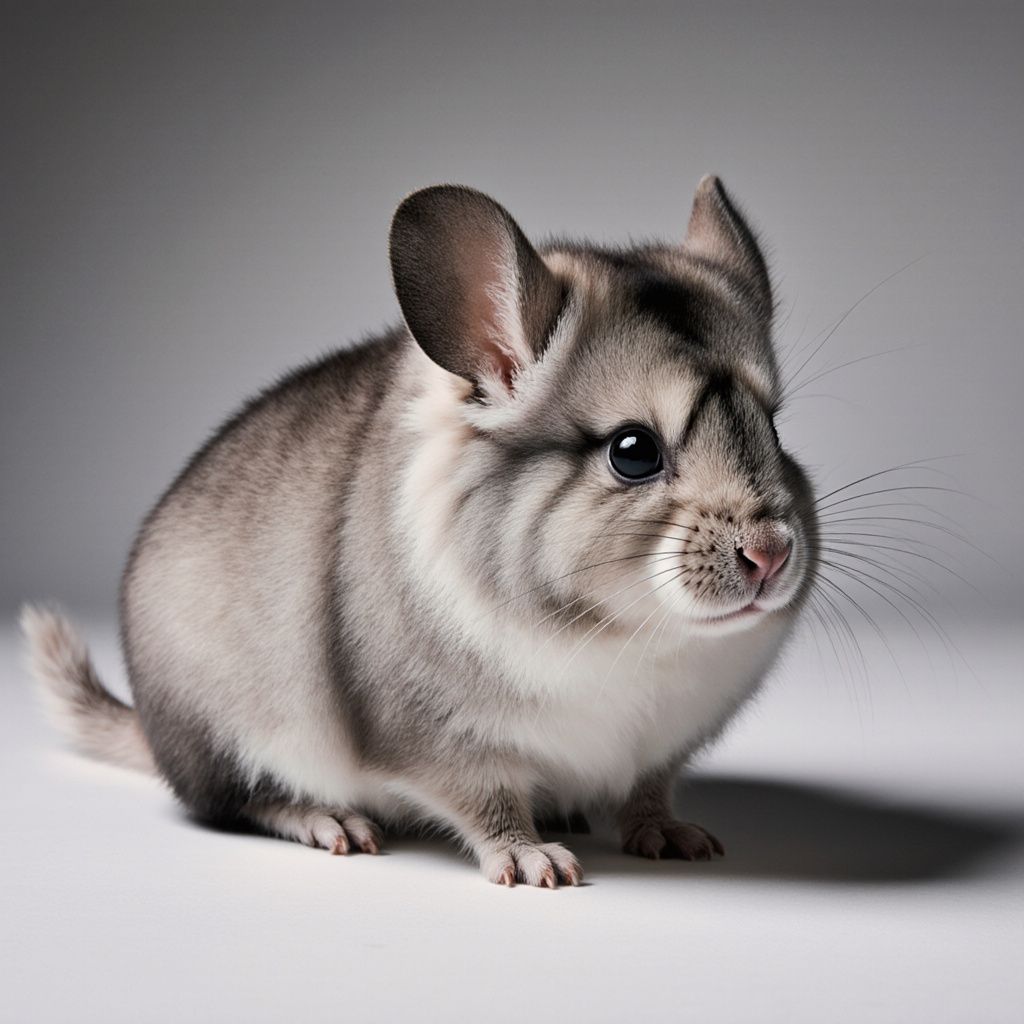
Understanding Pregnancy in Chinchillas
Chinchillas are delicate, adorable pets, and understanding their reproductive process is crucial for responsible breeding or even managing an unexpected pregnancy. Pregnancy in chinchillas, also known as gestation, is a fascinating yet demanding time for both the chinchilla and the owner. This article provides an overview of the gestation period, signs of pregnancy, and how to care for a pregnant chinchilla to ensure the health of the mother and her kits (baby chinchillas).
Chinchillas have a relatively long gestation period compared to other small rodents, lasting on average 105 to 115 days, with 111 days being the most common. This extended period means that pregnancy can sometimes go unnoticed in the early stages, so owners must be vigilant for subtle changes in behavior or physical appearance. Unlike some animals, chinchillas do not have a specific breeding season and can become pregnant at any time of year if housed with a male.
Signs of Pregnancy
Detecting pregnancy in a chinchilla can be tricky since they don’t always show obvious physical signs until later in the gestation period. However, there are a few indicators to watch for. Around 6-8 weeks into the pregnancy, you may notice a slight rounding of the abdomen. Weight gain is another clue; a pregnant chinchilla may gain 50-100 grams over the course of her pregnancy, so regular weighing can help track changes. Behavioral shifts, such as increased nesting behavior or a decrease in activity, might also suggest pregnancy. Additionally, the female may become more territorial or less tolerant of her cage mate, even if it’s the father.
If you suspect your chinchilla is pregnant, avoid handling her excessively, as stress can negatively impact her health. Consult a veterinarian experienced with exotic pets for confirmation, as they can often palpate the abdomen or perform an ultrasound after about 60 days to detect kits.
Caring for a Pregnant Chinchilla
Providing proper care during pregnancy is essential for the well-being of the mother and her future kits. First, ensure the pregnant chinchilla has a calm, quiet environment to reduce stress. If she’s housed with other chinchillas, consider separating her, especially from males, to prevent further pregnancies immediately after birth (chinchillas can become pregnant again within hours of giving birth).
Nutrition is critical during this time. Offer a high-quality chinchilla pellet diet and unlimited access to fresh timothy hay. You can also supplement with small amounts of alfalfa hay, which is higher in calcium and protein, to support the developing kits. Avoid sudden diet changes, as they can upset her digestive system. Fresh water should always be available, and monitor her food intake to ensure she’s eating well.
Prepare a nesting area by providing a small, enclosed space or a nest box with soft, safe bedding like aspen shavings. Avoid pine or cedar shavings, as the aromatic oils can be harmful. Place the nest box in a low, accessible spot, as pregnant chinchillas may become less agile.
Preparing for Birth and Kits
Chinchillas typically give birth to 1-3 kits per litter, though litters of up to 6 are possible. Birth usually occurs in the early morning and is quick, often completed within an hour. The mother will clean the kits and sever the umbilical cord herself, so intervention is rarely needed unless there are complications like prolonged labor or distress. Keep a vet’s contact information handy in case of emergencies.
After birth, minimize disturbances for the first few days to allow bonding. Kits are born fully furred, with open eyes, and are remarkably active within hours. They begin nibbling on solid food within a week but will nurse for 6-8 weeks. Ensure the mother has extra food and water to support lactation.
Practical Tips for Owners
- Monitor Weight Weekly: Track your chinchilla’s weight to detect pregnancy or health issues early.
- Limit Handling: Reduce stress by handling only when necessary during late pregnancy and early postpartum.
- Educate Yourself on Emergencies: Learn to recognize signs of dystocia (difficult birth), such as straining for over an hour without kits, and seek vet care immediately.
- Plan for Kits: Decide if you can care for or rehome kits before breeding, as finding suitable homes can be challenging.