
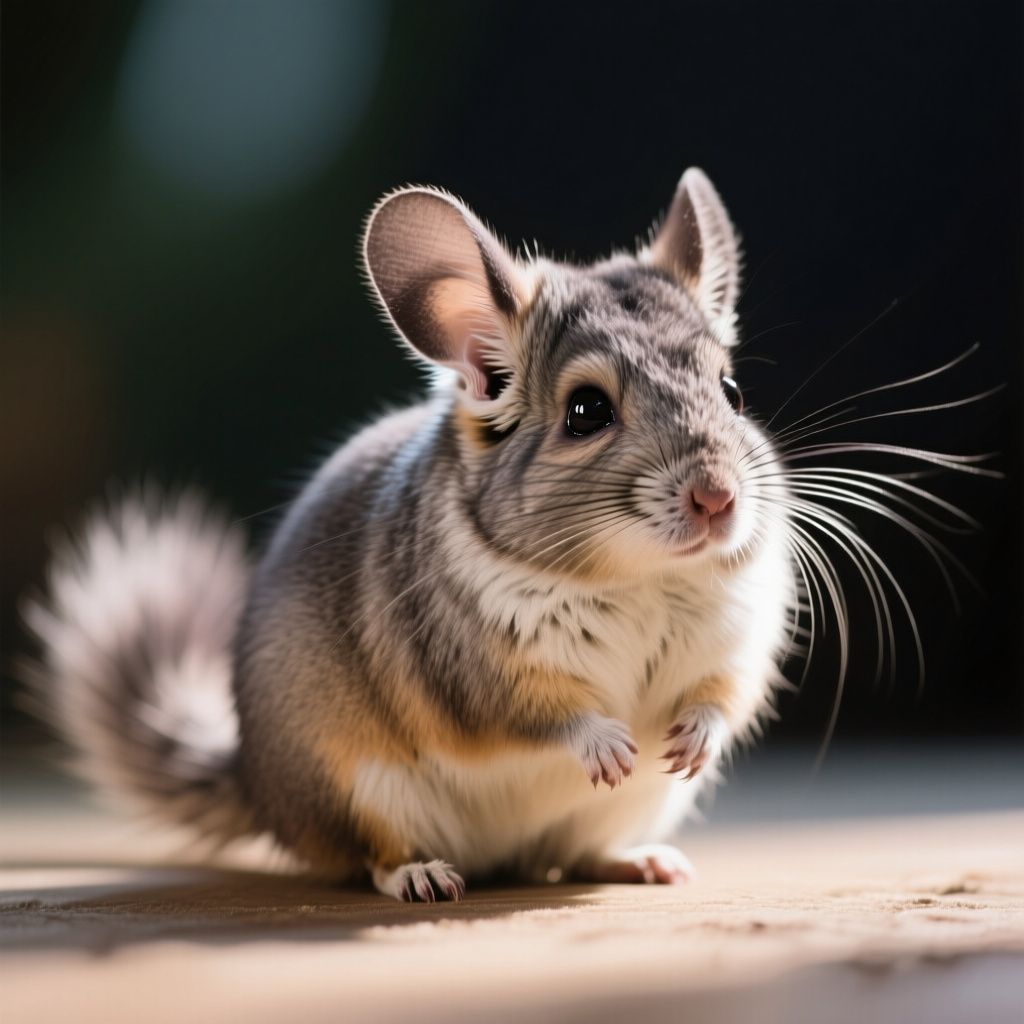
Introduction to Chinchilla Cage Types
Chinchillas are active, curious, and energetic pets that require a safe and spacious environment to thrive. Choosing the right cage is one of the most important decisions you’ll make as a chinchilla owner. A proper cage not only ensures their safety but also supports their natural behaviors like jumping, climbing, and exploring. With various cage types available, understanding the options and their benefits can help you create a comfortable home for your furry friend. This article explores the different cage types suitable for chinchillas and offers practical tips to guide your selection.
Key Requirements for Chinchilla Cages
Before diving into specific cage types, it’s essential to understand the basic needs of chinchillas when it comes to housing. Chinchillas need a cage that is at least 3 feet tall, 2 feet wide, and 2 feet deep for a single chinchilla, with additional space for each additional pet. They are incredible jumpers, often leaping up to 6 feet in height, so vertical space is just as important as floor space. The cage should have solid or wire flooring with a bar spacing of no more than 1 inch to prevent escapes or injuries. Ventilation is crucial to avoid overheating, and the materials should be chew-proof since chinchillas love to gnaw on anything within reach. Keep these requirements in mind as you explore the cage types below.
Types of Chinchilla Cages
Multi-Level Wire Cages
Multi-level wire cages are among the most popular choices for chinchilla owners. These cages often come with several platforms or shelves, allowing chinchillas to climb and jump as they would in the wild. The wire construction provides excellent ventilation, which is vital since chinchillas are sensitive to heat and humidity. Look for cages with a powder-coated finish to resist rust and ensure durability. A practical tip is to add fleece liners or wooden shelves to the wire platforms to protect your chinchilla’s delicate feet from sores. These cages are widely available and often customizable with accessories like ramps and hideouts.
Ferret or Small Animal Cages
Originally designed for ferrets or other small animals, these cages can work well for chinchillas due to their tall, multi-tiered designs. They typically offer ample vertical space and multiple levels for exploration. However, not all ferret cages meet chinchilla needs, so check the bar spacing (1 inch or less) and ensure there are no plastic components that could be chewed. A tip for owners is to inspect the cage for sharp edges and reinforce weak spots with zip ties if needed. These cages are a good budget-friendly option if chosen carefully.
Custom or DIY Cages
For owners who want a tailored solution, custom or DIY cages are an excellent choice. You can build a cage using safe materials like untreated wood and wire mesh, ensuring it meets the exact size and design needs of your chinchilla. Custom cages allow for unique features like built-in dust baths or extra-large platforms. If you’re not handy, many pet stores or online retailers offer made-to-order cages. A helpful tip is to always double-check measurements and avoid using toxic paints or glues. While this option may require more effort or cost, it can provide a perfect fit for your pet and space.
Practical Tips for Choosing and Setting Up a Cage
When selecting a cage, prioritize safety and space over aesthetics. Place the cage in a quiet, cool area of your home, away from direct sunlight and drafts, as chinchillas are sensitive to temperatures above 75°F (24°C). Add accessories like wooden ledges, chew toys, and a hideout to enrich their environment, but avoid overcrowding the space. Regularly clean the cage—aim for a full clean at least once a week—to maintain hygiene and prevent odors. If your chinchilla seems stressed or inactive, reassess the cage setup; it might be too small or lack stimulation. Finally, always monitor your pet’s behavior after introducing a new cage to ensure they adapt well.
Conclusion
Finding the right cage type for your chinchilla is a balance of meeting their physical needs and fitting your lifestyle. Whether you opt for a multi-level wire cage, a ferret-style enclosure, or a custom build, focus on providing a secure, spacious, and engaging environment. By understanding the unique requirements of chinchillas and applying the tips shared here, you can create a happy and healthy home for your pet. Remember, a well-chosen cage is an investment in your chinchilla’s long-term well-being, potentially supporting their 15-20 year lifespan with proper care.