
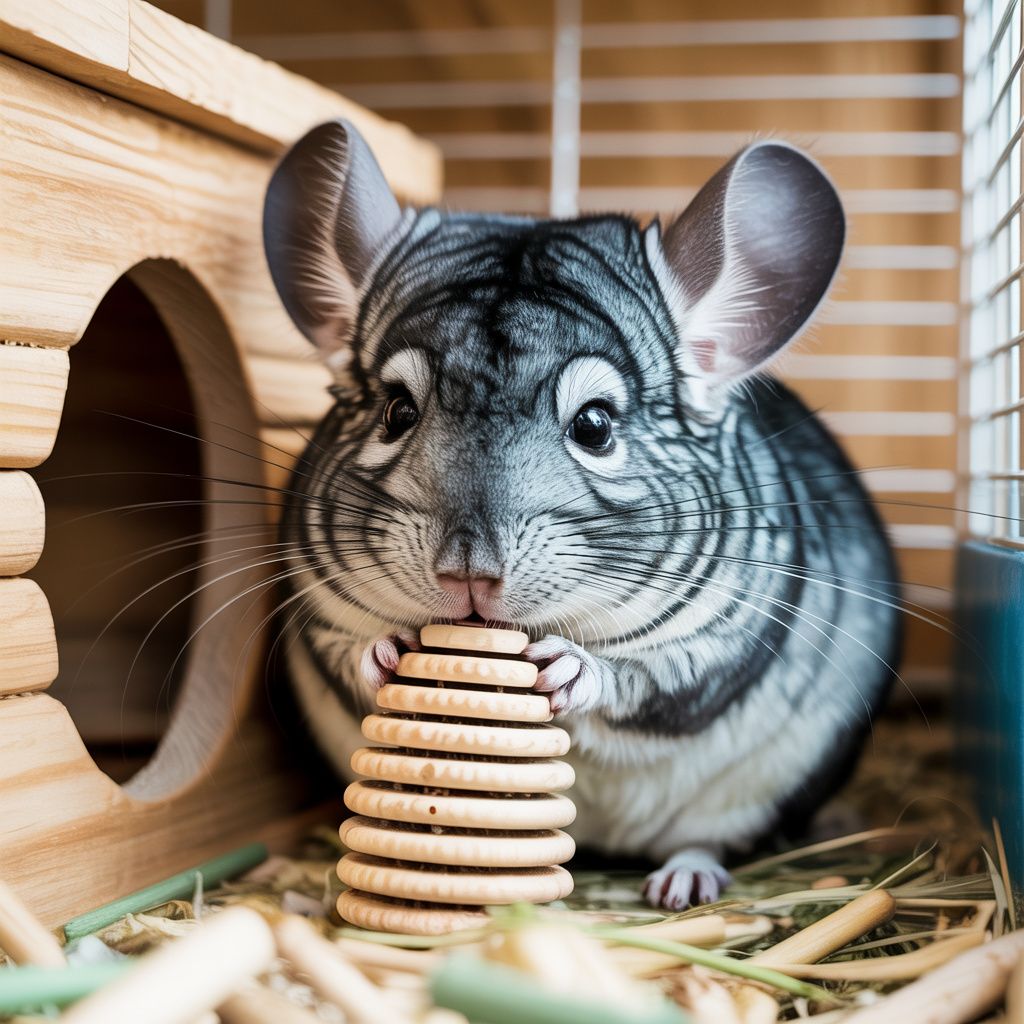
مقدمهای بر سلامت دندانهای چینچیلا
چینچیلاها، با خز نرم و شخصیتهای کنجکاو خود، حیوانات خانگی دلپذیری هستند، اما سلامت دندانهایشان جنبهای حیاتی از رفاه کلی آنهاست که صاحبان باید در اولویت قرار دهند. برخلاف انسانها، دندانهای چینچیلاها در طول عمرشان به طور مداوم رشد میکنند—تا ۵-۸ سانتیمتر در سال! این ویژگی منحصربهفرد به معنای آن است که مراقبت از دندانهایشان نیاز به توجه ویژهای دارد تا از مشکلات جدی سلامتی مانند malocclusion (دندانهای ناهمتراز) یا رشد بیش از حد دندانها جلوگیری شود، که میتواند منجر به درد، مشکل در خوردن، و حتی شرایط تهدیدکننده زندگی شود. درک آناتومی و نیازهای دندانی آنها میتواند به شما کمک کند تا چینچیلای خود را شاد و سالم نگه دارید.
آناتومی دندانهای چینچیلا
چینچیلاها در مجموع ۲۰ دندان دارند، شامل ۴ دندان پیشین (۲ عدد در بالا، ۲ عدد در پایین) و ۱۶ دندان آسیاب و پرمولر در عقب دهان. دندانهای پیشین آنها بیشترین دیدهشدن را دارند و به طور طبیعی زردنارنجی هستند به دلیل محتوای بالای آهن در مینا، که آنها را محکم میکند. این دندانهای جلویی برای جویدن طراحی شدهاند، در حالی که دندانهای عقبی غذا مانند یونجه و پلت را آسیاب میکنند. از آنجایی که دندانهایشان به طور مداوم رشد میکند، چینچیلاها به جویدن وابستهاند تا دندانها را به طور طبیعی کوتاه کنند. بدون ساییدگی مناسب، دندانها میتوانند بیش از حد رشد کنند، به لثهها خم شوند یا ناهمتراز شوند، که باعث وضعیتی به نام "slobbers" (ترشح بیش از حد بزاق) یا حتی آبسه میشود.
مشکلات رایج دندانی در چینچیلاها
مشکلات دندانی از شایعترین مشکلات سلامتی در چینچیلاها هستند، که اغلب از رژیم غذایی نامناسب یا عدم فرصتهای جویدن ناشی میشوند. malocclusion زمانی رخ میدهد که دندانها به درستی تراز نشوند و ساییدگی طبیعی را جلوگیری کنند. دندانهای بیش از حد رشدکرده میتوانند لثهها یا گونهها را سوراخ کنند و منجر به عفونت شوند. نشانههای مشکل دندانی شامل ترشح بزاق، کاهش اشتها، کاهش وزن، یا ترجیح غذاهای نرم به جای یونجه است. اگر متوجه شدید چینچیلای خود دهانش را با پنجه میمالد یا ناراحتی نشان میدهد، زمان مراجعه به دامپزشک حیوانات اگزوتیک است. مطالعات نشان میدهد که تا ۳۰٪ از چینچیلاهای خانگی ممکن است در طول عمرشان به مشکلات دندانی مبتلا شوند، بنابراین هوشیاری کلیدی است.
نکاتی برای حفظ دندانهای سالم
خوشبختانه، چندین گام عملی وجود دارد که میتوانید برای حمایت از سلامت دندان چینچیلای خود بردارید:
- یونجه نامحدود فراهم کنید: یونجه پایه رژیم غذایی چینچیلا است و بهترین راه طبیعی برای کوتاه کردن دندانها. هر روز یونجه تازه تیموتی ارائه دهید—اطمینان حاصل کنید که همیشه در قفسه یونجه یا ظرف در دسترس است. بافت درشت آن به طور طبیعی دندانها را آسیاب میکند.
- اسباببازیهای جویدنی ایمن ارائه دهید: چینچیلاها نیاز به جویدن دارند تا دندانهایشان را کنترل کنند. بلوکهای چوبی ایمن و بدون درمان، چوب سیب، یا سنگهای پومیس طراحیشده برای حیوانات کوچک فراهم کنید. از پلاستیک یا مواد نرم که ممکن است خورده شوند اجتناب کنید.
- شیرینیجات قندی را محدود کنید: غذاهای قندی یا نشاستهای مانند میوهها یا تشویقیهای تجاری میتوانند به پوسیدگی دندان و ساییدگی نامناسب کمک کنند. به رژیم غذایی یونجه، پلتهای باکیفیت بالا (حدود ۱-۲ قاشق غذاخوری روزانه)، و تشویقیهای گاهبهگاه کوچک مانند میوه گل رز خشکشده پایبند باشید.
- معاینات منظم: بازدیدهای سالانه از دامپزشک متخصص حیوانات اگزوتیک را برنامهریزی کنید تا دندانهای چینچیلای خود را نظارت کنید. تشخیص زودهنگام مشکلات دندانی میتواند از عوارض دردناک جلوگیری کند.
- رفتار را نظارت کنید: به نشانههای درد دندانی مانند کاهش خوردن یا خز مرطوب اطراف دهان توجه کنید. وزن چینچیلای خود را每周 اندازه بگیرید تا کاهش وزن ناگهانی را که میتواند نشاندهنده مشکل باشد، تشخیص دهید.
چه زمانی به مراقبت دامپزشکی نیاز دارید
اگر به مشکل دندانی مشکوک هستید، در جستجوی کمک حرفهای تأخیر نکنید. دامپزشک ممکن است نیاز به کوتاه کردن دندانهای بیش از حد رشدکرده تحت بیهوشی یا رسیدگی به مشکلات زمینهای مانند عفونتها داشته باشد. هرگز سعی نکنید دندانهای چینچیلای خود را خودتان کوتاه کنید، زیرا این میتواند باعث آسیب یا استرس شود. مشکلات دندانی میتوانند سریع تشدید شوند، بنابراین اقدام سریع میتواند حیوان خانگی خود را از رنج غیرضروری نجات دهد. به یاد داشته باشید، یک چینچیلای سالم با مراقبت دندانی مناسب میتواند ۱۰-۱۵ سال یا بیشتر زندگی کند، بنابراین سرمایهگذاری در سلامت دهانی آنها سرمایهگذاری در آیندهشان است.
نتیجهگیری
مراقبت از دندانهای چینچیلای شما بخش ضروری از بودن یک صاحب حیوان خانگی مسئول است. با فراهم کردن رژیم غذایی مناسب، اسباببازیهای جویدنی، و مراقبت دامپزشکی منظم، میتوانید از مشکلات دندانی جلوگیری کنید و اطمینان حاصل کنید که دوست خزدار شما از زندگی طولانی و راحت لذت ببرد. هوشیار بمانید، محیط آنها را غنی نگه دارید، و اگر چیزی غیرعادی به نظر میرسد، از مراجعه به دامپزشک دریغ نکنید. با کمی تلاش، آن دندانهای پیشین دوستداشتنی را در بهترین حالت نگه خواهید داشت!