Understanding the Chinchilla Immune System
As a chinchilla owner, understanding your pet’s immune system is key to keeping them healthy and happy. Chinchillas, like all animals, rely on their immune system to protect them from infections, diseases, and environmental threats. While these small, fluffy creatures are generally hardy, their immune system can be sensitive to stress, poor diet, and improper living conditions. Let’s explore how the chinchilla immune system works and how you can support it.
How the Immune System Works
The immune system in chinchillas is a complex network of cells, tissues, and organs that work together to defend against harmful pathogens like bacteria, viruses, and parasites. It includes components like white blood cells, antibodies, and the lymphatic system, which help identify and neutralize threats. Chinchillas also have innate immunity—natural barriers such as their skin and fur—that prevent germs from entering their body.
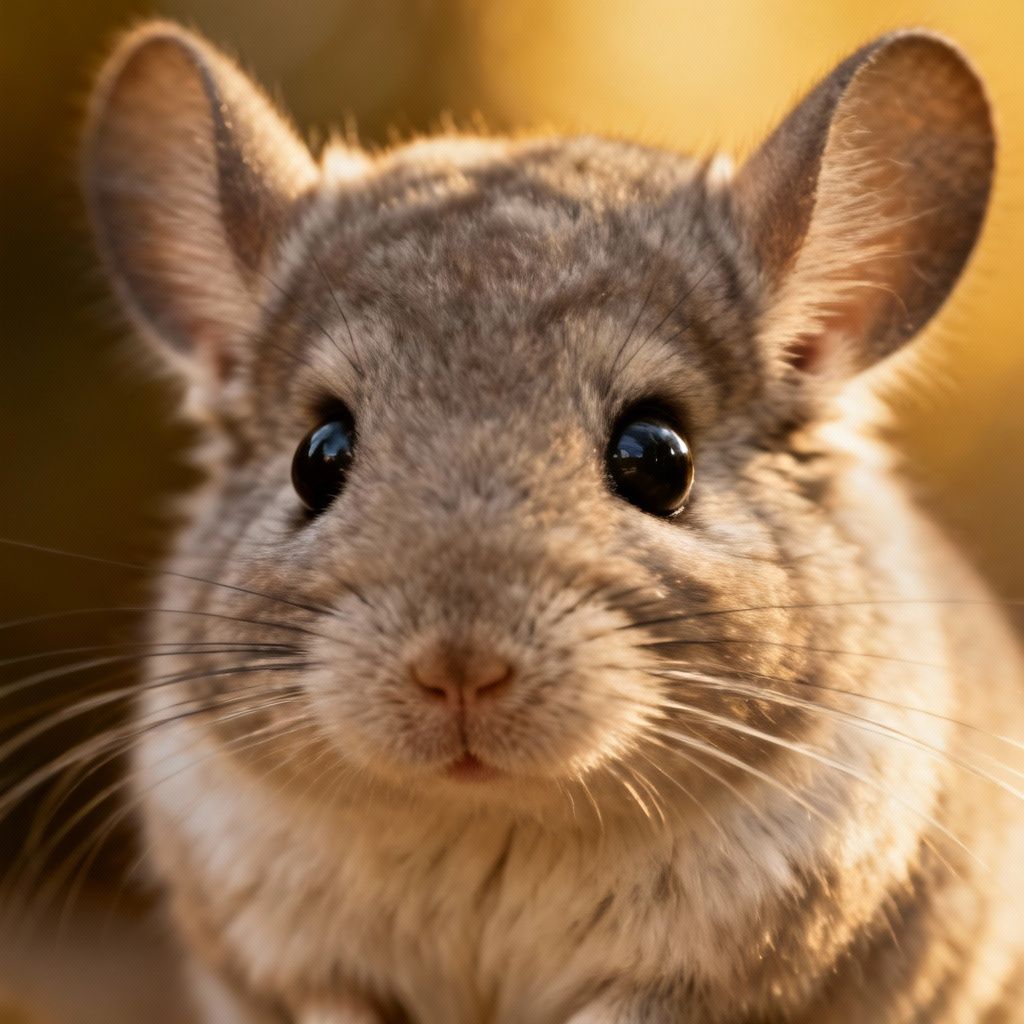
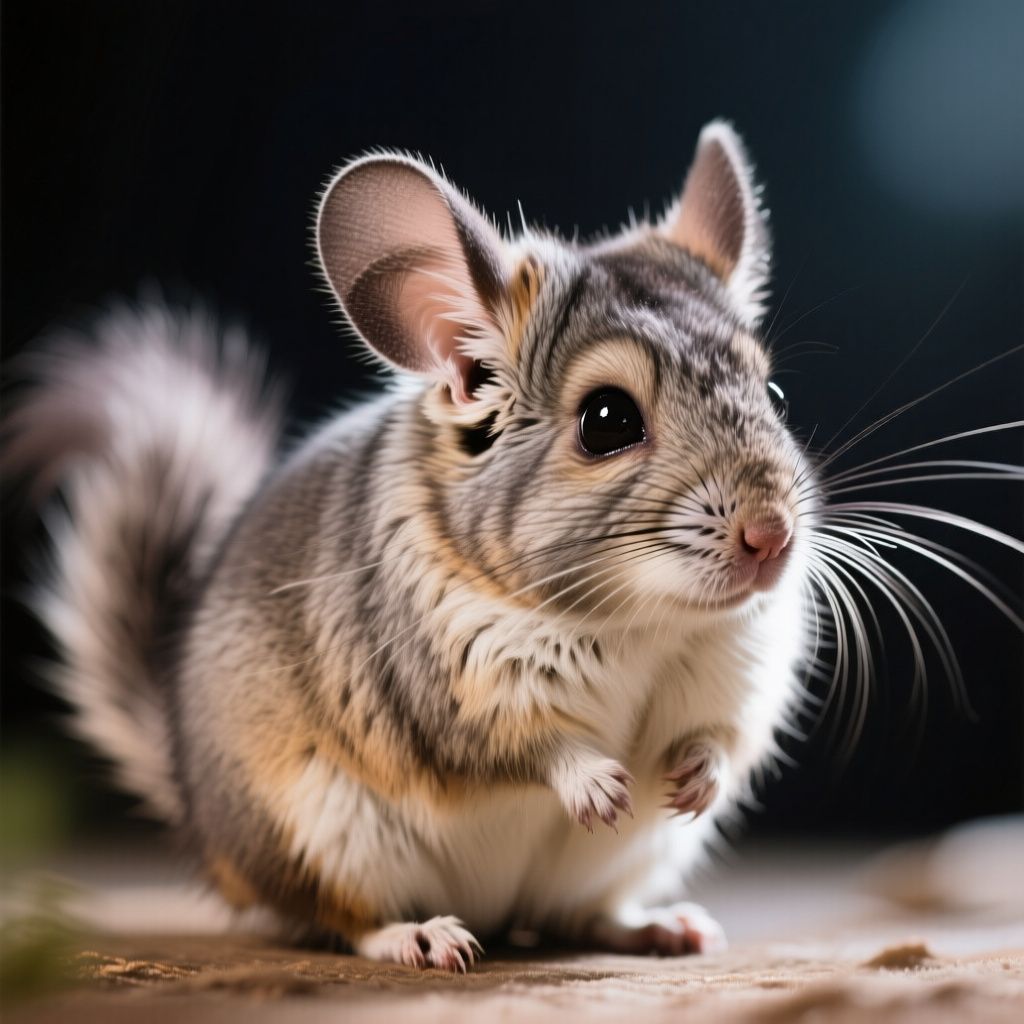
However, chinchillas are prey animals, meaning they often hide signs of illness to avoid appearing weak. This behavior can make it tricky to notice when their immune system is struggling. A healthy immune system in a chinchilla is often reflected in bright eyes, a shiny coat, active behavior, and a good appetite. If these traits start to fade, it could signal that their immune defenses are under stress.
Factors That Affect Immune Health
Several factors can impact a chinchilla’s immune system, and as an owner, you have a direct role in managing these. Stress is a major immune suppressor in chinchillas. Loud noises, sudden changes in environment, or overcrowding can elevate stress hormones like cortisol, weakening their defenses. Poor diet is another concern—chinchillas need a high-fiber diet primarily consisting of hay (like timothy hay), with limited pellets and treats. A lack of proper nutrition can lead to deficiencies in vitamins and minerals, such as Vitamin C, which supports immune function.
Environmental factors also play a big role. Chinchillas are sensitive to temperature and humidity; they thrive in cool, dry conditions (ideally 60-70°F or 15-21°C, with humidity below 60%). Excessive heat or dampness can lead to respiratory infections, which challenge their immune system. Lastly, hygiene matters. Dirty cages can harbor bacteria or mold, increasing the risk of illness.
Practical Tips to Support Your Chinchilla’s Immune System
Here are some actionable ways to help bolster your chinchilla’s immune health:
- Provide a Balanced Diet: Ensure unlimited access to fresh, high-quality hay, which supports gut health—a critical part of immunity since about 70% of the immune system is linked to the gut. Supplement with 1-2 tablespoons of chinchilla-specific pellets daily, and avoid sugary treats that can cause digestive upset.
- Minimize Stress: Keep their environment calm by placing their cage in a quiet area away from loud noises or other pets. Avoid sudden changes to their routine or habitat.
- Maintain Proper Housing Conditions: Clean their cage weekly to prevent bacterial buildup, and use dust baths (with chinchilla-safe dust) 2-3 times a week to keep their fur clean and free of parasites.
- Monitor Temperature and Humidity: Use a thermometer and hygrometer in their room to ensure conditions stay within the ideal range. If it’s too hot, provide a cooling tile or frozen water bottle wrapped in a towel for them to lean against.
- Watch for Signs of Illness: Be vigilant for symptoms like lethargy, sneezing, weight loss, or a dull coat. If you notice anything unusual, consult a vet experienced with exotic pets immediately, as chinchillas can decline rapidly.
When to Seek Veterinary Help
Even with the best care, a chinchilla’s immune system can be overwhelmed by infections or chronic stress. Respiratory infections are common and can escalate quickly if untreated. Dental issues, often linked to poor diet, can also weaken immunity by causing pain and reducing food intake. If your chinchilla stops eating for more than 24 hours, it’s a medical emergency—seek veterinary care right away.
By understanding and supporting your chinchilla’s immune system, you’re giving them the best chance at a long, healthy life. With proper diet, a stress-free environment, and regular monitoring, you can help their natural defenses stay strong. After all, a happy chinchilla is a healthy chinchilla!