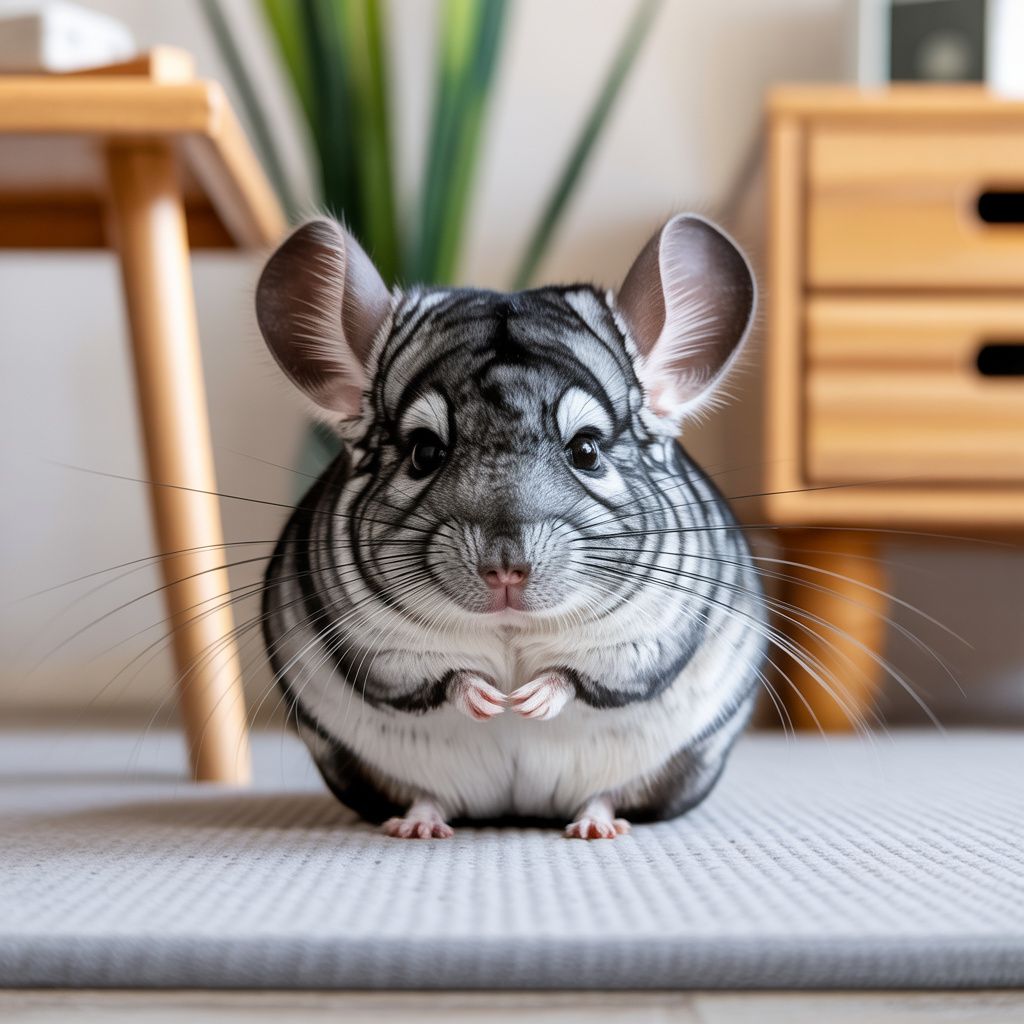
Chinchillas are known for their curious nature and love to explore their surroundings, which can often lead to damage to your home and potential harm to themselves. Chinchilla proofing your home is essential to ensure the safety and well-being of your pet, as well as to protect your belongings.
Introduction to Chinchilla Proofing
Chinchilla proofing involves taking steps to secure your home and prevent your pet from accessing hazardous materials, electrical wires, and other harmful substances. According to the American Society for the Prevention of Cruelty to Animals (ASPCA), chinchillas are prone to chewing and can ingest toxic substances, so it's crucial to take necessary precautions.Identifying Hazards
To chinchilla proof your home, start by identifying potential hazards. Chinchillas are attracted to soft materials, such as fabric, paper, and wood, and can easily chew through them. They are also drawn to shiny objects, like jewelry and coins, which can be harmful if ingested. Some common hazards to look out for include:- Electrical wires and cords
- Toxic substances, such as cleaning supplies and pesticides
- Small objects, like buttons and batteries
- Loose change and jewelry
Securing Your Home
To secure your home, start by blocking access to areas that may pose a risk to your chinchilla. This can include:- Closing doors to rooms that contain hazardous materials
- Installing baby gates or pet gates to restrict access to certain areas
- Moving toxic substances and small objects to high shelves or secure cabinets
- Covering electrical wires and cords with protective sleeves or tape
Chinchilla-Proofing Tips
Here are some practical tips to help you chinchilla proof your home:- Use chinchilla-safe materials, such as untreated wood and non-toxic glue, for any DIY projects or repairs
- Provide your chinchilla with plenty of toys and chew toys to keep them occupied and distracted from hazardous materials
- Supervise your chinchilla at all times when they are outside of their cage
- Regularly inspect your home for any signs of chinchilla damage or hazards
Creating a Safe Environment
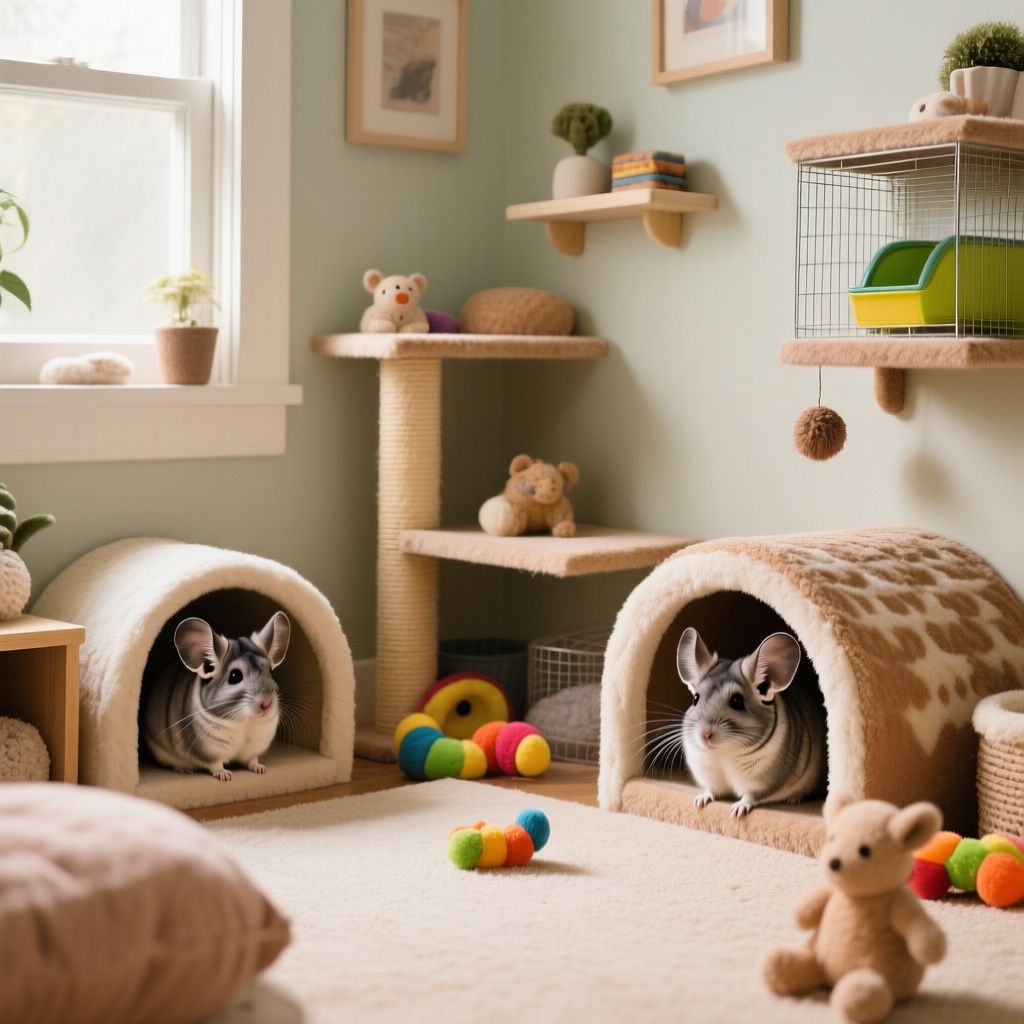
Creating a safe environment for your chinchilla involves providing a stimulating and engaging space that meets their physical and emotional needs. This can include:- Providing a large cage or enclosure with plenty of room to move around
- Offering a variety of toys and activities, such as tunnels, climbing structures, and chew toys
- Creating a chinchilla agility course using safe and sturdy materials
- Providing regular social interaction and handling to help your chinchilla feel secure and relaxed