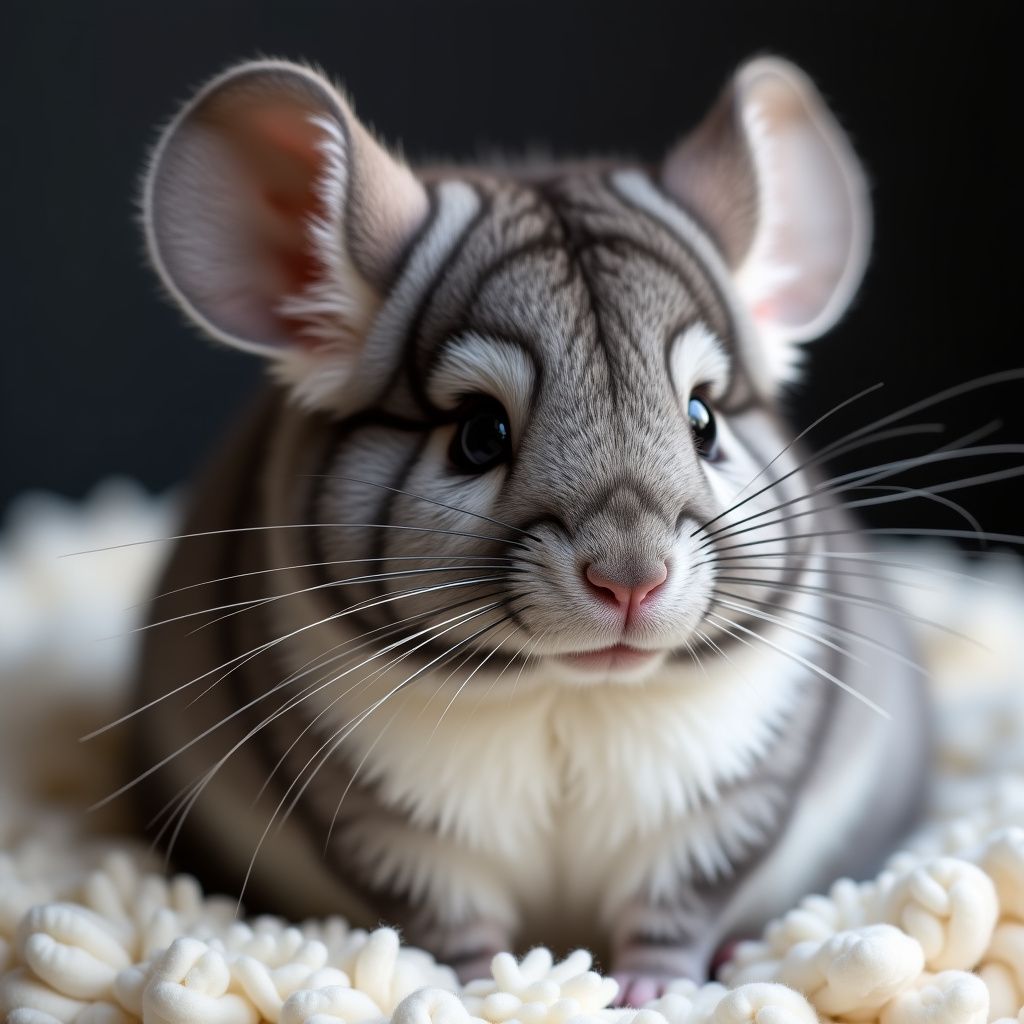
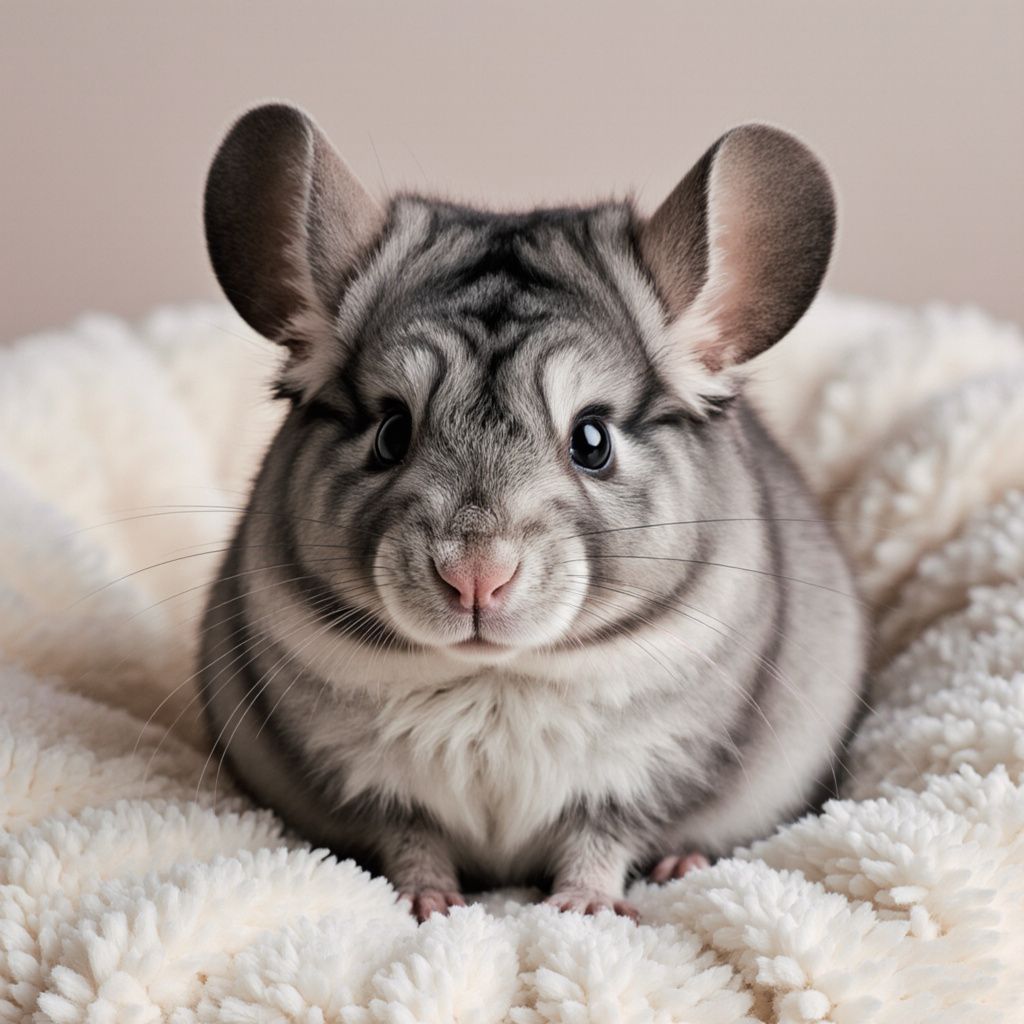
Chinchillas are small, fluffy, and gentle creatures that make wonderful pets for those who are willing to provide the proper care and attention. Native to the Andes mountains in South America, chinchillas have thick fur coats that require regular maintenance to prevent matting and tangling. With the right care and housing, chinchillas can live up to 15-20 years in captivity, making them a long-term companion.
Diet and Nutrition
A balanced diet is essential for the health and well-being of chinchillas. Chinchillas are herbivores and their diet should consist of high-quality hay, such as timothy hay or alfalfa hay, which should make up about 80% of their diet. Pellets specifically formulated for chinchillas can be given in limited amounts, about 1-2 tablespoons per day, depending on the age and size of the chinchilla. Fresh vegetables and fruits can be given in moderation, about 1-2 cups per day, but should not exceed 10% of their diet. Avoid giving chinchillas foods high in sugar, fat, and salt, as well as foods that are toxic to them, such as chocolate, avocado, and onions.
Environment and Housing
Chinchillas are sensitive to temperature and humidity, and their environment should be carefully controlled. The ideal temperature range for chinchillas is between 60-75°F (15-24°C), and the humidity level should be around 50-60%. Chinchillas are also prone to heat stress, so it's essential to provide a cool and well-ventilated area for them to live in. A large cage or enclosure with plenty of space to move around is necessary, with a minimum size of 2x4x4 feet (60x120x120 cm). The cage should be equipped with hiding places, toys, and climbing structures to keep the chinchilla entertained and exercised.
Health and Hygiene
Chinchillas are prone to certain health issues, such as respiratory problems, fungal infections, and overgrown teeth. Regular check-ups with a veterinarian experienced in caring for chinchillas can help prevent and detect these issues early on. Chinchillas are also sensitive to dust and dirt, so their cage should be cleaned regularly, at least once a week, to prevent the buildup of bacteria and odors. Chinchillas should also be dust-bathed regularly, about 2-3 times a week, to keep their fur clean and healthy.
Handling and Socialization
Chinchillas are social animals and enjoy human interaction, but they can be skittish and may take time to get used to handling. It's essential to handle chinchillas gently and carefully, supporting their body and lifting them securely. Chinchillas should be handled regularly, at least once a day, to help them become tame and trusting. Socialization is also crucial, and chinchillas should be introduced to new people, environments, and experiences to help them become confident and calm.
Tips and Reminders
Some practical tips for chinchilla owners include:
* Providing a variety of toys and activities to keep the chinchilla entertained and stimulated
* Avoiding sudden changes in temperature, humidity, or environment
* Keeping the chinchilla's cage away from direct sunlight and drafts
* Monitoring the chinchilla's food and water intake to prevent overeating or dehydration
* Keeping a chinchilla-safe room or area, free from hazards and toxic substances
By following these care basics and tips, chinchilla owners can provide a happy, healthy, and fulfilling life for their beloved pets.