Introduction to Vegetables & Treats for Chinchillas
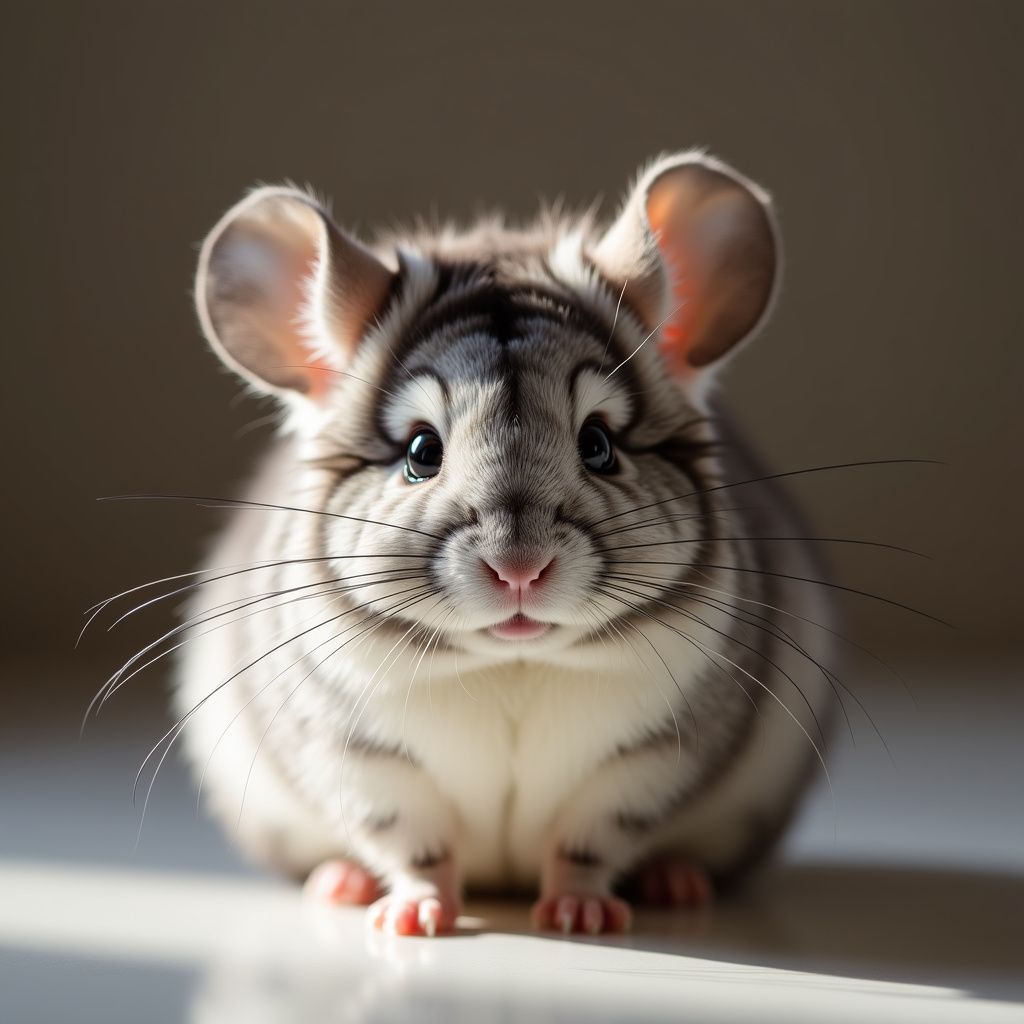
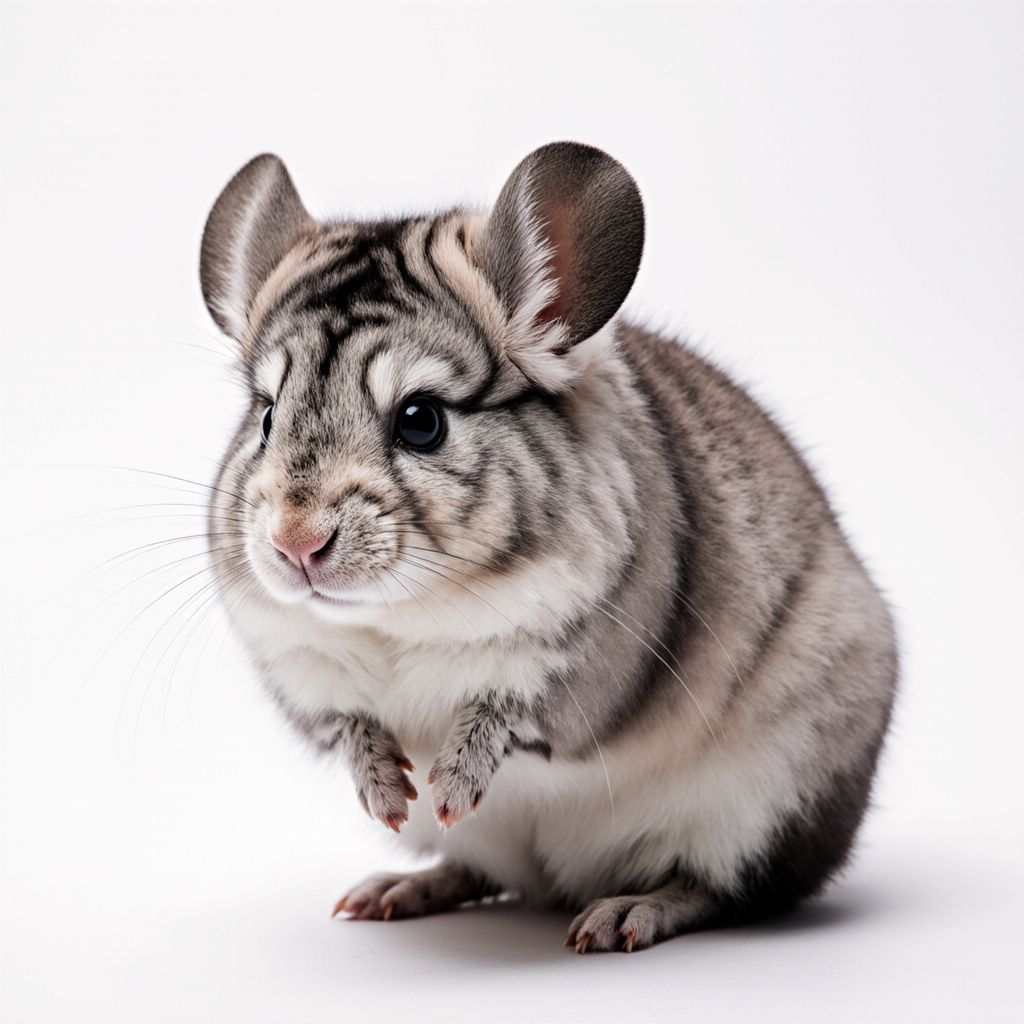
Chinchillas are adorable, fluffy pets with specific dietary needs that must be met to ensure their health and happiness. While their primary diet should consist of high-quality hay and specially formulated chinchilla pellets, vegetables and treats can play a small but important role in providing variety and enrichment. However, not all foods are safe for chinchillas, and overfeeding certain items can lead to serious health issues. This article will guide you through the basics of incorporating vegetables and treats into your chinchilla’s diet safely and responsibly.
The Role of Vegetables in a Chinchilla’s Diet
Chinchillas are herbivores, and in the wild, they primarily eat grasses, bark, and leaves. Vegetables can be offered as an occasional supplement to mimic some of the variety they might encounter naturally. However, their digestive systems are sensitive, so vegetables should only be given in very small amounts—think of them as a rare snack rather than a staple. A good rule of thumb is to limit vegetables to about 1 teaspoon per day, and not every day. Overfeeding vegetables can cause bloating, diarrhea, or other digestive problems due to their high water and sugar content.
Safe vegetables for chinchillas include small amounts of carrot tops (not the carrot itself, as it’s too sugary), kale, and parsley. Always introduce new vegetables slowly, starting with a tiny piece to monitor for any adverse reactions like soft stools or lethargy. Wash all vegetables thoroughly to remove pesticides, and avoid starchy or high-sugar options like potatoes, corn, or peas, as these can upset their delicate digestive balance.
Treats: A Little Goes a Long Way
Treats are a great way to bond with your chinchilla and provide mental stimulation, but moderation is key. Chinchillas have a low tolerance for sugary or fatty foods, so commercial treats high in sugar or artificial ingredients should be avoided. Instead, opt for natural, chinchilla-safe options like small pieces of dried apple (no seeds, as they’re toxic), rose hips, or plain, unsweetened shredded wheat. Limit treats to 1-2 small pieces per week to prevent obesity and dental issues, as chinchillas are prone to overgrown teeth if they don’t chew enough hay.
A fun tip for treat time is to use it as a training opportunity. Offer a treat by hand to build trust, or hide it in a toy to encourage foraging behavior. Always check ingredient labels if buying pre-made treats—avoid anything with nuts, seeds, honey, or raisins, as these can be harmful in even small quantities.
Safe Foods and Foods to Avoid
To keep your chinchilla healthy, it’s crucial to know what’s safe and what’s not. Here’s a quick guide:
- Safe Vegetables (in tiny amounts): Carrot tops, kale, parsley, dandelion greens.
- Safe Treats (sparingly): Dried apple, rose hips, plain shredded wheat.
- Foods to Avoid: Fruits like bananas or grapes (too sugary), nuts and seeds (high fat content), chocolate (toxic), and vegetables like onions or garlic (toxic to chinchillas).
Practical Tips for Chinchilla Owners
1. Start Small: Whether it’s a new vegetable or treat, introduce it gradually over a week to monitor your chinchilla’s reaction. 2. Prioritize Hay: Ensure unlimited access to fresh timothy hay, as it’s essential for digestion and dental health. Vegetables and treats should never replace hay. 3. Keep It Clean: Always provide fresh, clean water and remove uneaten vegetables within a few hours to prevent spoilage. 4. Watch for Signs: If your chinchilla shows signs of digestive upset (soft stools, reduced appetite), stop offering vegetables or treats and consult a vet. 5. Variety in Moderation: Rotate safe vegetables or treats occasionally to keep things interesting without overwhelming their system.
Final Thoughts
Vegetables and treats can add a bit of excitement to your chinchilla’s diet, but they should always be offered with caution. By focusing on their primary needs—hay and pellets—and using extras as rare supplements, you’ll help ensure your chinchilla lives a long, healthy life. Typically, chinchillas can thrive for 10-15 years with proper care, and a balanced diet is a huge part of that. Stick to safe options, keep portions tiny, and always prioritize their well-being over indulgence. With these tips, you’ll be well-equipped to pamper your chinchilla the right way!