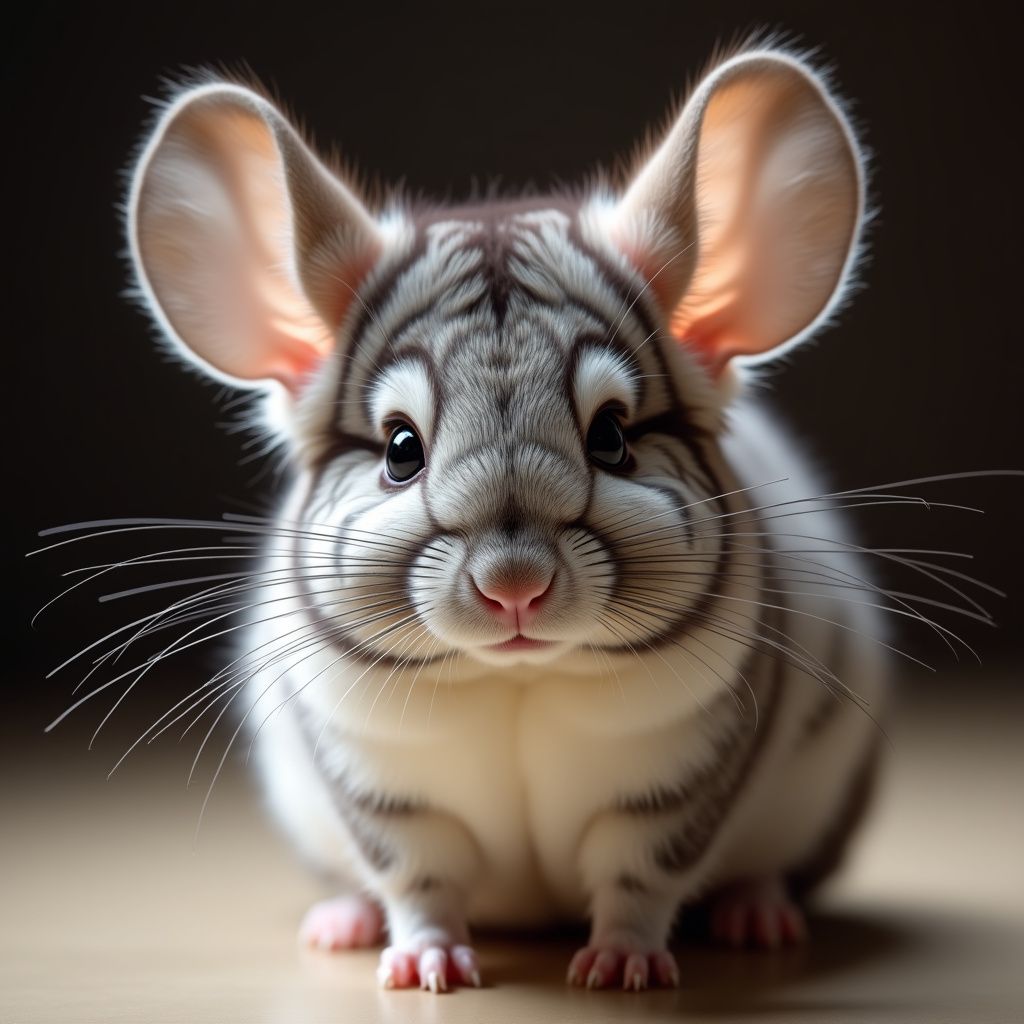
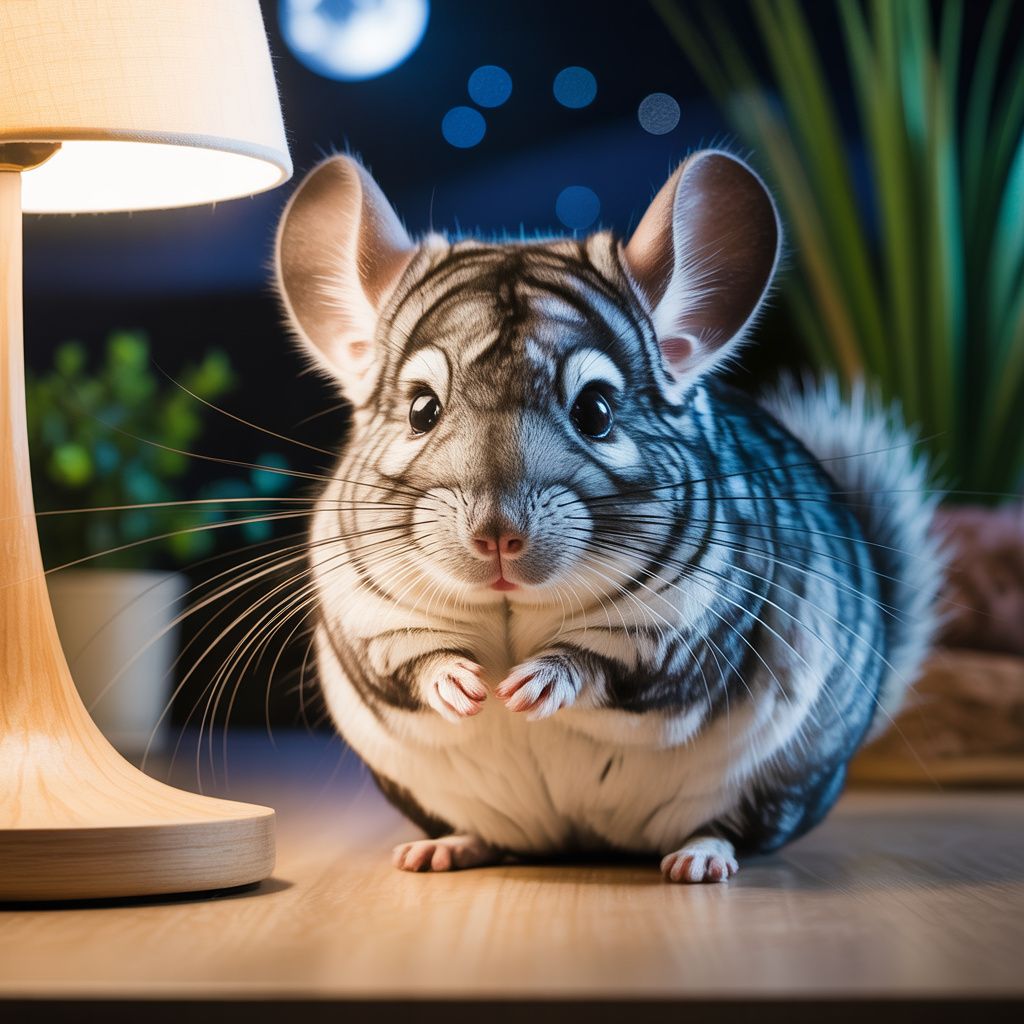
Understanding Nocturnal Nature in Chinchillas
Chinchillas are fascinating little creatures with unique behaviors that set them apart from many other pets. One of the most defining traits of chinchillas is their nocturnal nature. This means they are most active during the night and tend to sleep or rest during the day. Understanding this behavior is key to providing a happy and healthy environment for your chinchilla, as it directly impacts their daily routine, interaction with you, and overall well-being.
Native to the Andes Mountains in South America, chinchillas evolved to be nocturnal as a survival mechanism to avoid predators and extreme daytime heat. In the wild, they emerge at dusk to forage for food and socialize under the cover of darkness. As pets, they retain this instinctual behavior, often becoming lively and playful in the evening hours while remaining quiet or sleepy during the day. If you’re a night owl, this can be a delightful trait, but it may require some adjustment if you’re used to daytime pet interactions.
How Nocturnal Behavior Affects Daily Care
Since chinchillas are most active from late evening to early morning—typically between 7 PM and 5 AM—their schedule might not align with yours. You’ll likely notice them sleeping in their hideouts or curled up in a cozy spot during the day, only to hear them hopping, chewing, or exploring their cage as the sun sets. This doesn’t mean they’re completely inactive during the day; chinchillas may have short bursts of activity, but their peak energy comes at night.
This behavior influences several aspects of care. For instance, feeding and playtime are best scheduled in the evening when your chinchilla is awake and alert. Offering fresh hay, a small portion of pellets (about 1-2 tablespoons daily), and occasional treats during these hours aligns with their natural rhythm. Additionally, if you’re planning to let them out for exercise, aim for a 1-2 hour session in the evening in a secure, chinchilla-proofed space. Be mindful that sudden daytime disturbances, like loud noises or handling, can stress them out since they’re likely resting.
Practical Tips for Managing Nocturnal Behavior
Adapting to your chinchilla’s nocturnal nature doesn’t have to be challenging. Here are some practical tips to ensure both you and your pet thrive:
- Create a Quiet Daytime Environment: Place their cage in a calm, low-traffic area of your home to avoid disrupting their sleep. Dim lighting during the day can also help mimic their natural habitat.
- Schedule Interactions for Evening Hours: Plan bonding time, cage cleaning, or play sessions after dusk when they’re naturally active. This is when they’ll be most receptive to engagement.
- Provide Nighttime Enrichment: Keep them entertained during active hours with chew toys, wooden blocks, or a dust bath (offered 2-3 times a week for 10-15 minutes). These activities cater to their need to explore and groom.
- Be Patient with Noise: Chinchillas may make sounds at night as they hop around or chew on toys. If this bothers you, consider placing their cage away from your bedroom or using a white noise machine to mask the sounds.
- Respect Their Rest: Avoid waking them during the day for handling or play. Disrupting their sleep can lead to stress or health issues over time.
Building a Bond Despite Different Schedules
Even with their nocturnal habits, you can still build a strong relationship with your chinchilla. Spend consistent time with them during their active hours, speaking softly and offering treats to gain their trust. Over time, some chinchillas may slightly adjust their activity to match your evening routine, though they’ll never fully switch to a daytime schedule. Remember, patience is key—respecting their natural instincts will help them feel secure and loved in your home.
By understanding and accommodating their nocturnal nature, you’ll create a supportive environment where your chinchilla can flourish. Embrace their nighttime antics as part of their charm, and enjoy the special moments of connection during their most energetic hours!